
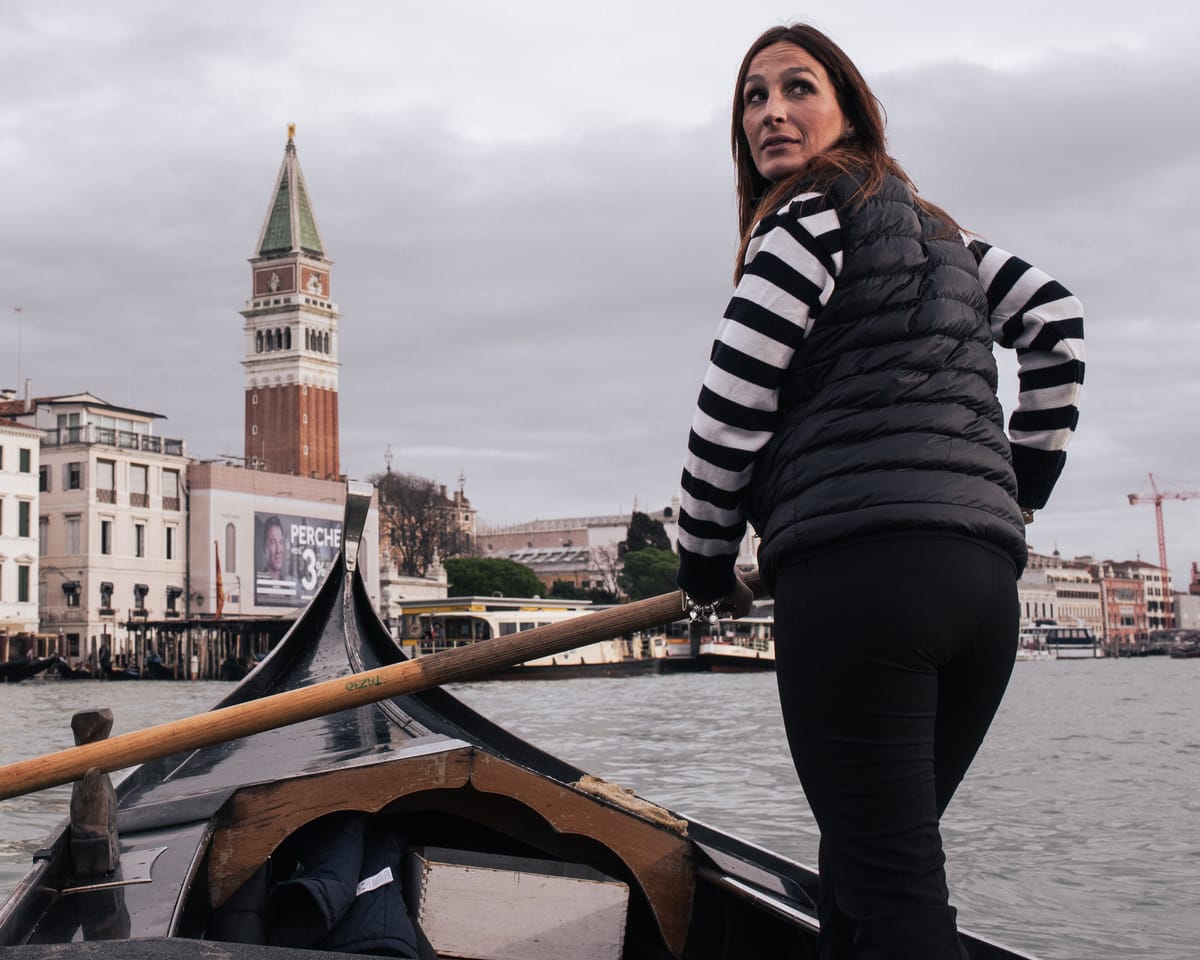
Venice is a city of tradition and projection, a place feeding the imagination of millions of people arriving from elsewhere. The "impossible city", suspended on water, often appears unchanged, fixed in time. Yet, like the water that carries it, the city is in constant, subtle transformation.
We often speak of Venice as if it were immobile. We call it timeless, suspended outside history, untouched by change. But Venice is changing. It is fragile, exposed, under pressure. On one side, rising sea levels and increasingly unpredictable tides are reshaping the lagoon and threatening a delicate equilibrium. On the other, mass tourism continues to transform the city from within. Homes become short-term rentals, local businesses give way to visitor-oriented commerce, and residents leave the historic centre in steadily increasing numbers. The spaces left empty by those who move away are often filled by tourism itself, both a cause and a consequence of this transformation.
Yet beyond the dominant narratives of overtourism and climate breakdown, another, quieter transformation is taking place. Venice lies on contradictions – appearance and structure, illusion and rootedness. One of these tensions emerges in the role of women in shaping the city's identity. While many Venetian traditions are historically grounded in women's labour, from lace-making to textile work and other forms of craftsmanship, women have long been excluded from what in Venice constitutes public space: water.
In Venice, water functions as the street. The city is crossed by about 150 navigable canals, which remain its main routes for movement, work and social exchange. For centuries, these waterways have been spaces governed by explicit rules and implicit codes that largely excluded women. As in many other cities where women have historically been marginalised from the street, in Venice they have been marginalised from the water. From navigating boats, from professions such as gondoliera and sandolista, from boatbuilding and competitive rowing. Today, these boundaries are beginning to shift.
The journalist Anna Toniolo has lived with Venice her entire life, having been born and raised only a few kilometres from the city. This project grew from years of observing Venice and from a shared awareness, with photographer Daniela Sala, that some of the city's most vital spaces remain inaccessible to women – not through formal prohibition, but through traditions deeply embedded in everyday life. Between November 2025 and March 2026, they spent weeks documenting the experiences of women whose work and lives are closely connected to the lagoon, through field reporting, interviews and observation, seeking stories that challenge the dominant image of Venice.
The stories gathered in this project reveal how women are reclaiming space precisely through tradition, carrying forward skills and professions that have long defined Venetian identity while simultaneously reshaping them.
In 2010, Giorgia Boscolo became the first woman to obtain a gondolier licence, breaking a centuries-old barrier and opening the way for others. Today, women practising the profession are still few. According to fellow gondoliers, those actively working can be counted on the fingers of two hands, although more women have passed the qualification exam in recent years. There are about 440 licensed gondoliers in Venice, alongside approximately 200 substitutes – qualified gondoliers who have passed the exam but do not yet hold their own licence.
A similar profession is that of the sandolista, who rows a sandolo, a traditional flat-bottomed Venetian boat once widely used for everyday transport across the lagoon. Today, there are only about 20 sandolisti left, and just one of them is a woman: Chiara Curto.
In the city's remaining squeri – the traditional boatyards where wooden boats are built and repaired – Silvia Scaramuzza is the only female maestra d'ascia, or master boatbuilder. Other women are creating new paths into these spaces.
In 2020, Marta Canino founded "Fie a Manetta", a name that roughly translates as "Girls at Full Speed", while also evoking the image of women taking the helm. It is the first, and still the only, motorboat navigation school in Venice run by women and open to everyone.
The idea grew from the awareness that navigation remains a predominantly male environment. "Girls, we need to start recognising each other and giving social value and political weight to our role in this city," Canino said.
Slowly, and often without proclamation, women are entering and inhabiting Venice's public spaces through practice. Their presence does not simply occupy the water, but begins to redefine it.
Read next
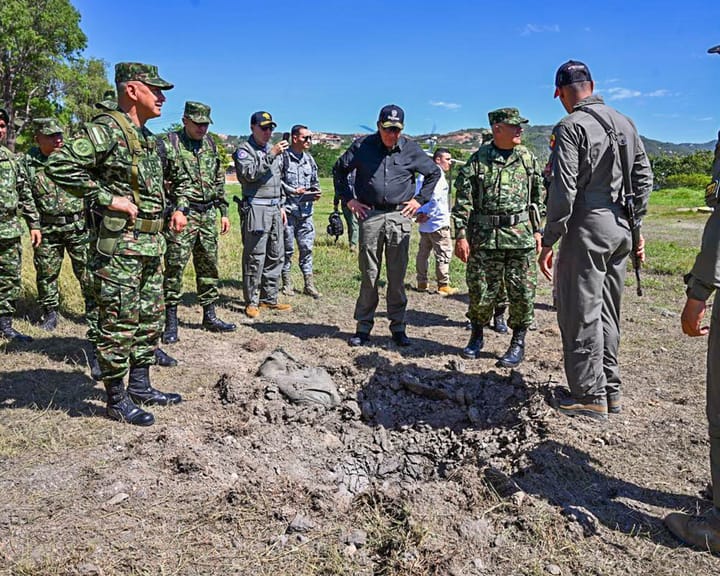
Guerrilla drone strike kills at least three soldiers in Colombia
Drone-Dropped Explosives and Subsequent Raid on Military Base in Northeastern Colombia Leave Three Soldiers Dead, Four Wounded
Colombia's army reported on Saturday that an attack involving explosives delivered by drones, followed by a ground assault on a military compound in the northeastern region of the country, killed
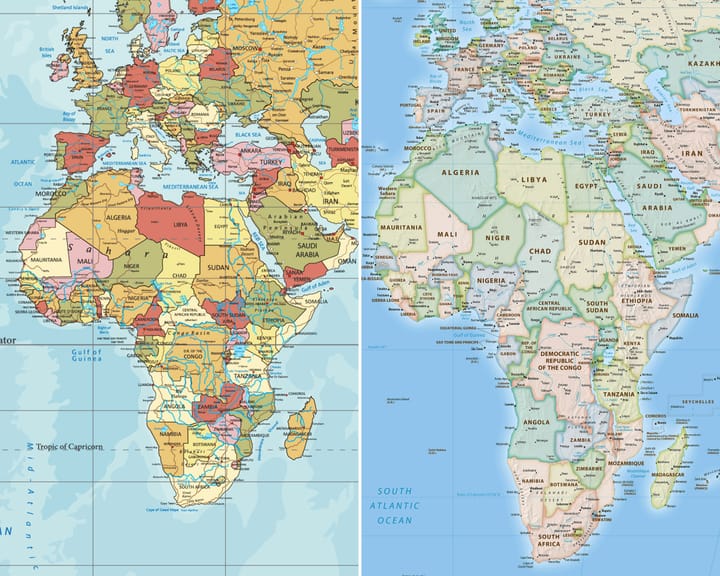
World Map Reform: UN Backs Redesign Accurately Depicting Africa’s True Size
The United Nations has approved a resolution calling for the world to formally phase out the traditional Mercator map of the globe in favour of one that more accurately displays Africa’s size.
During a session at its headquarters in New York, the UN general assembly officially retired the 16th-
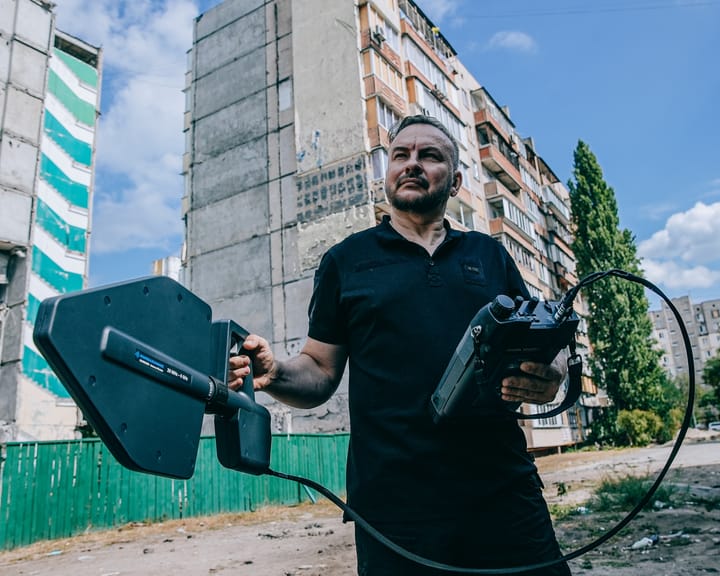
Zelenskyy adviser: mutual destruction inevitable if war with Russia continues
Russia and Ukraine are caught in an escalating war of long-range strikes that poses a growing risk to civilians, in which neither side can fully prevail, according to Volodymyr Zelenskyy’s defence technology adviser.
Serhii Beskrestnov, widely known by his call sign Flash, expressed concern about the prospects for