
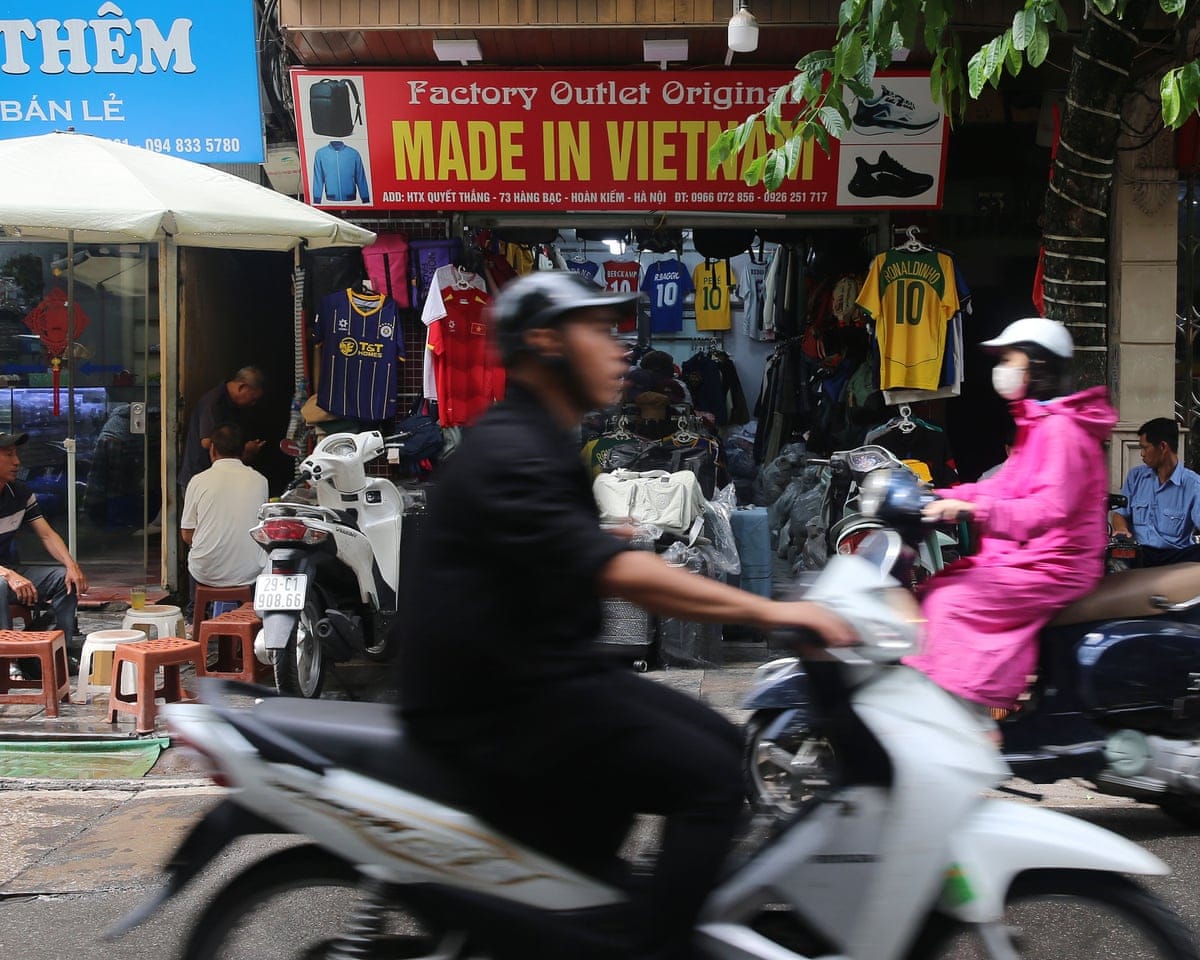
As reports emerged that Vietnam would become the second country to reach a preliminary tariff agreement with the U.S., shares in apparel firms and manufacturers with significant operations in the country initially rose on optimism.
However, hours later, those gains sharply reversed as concerns grew over potential complications in the deal’s specifics, with indications that its most notable provisions might actually target Vietnam’s influential neighbor, China.
Rather than facing the steep 46% tariffs previously proposed in April, Vietnam will instead be subject to a 20% tariff on many goods, while American imports entering Vietnam will now enjoy zero tariffs.
A 40% tariff, however, will remain in place for so-called transshipments—a measure directed at Chinese firms accused of rerouting their goods through Vietnam or other countries to evade U.S. tariffs.
Some in business circles express concern that the definition of "transshipment" is politically charged, warning that an overly broad interpretation could unjustly affect legitimate trade.
“Vietnam serves as a production center, sourcing materials from various countries, adding value, and then exporting finished goods,” said Dr. Nguyen Khac Giang, a researcher at the ISEAS Yusof Ishak Institute.
He noted that, outside of agricultural goods, few Vietnamese products are made entirely within the country, raising the question of what portion of a product must be domestically sourced to avoid tariffs.
How transshipments will be defined—and how enforcement will work—remains unclear, but the policy could have far-reaching effects on international trade and U.S.-China relations.
“This demonstrates that the U.S. is leveraging such agreements to exert pressure on China,” commented Stephen Olson, a former U.S. trade official.
Vietnam's expanding manufacturing sector saw growth during the previous U.S. administration when tariffs on China led many businesses to relocate parts of their supply chains.
But this shift also widened Vietnam’s trade surplus with the U.S., drawing criticism and accusations that the country was enabling Chinese firms to bypass U.S. trade barriers.
China’s commerce ministry spokesperson He Yongqian addressed the U.S.-Vietnam agreement, saying, “We oppose any agreement that undermines China’s interests and will take necessary measures to protect our rights.”
Vietnam’s industrial sector is deeply connected to both the U.S. and China. Exports to the U.S. make up nearly a third of Vietnam’s GDP, while China remains its largest source of imported materials for products ranging from shoes to electronics.
Vietnam joins many nations in depending on China for essential components, particularly in electronics. “China is deeply embedded in global supply chains,” said Dan Martin, an international business consultant at Dezan Shira and Associates.
Read next
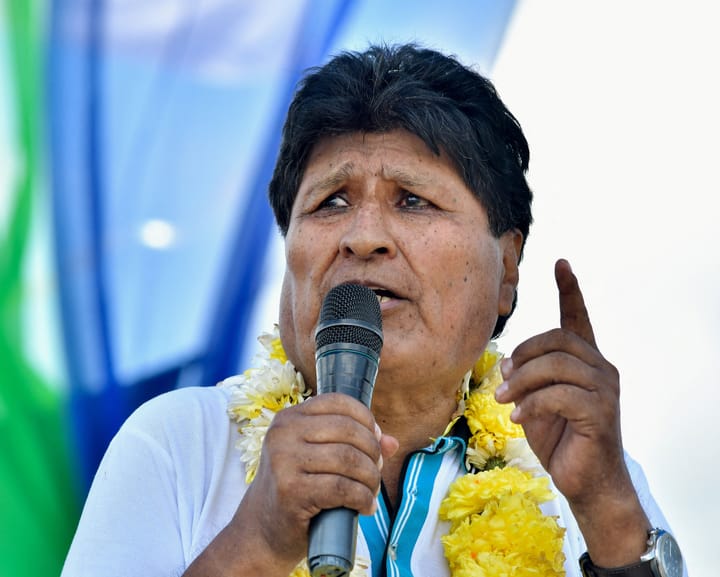
Bolivia Probes Ex-President Evo Morales for Suspected Involvement in 2009 Killings
The Bolivian attorney general has initiated an investigation into former leftist president Evo Morales, citing allegations of his involvement in the murder and torture of European nationals in 2009.
In 2009, police conducted a raid on a Santa Cruz hotel, resulting in the deaths of Eduardo Rózsa Flores, a Bolivian-

Argentina Closes Iguazu Falls Temporarily Due to El Niño-Induced Water Surge
Heavy rainfall driven by a potent El Niño weather pattern temporarily led Argentinian authorities to close tourist access to the renowned Iguazu Falls. The closure occurred due to concerns that rising water levels might cause the river to overflow its banks.
On Monday, national park officials implemented this precautionary measure
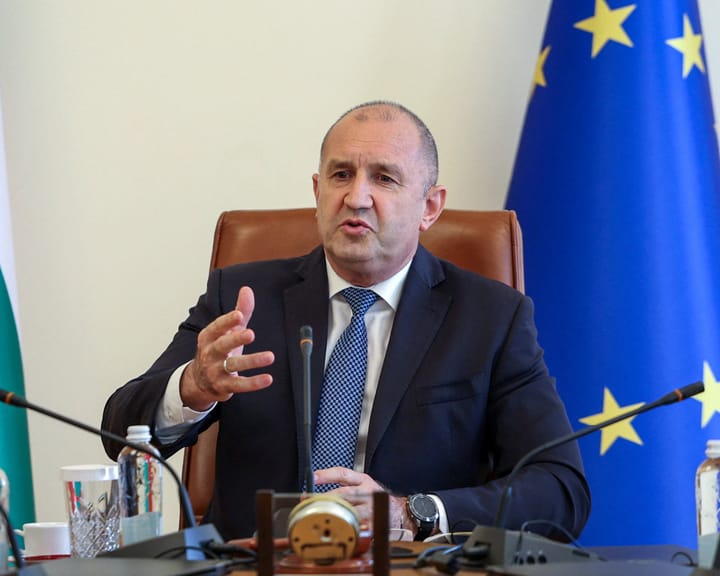
Mysterious Drones Strike Two Vessels Near Bulgarian Coast – Europe Live
Morning Update: Two Ships Targeted by Drones Off Bulgarian Coast
This morning, two ships in the Black Sea near Bulgaria were struck by drones of unknown origin. The attack led to the sinking of one vessel and initiated emergency rescue operations, as reported by Bulgarian Prime Minister Rumen Radev. Rescue