
Volkswagen Nears Tariff Agreement with the US as It Targets Affordable Electric Cars in Europe
The head of Volkswagen has stated that the company is close to reaching a tariff agreement with the US, while also focusing on the market for reasonably priced electric vehicles in Europe.
Europe’s largest automaker, which includes brands such as Audi, Seat, and Porsche, has faced significant financial strain due to trade measures imposed by the US earlier this year. The combination of these levies and market instability has resulted in losses amounting to "several billion," according to CEO Oliver Blume.
Although the US administration has proposed reducing tariffs on European automobiles and components from 27.5% to 15%, Blume noted that even this lower rate would still pose challenges for Volkswagen. In an interview with Bloomberg TV, he emphasized the company's discontent with the uneven trade relationship between the US and Europe, stating it distorts competition.
To address this, Volkswagen has planned substantial investments in the US, aiming to secure a separate agreement that could further reduce its tariff obligations. Blume added that the company is in discussions with US officials and hopes for a swift resolution.
During a recent event in Munich, Blume mentioned that Volkswagen might localize Audi production in the US or increase exports from there. He also highlighted the financial strain on Porsche, caught between tariffs and a slowdown in Chinese demand. Unlike other German automakers, Porsche’s US-bound vehicles are largely produced in Germany, making them more vulnerable to trade measures.
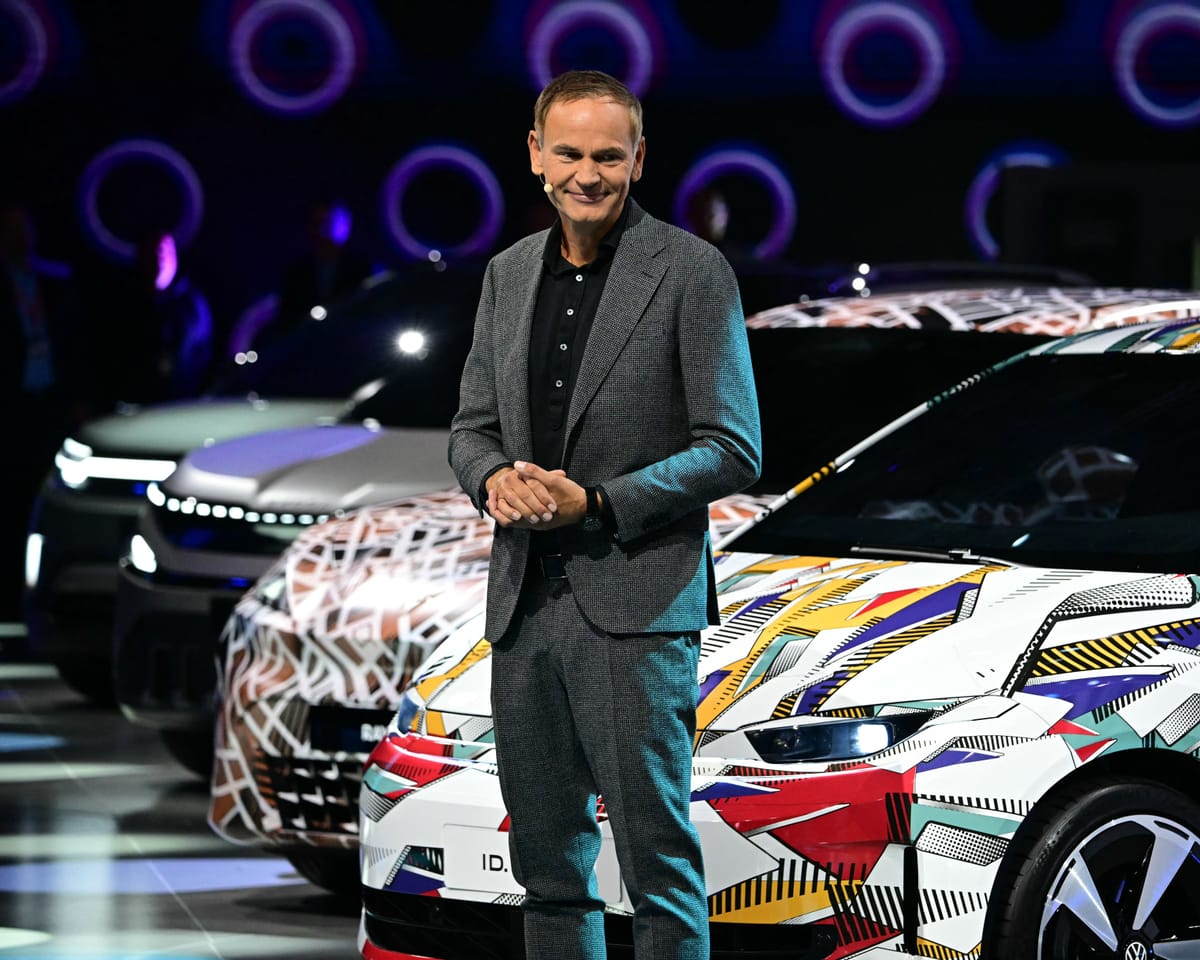
At the same event, Volkswagen unveiled plans for a new compact electric vehicle, aiming to secure a significant share of Europe’s small electric car market. Blume described the model as affordable and designed to make electric mobility accessible.
Meanwhile, competitor BMW announced a China-specific version of its iX3 SUV, set for launch in 2026. BMW’s sales chief, Jochen Goller, confirmed that while the interior display will mirror the European model, the software will be adjusted for local preferences.
The ongoing trade dispute has caused disruptions across the industry, with Lotus, a UK-based sports car manufacturer under Chinese ownership, attributing 550 job cuts partly to tariff-related instability.
Read next
Jaguar Land Rover suppliers voice ‘everything is against us’ amid cutbacks
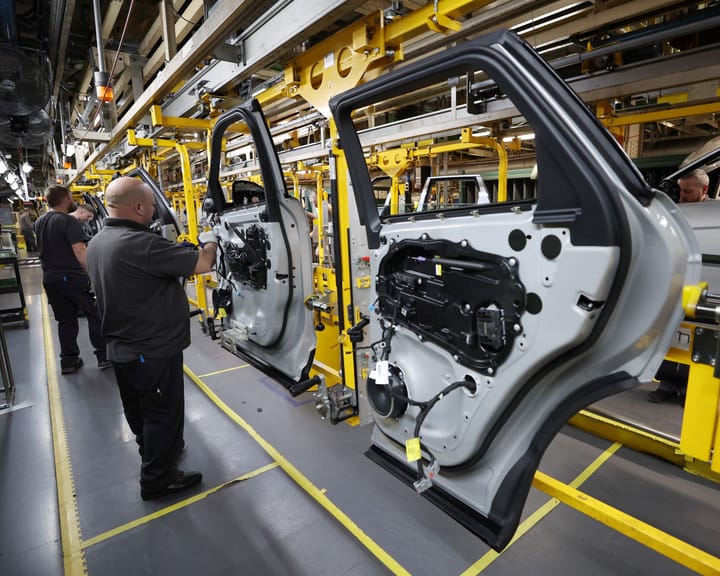
David Roberts, chair of Coventry-based Evtec, says the outlook for Britain’s automotive sector is grim, with “everything against us.” Evtec is a tier 1 supplier to Jaguar Land Rover, which this week announced 4,000 job cuts over two years despite chancellor John Healey’s attempt to talk
Europe’s fighter jet plans in disarray: what comes next?
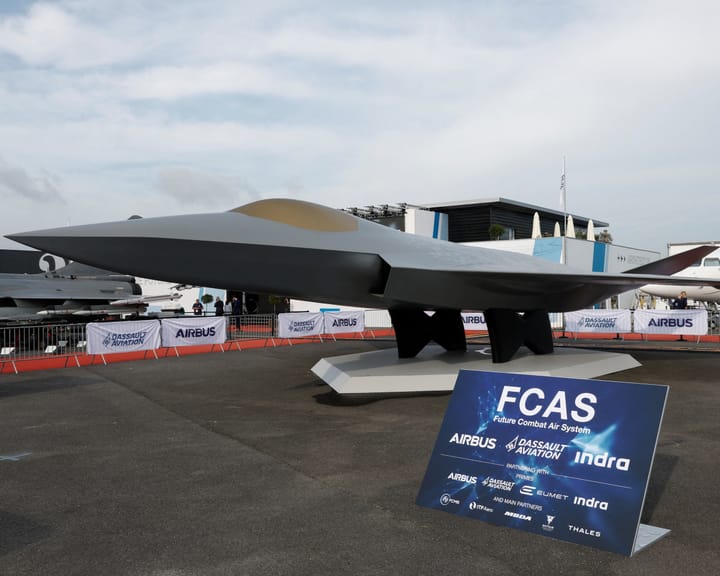
When former ECB president and Italian PM Mario Draghi urged Europe to catch up economically with the US and China, defence collaboration was prescribed. No more should each nation build independent boats, tanks or jets; allies should share costs and technologies.
Europe stumbled at the first hurdle. German Chancellor Friedrich
John Healey supports growth but insists Labour must be truthful about spending
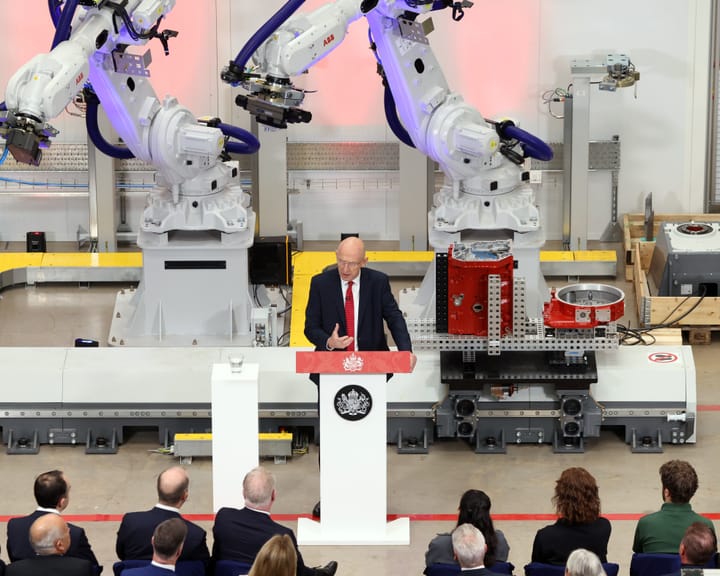
John Healey has stated that his primary goal as chancellor will be to boost economic growth, while acknowledging that Labour must be straightforward about controlling public spending at next month's budget.
In his first major address since assuming the role in July, Healey said the leading focus of