
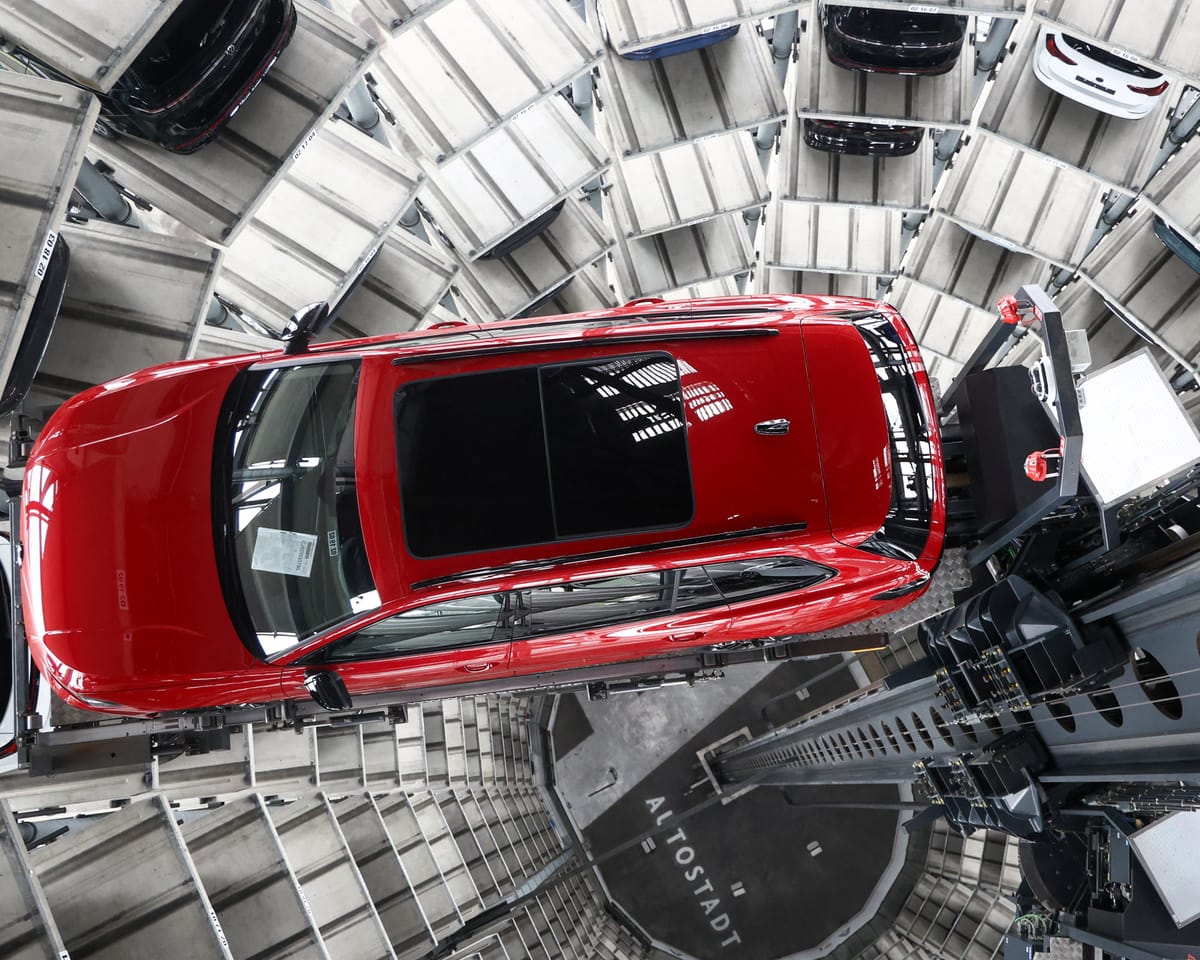
Volkswagen Reports €1.3bn Loss Due to US Import Tariffs
The German automaker Volkswagen has stated that import tariffs imposed by Donald Trump’s administration cost it €1.3bn (£1.13bn) in the first half of the year. The company, which is reviewing plans to reduce its workforce by 35,000 by 2030, cited the tariffs as a major factor in its lower operating results.
Volkswagen has also adjusted its projected profit margin to between 4% and 5% for the year, assuming U.S. tariffs remain between 10% and the current 27.5%. The company owns brands such as Audi, Seat, Skoda, Lamborghini, Bentley, and commercial vehicle manufacturer Scania.
The financial impact reinforces calls by German officials for Trump to agree to a tariff deal with concessions for European automakers. Earlier this week, Stellantis, which produces Vauxhall vehicles, reported a €300m loss due to the tariffs. Similarly, Volvo, owned by a Chinese firm, suspended sales of certain models in the U.S. and saw a significant decline in revenue in the second quarter.
According to the VDA automotive association, German car exports to the U.S. dropped by 13% in April and 25% in May compared to the same months last year, with only 64,300 vehicles shipped during the two-month period. Before Trump's return to office, the U.S. imposed a 2.5% tariff on European cars, while the EU had a 10% duty on American imports.
Håkan Samuelsson, Volvo’s chief executive, recently urged the EU to eliminate its 10% tariff, calling it unnecessary to facilitate negotiations with the U.S. However, the EU is nearing a broader agreement with the U.S. that would set a 15% tariff on most goods, excluding special exemptions for the automotive sector, if finalized before Trump’s 1 August deadline.
While EU officials believe a deal is possible, Trump is not expected to sign any immediate orders as he begins a private visit to his golf resorts in Scotland.
In a separate development, Puma’s shares fell over 18% on Friday after warning that U.S. trade tariffs could reduce its gross profit by €80m this year, leading to an adjusted loss before interest and taxes. Many sportswear companies face increased costs due to reliance on manufacturing in China, Vietnam, Cambodia, and Bangladesh.
Read next
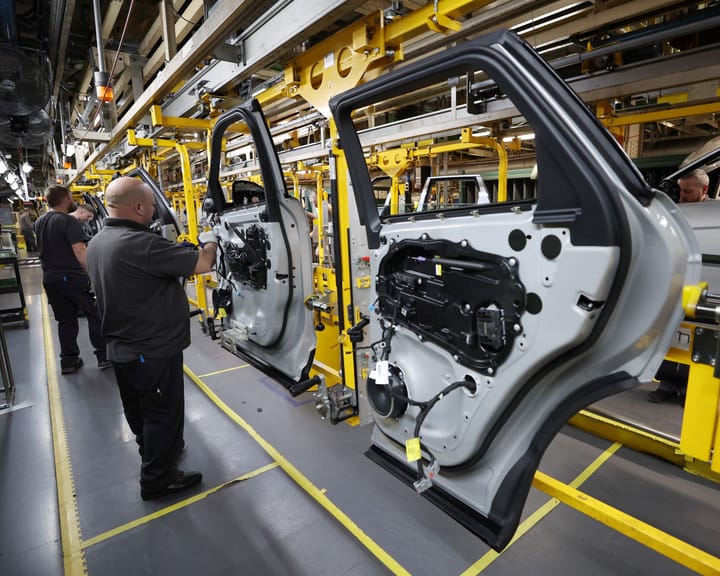
Jaguar Land Rover suppliers voice ‘everything is against us’ amid cutbacks
David Roberts, chair of Coventry-based Evtec, says the outlook for Britain’s automotive sector is grim, with “everything against us.” Evtec is a tier 1 supplier to Jaguar Land Rover, which this week announced 4,000 job cuts over two years despite chancellor John Healey’s attempt to talk
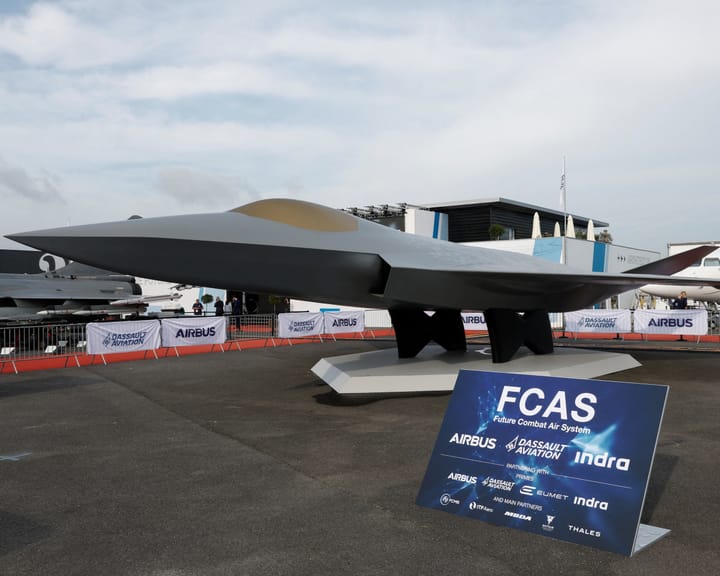
Europe’s fighter jet plans in disarray: what comes next?
When former ECB president and Italian PM Mario Draghi urged Europe to catch up economically with the US and China, defence collaboration was prescribed. No more should each nation build independent boats, tanks or jets; allies should share costs and technologies.
Europe stumbled at the first hurdle. German Chancellor Friedrich
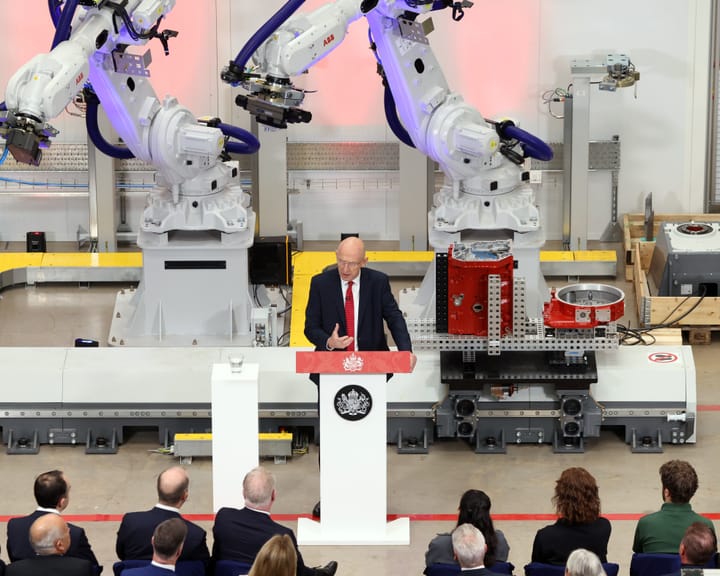
John Healey supports growth but insists Labour must be truthful about spending
John Healey has stated that his primary goal as chancellor will be to boost economic growth, while acknowledging that Labour must be straightforward about controlling public spending at next month's budget.
In his first major address since assuming the role in July, Healey said the leading focus of