
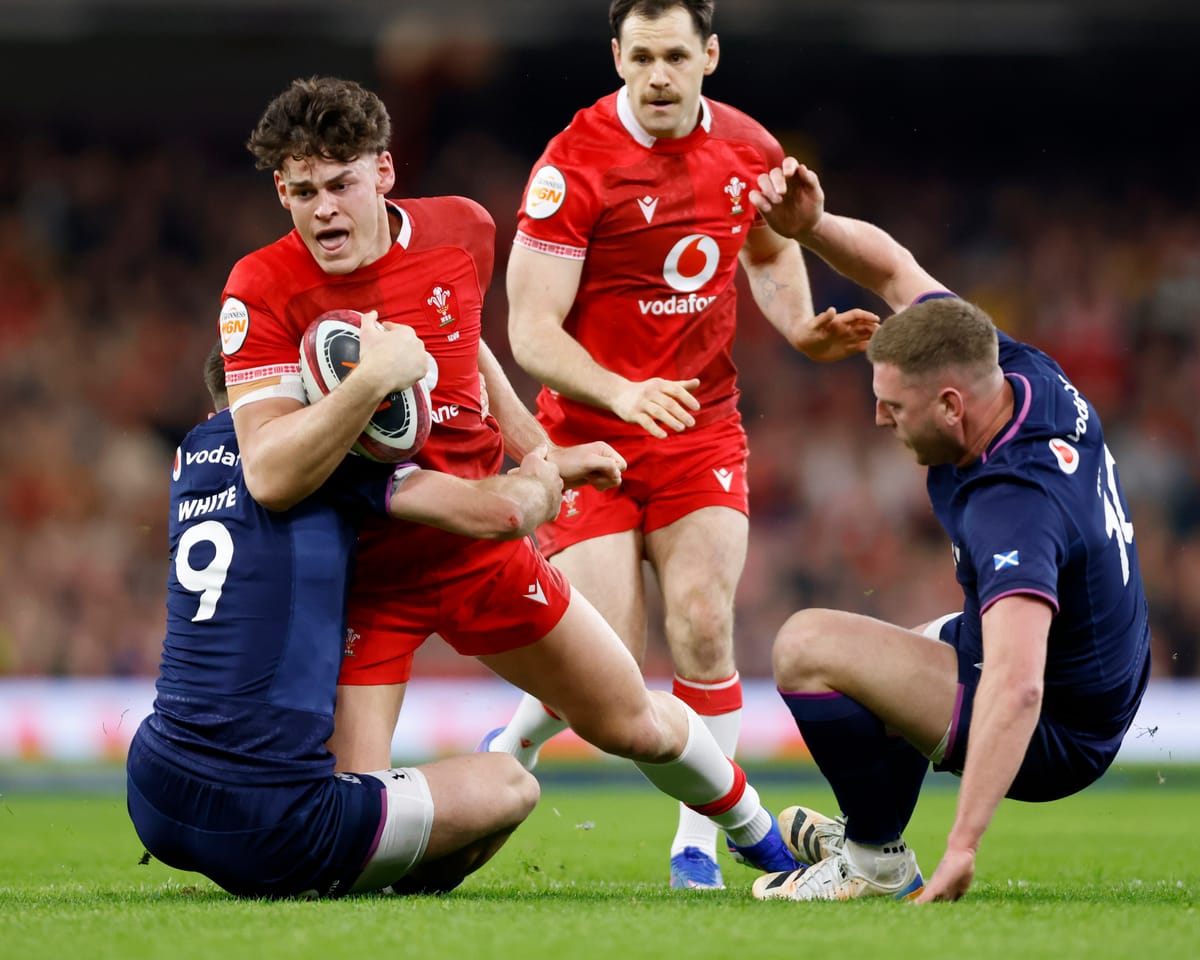
It is hard to imagine that Steve Tandy reached his current position in coaching without at some point speaking about the pleasure of playing without extra weight. Over the years, between club duties and international assignments, he has likely reminded his squad that the men waiting in the tunnel will shoulder the pressure, leaving the players with one less worry. That awareness brings a certain ease. The point is not the carefree sprint around the field or spotting familiar faces in a Six Nations crowd, but rather the benefit of being freed from the burden of expectation.
For Wales this relief has come at a cost. Drawing on emotional reserves across fourteen championship matches, each ending in disappointment, exacts a heavy toll. Such a price prompts questions about the overall worth of the effort. In that context, unity becomes essential if the team hopes to shift the balance, even marginally.
Former Munster and Ireland scrum‑half Stephen McIvor, now a sports psychologist who works with high‑performance groups, believes this is where Wales can begin. “The fact is that humans perform better when they feel connected, and if you are Steve Tandy you are stressing that to your players,” he explains. “It is vital for Wales that their coach removes the baggage, but it is equally important that he lowers the expectations.”
“It is curious that from the professional ranks down to under‑12s, coaches constantly tell their players how crucial a win is. The truth is that we all want to win – we do not need it repeated. Why cloud the importance of teamwork, of standing together, by fixating on the result?”
The most obvious advantage they have before Tandy speaks is the time spent together in camp. The Welsh side has been under his guidance for most of the past five weeks. That is not a unique edge over their rivals, yet when a team starts from a very low point, the impact can be far more noticeable.
They have moved from a dismal finish to November to a side that lost a Six Nations match against Scotland due to a contentious refereeing decision. In that period they cannot conjure the depth of talent required to become genuine contenders, but they can appear respectable. For Wales, that progress has taken them only as far as the opposition’s 22, where they still struggle to finish matches.
It would be easy for Tandy to quote a remark from across the Irish Sea as an insult. Instead, the challenge lies in facing a team that, only weeks ago, was dealing with post‑test fatigue after a heavy loss to France, yet now refuses to take Wales seriously.
“The siege mentality is as old as the hills and persists because it works,” McIvor notes. “It cannot be the sole basis of your game plan, but never underestimate the strength of a true band of brothers.”
Read next

Lewis Hamilton aims to race in an African Grand Prix before retiring.
Lewis Hamilton has urged a campaign to “reclaim Africa”, arguing that the continent remains under the sway of European nations. On the night before the new Formula One season begins in Melbourne, the seven‑time champion outlined his desire to see a Grand Prix staged on African ground.
The 41‑
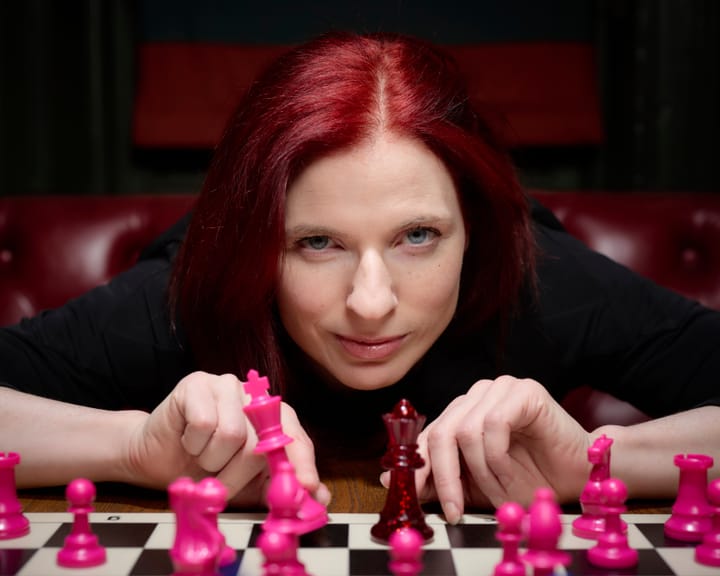
Jennifer Shahade: Chess Has a Deep-Rooted History of Abuse
On 15 February 2023, Jennifer Shahade steadied herself and posted “Time’s up” atop an extensive statement concerning accusations of sexual abuse within the insular realm of professional chess. She understood the weight of her words, yet she did not anticipate the online post to spread rapidly and alter her
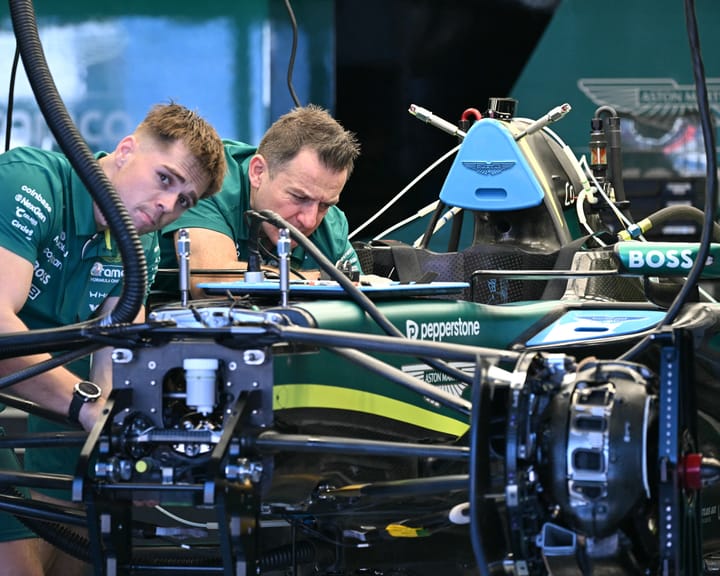
Aston Martin warns nerve damage could stop its F1 team from completing the Australian GP
Aston Martin have confirmed that Fernando Alonso and Lance Stroll will be unable to finish even half the distance at the opening Australian Grand Prix this weekend, fearing lasting nerve injury because of a vibration issue with their car.
Team boss Adrian Newey – also the designer of the new chassis