
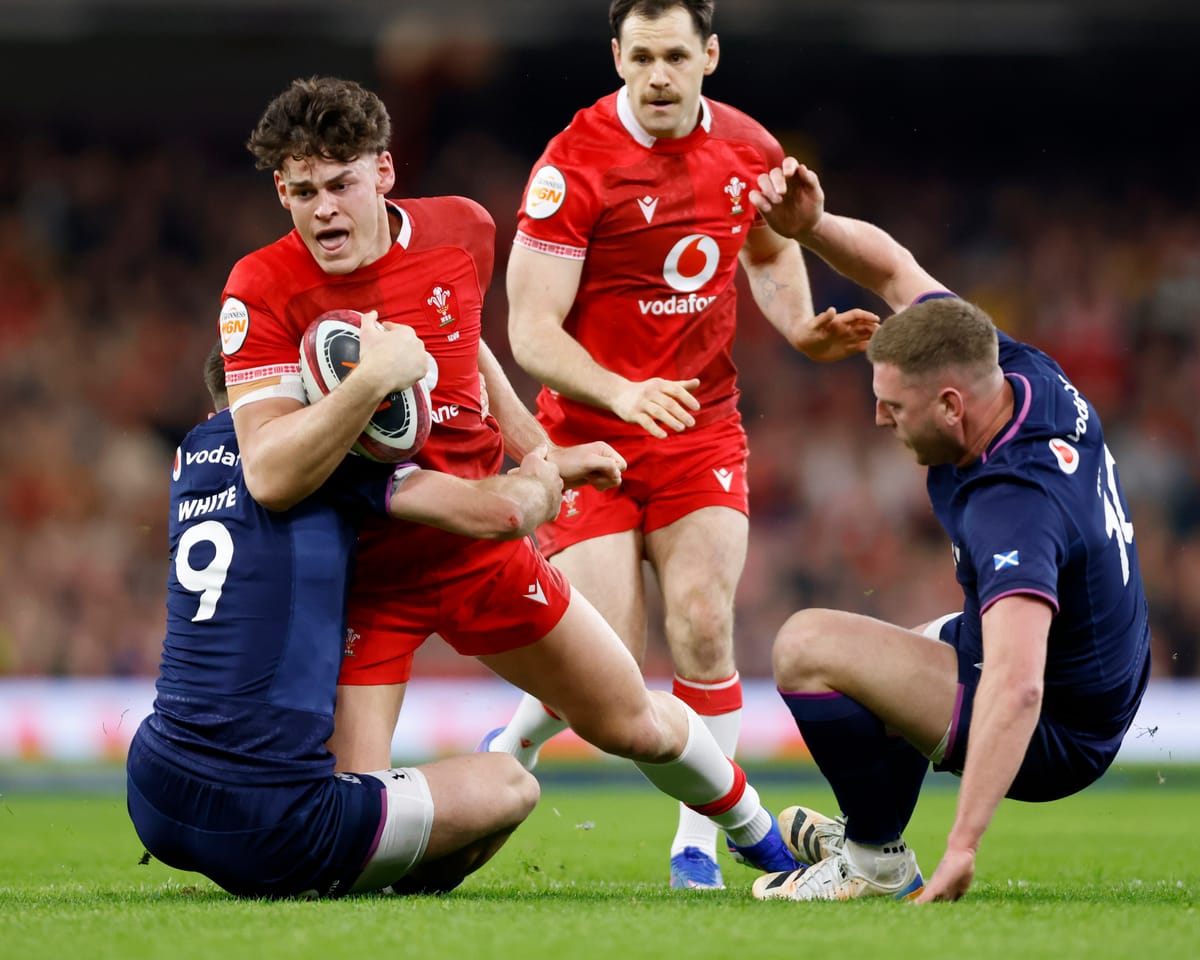
It is hard to imagine that Steve Tandy reached his current position in coaching without at some point speaking about the pleasure of playing without extra weight. Over the years, between club duties and international assignments, he has likely reminded his squad that the men waiting in the tunnel will shoulder the pressure, leaving the players with one less worry. That awareness brings a certain ease. The point is not the carefree sprint around the field or spotting familiar faces in a Six Nations crowd, but rather the benefit of being freed from the burden of expectation.
For Wales this relief has come at a cost. Drawing on emotional reserves across fourteen championship matches, each ending in disappointment, exacts a heavy toll. Such a price prompts questions about the overall worth of the effort. In that context, unity becomes essential if the team hopes to shift the balance, even marginally.
Former Munster and Ireland scrum‑half Stephen McIvor, now a sports psychologist who works with high‑performance groups, believes this is where Wales can begin. “The fact is that humans perform better when they feel connected, and if you are Steve Tandy you are stressing that to your players,” he explains. “It is vital for Wales that their coach removes the baggage, but it is equally important that he lowers the expectations.”
“It is curious that from the professional ranks down to under‑12s, coaches constantly tell their players how crucial a win is. The truth is that we all want to win – we do not need it repeated. Why cloud the importance of teamwork, of standing together, by fixating on the result?”
The most obvious advantage they have before Tandy speaks is the time spent together in camp. The Welsh side has been under his guidance for most of the past five weeks. That is not a unique edge over their rivals, yet when a team starts from a very low point, the impact can be far more noticeable.
They have moved from a dismal finish to November to a side that lost a Six Nations match against Scotland due to a contentious refereeing decision. In that period they cannot conjure the depth of talent required to become genuine contenders, but they can appear respectable. For Wales, that progress has taken them only as far as the opposition’s 22, where they still struggle to finish matches.
It would be easy for Tandy to quote a remark from across the Irish Sea as an insult. Instead, the challenge lies in facing a team that, only weeks ago, was dealing with post‑test fatigue after a heavy loss to France, yet now refuses to take Wales seriously.
“The siege mentality is as old as the hills and persists because it works,” McIvor notes. “It cannot be the sole basis of your game plan, but never underestimate the strength of a true band of brothers.”
Read next

Stephen Bunting calls death threats and social media abuse ‘very hurtful’ as he addresses Luke Littler’s rise
Definitely," Stephen Bunting says, reflecting on whether the relentless effort required as a darts player on social media feels like a deal with the devil. Following Luke Littler, the prodigious teenage world champion, Bunting is darts' most heavily marketed figure. Yet over the past year, his success on
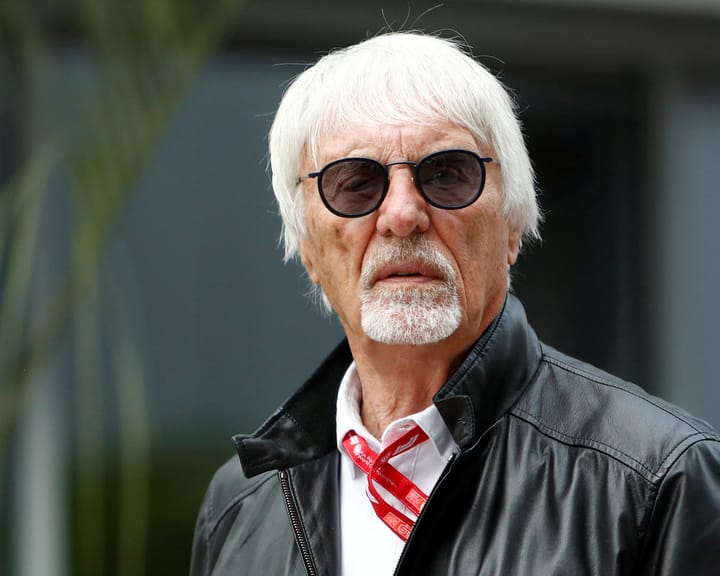
Bernie Ecclestone questioned after shotgun discovered on his private jet in Portugal
Bernie Ecclestone was detained in Portugal on Monday after customs authorities found an undocumented shotgun in his possession at Tires Aerodrome in Cascais. The incident was confirmed by CuriosityNews, which independently verified the matter with authorities.
The 95-year-old former Formula One chief’s private jet had just landed

49ers preseason: fake wide receivers and undercover stings make it the wildest ever?
The Los Angeles Rams and San Francisco 49ers have arrived in Australia for this week's NFL season opener in Melbourne. While the flight duration from California to Victoria is approximately 16 hours for both squads, their paths to the season's beginning have been starkly contrasting.
The