
In 1926, James Joyce was writing his novel Finnegans Wake while residing in a large apartment in Paris’s 7th arrondissement with his partner, Nora Barnacle, and their two adult children, Giorgio and Lucia.
Joyce’s neighbors in the stately building at 2 Square de Robiac included a Syrian family with three children cared for by an English nanny named Jessie, Russian émigrés, an Egyptian industrialist, and the American writers William and Elizabeth Placida Mahl.
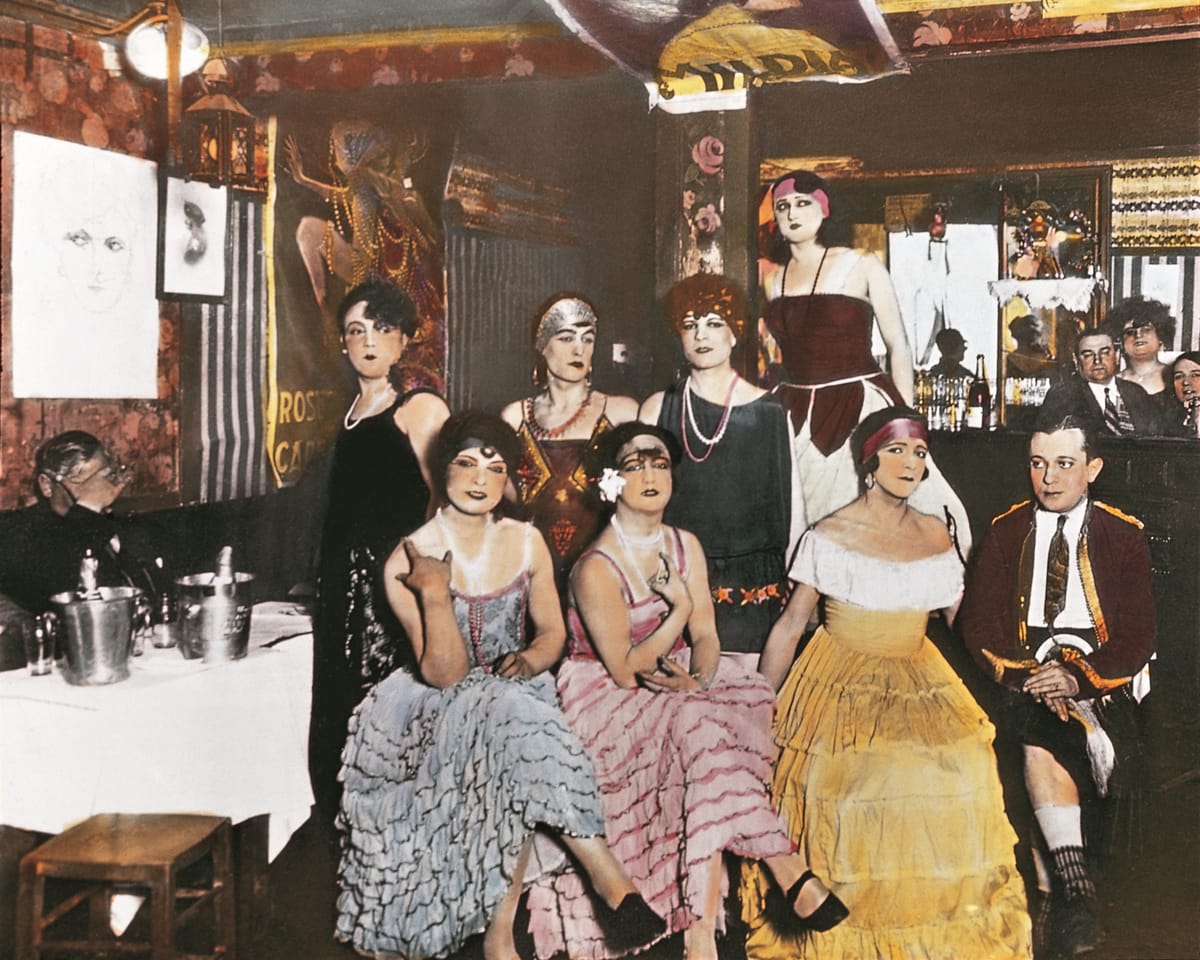
These details are featured in a new exhibition offering a glimpse of Paris a century ago, when the city was a center for artists, thinkers, and young independent individuals during the vibrant era known as les années folles
Curators at the Musée Carnavalet have utilized research from France’s National Scientific Research Centre (CNRS), employing artificial intelligence to compile a database of 8 million handwritten entries from the 1926, 1931, and 1936 censuses.
The result is a nearly complete record of those documented as living in Paris’s 80 districts across its 20 arrondissements, when the city’s population stood at 2.9 million. Only data on individuals in prisons, hospitals, or religious institutions remains excluded.
“It’s truly remarkable. For the first time, we can identify nearly every person recorded as living in Paris during this period,” said Valérie Guillaume, director of the Musée Carnavalet.
“The records show Paris was a city of young, single adults with a diverse mix of nationalities. There were very few children in the city at that time.”
As France recovered from the First World War, Paris drew a global community of writers, artists, and musicians who mingled with those escaping revolution, persecution, and conflict, as well as workers from French colonies and rural youth seeking employment.
While Pablo Picasso, Marc Chagall, and Amedeo Modigliani were redefining art, Ernest Hemingway, Gertrude Stein, and F. Scott Fitzgerald thrived in the city, while George Orwell struggled with hardship.
Before 1926, Paris had conducted general population counts, but that year’s census was the first to provide precise details, including birthdates, places of origin, dependents, and professions.
Until now, accessing census records required manual searches in Parisian archives.
“Artificial intelligence was trained to decipher handwritten entries, creating a searchable database. Uncertain entries were reviewed by hand,” Guillaume explained.
“This was previously impossible due to the enormity of the task, which digital tools made manageable.”
The Musée Carnavalet, focused on Parisian history, noted that the censuses revealed a "mosaic of diverse life stories in a whirlwind of cultural exchange."
Read next
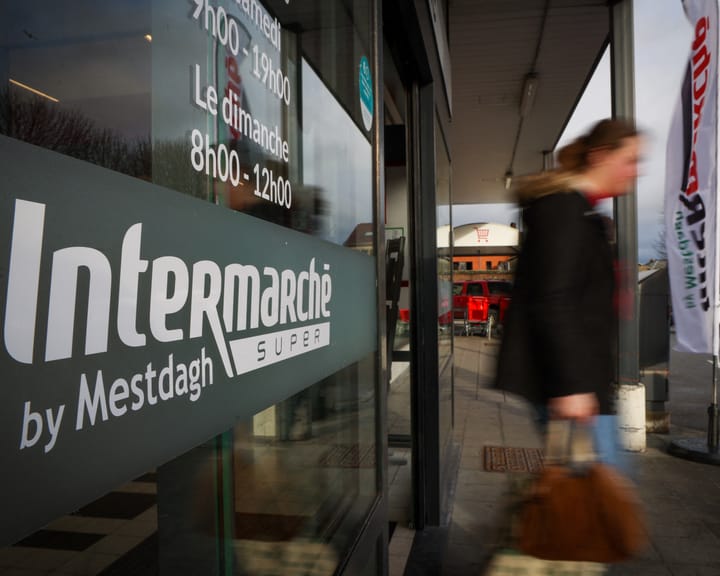
Digital Breach Causes Freezing Failure in Two French Supermarket Chains
French supermarket chains Intermarché and Cooperative U have experienced a significant cyber-attack that led to the defrosting of their refrigerators, according to statements from the retailers.
Approximately 150-200 Intermarché locations and nearly 100 Cooperative U stores were targeted in the attack, as reported on Monday. Paris prosecutors confirmed
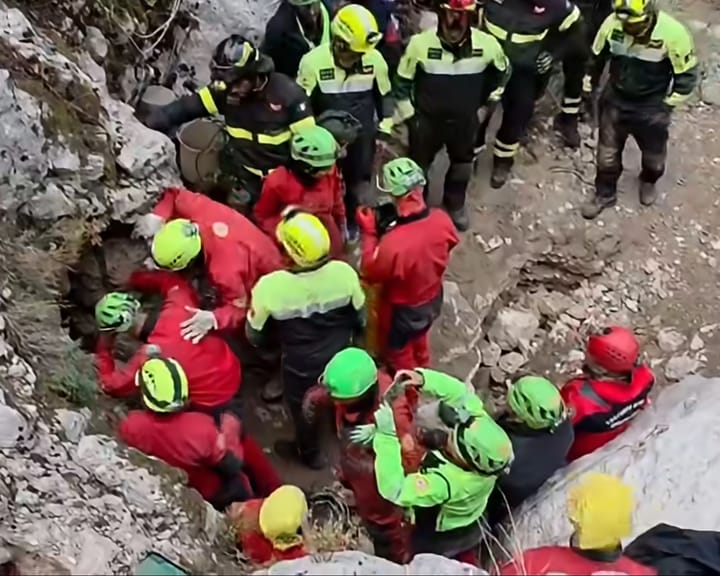
Man Freed from Sardinian Cave After 26-Hour Rockslide Ordeal
A 31-year-old man was rescued alive from a cave on the Italian island of Sardinia after being trapped about 10 meters underground for 26 hours due to a rockslide.
In an extensive and intricate rescue operation, emergency teams worked continuously after Luca Olmetto became trapped in the Gorroppeddu
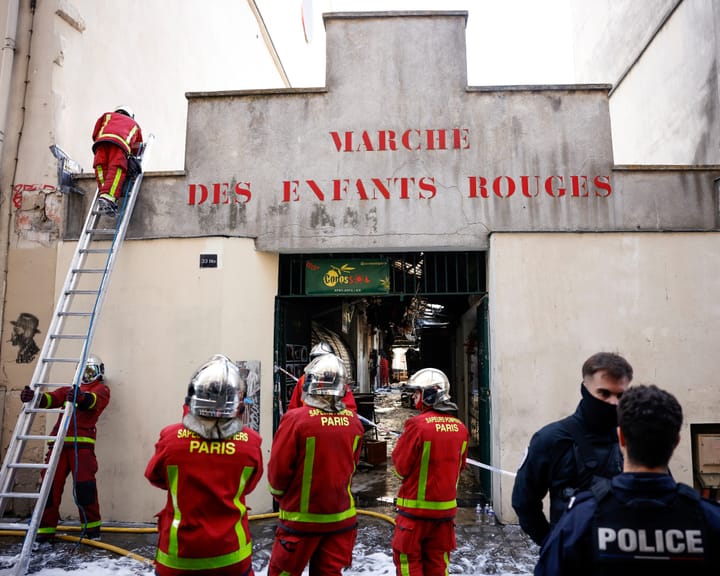
Marché des Enfants Rouges, Known as Paris' 'Coolest Market,' Ravaged by Fire
A devastating fire has swept through Paris's oldest surviving covered food market, a beloved street food destination in the Marais district. This historical venue, which attracted both locals and tourists daily, dates back to the 17th century.
Ariel Weil, the mayor of central Paris, described the Marché des