
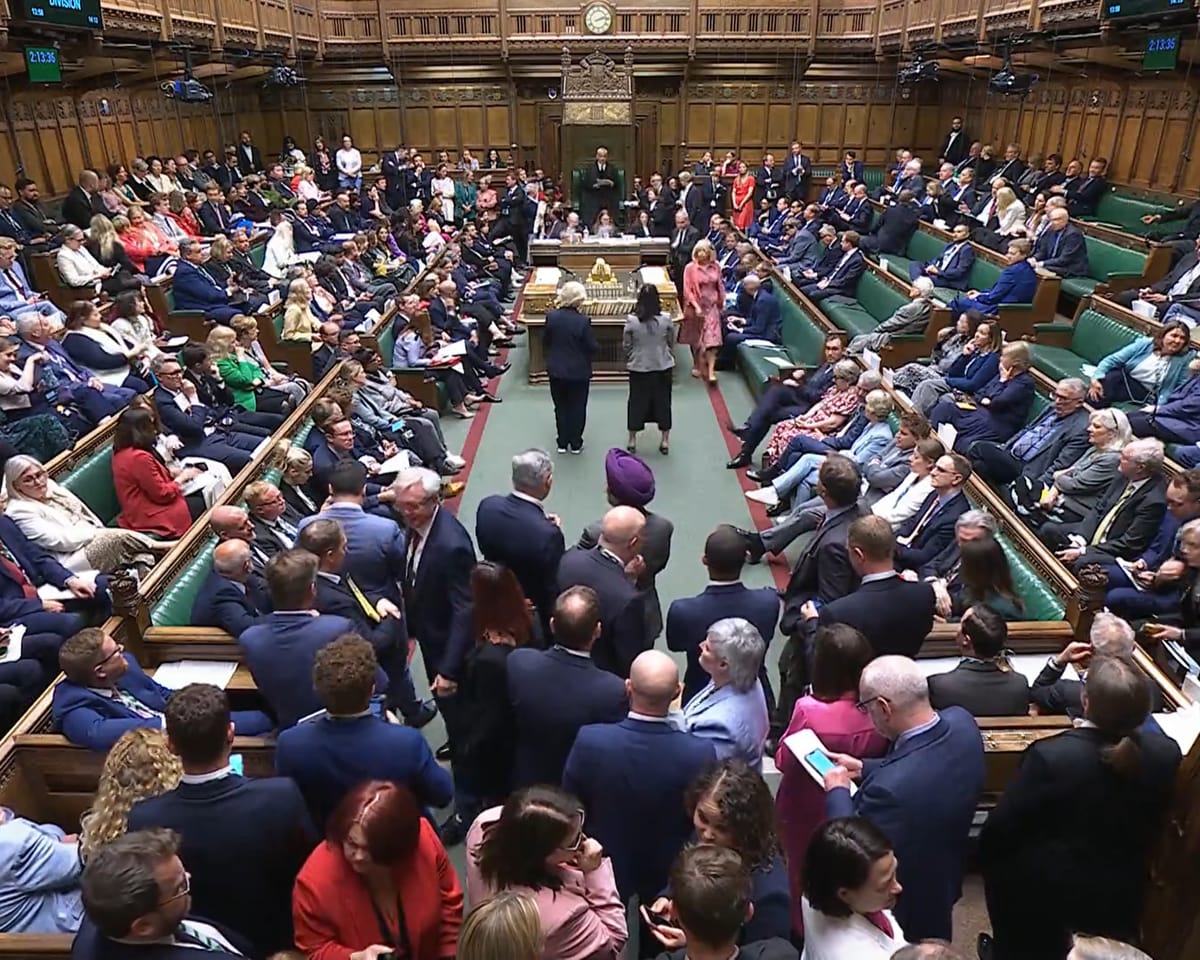
The basic annual remuneration for MPs is set to climb to £110,000, the parliamentary expenses regulator has announced, citing a rise in abuse, intimidation and expanding constituency duties.
From April, MPs’ base pay will increase by nearly £5,000 to £98,599 – a 5 % rise – and is projected to reach £110,000 by the close of the current parliament.
The Independent Parliamentary Standards Authority (Ipsa) said the figure had been compared with comparable positions in the public sector and with legislators in other democracies.
The authority granted an uplift that outpaces inflation – a 3.5 % rise for living costs plus an additional 1.5 % “benchmarking adjustment”.
“The MP role has changed,” said Ipsa chair Richard Lloyd. “Members now handle more complex casework than ever, driven by economic strain and both global and domestic events. Abuse and intimidation of MPs and their staff are also increasing, raising safety concerns.”
MPs do not set their own pay; Ipsa has determined salaries since the 2009 expenses scandal. The Taxpayers’ Alliance warned the increase would contrast sharply with pay trends in the private sector.
“Taxpayers will be angry to see politicians receive a pay rise that outstrips inflation while many face personal financial pressure,” the group said. “Politicians should not be shielded from the impact of their decisions. Their remuneration ought to reflect real living standards measured by GDP per capita.”
By the end of the parliamentary term, MPs’ earnings will cross the £100,000 mark for the first time – a tax bracket that has drawn scrutiny because it eliminates the personal allowance as well as tax‑free childcare and free childcare hours.
In the “£100k tax trap”, individuals whose income rises to between £100,000 and £125,140 can end up worse off, especially if they have children and lose childcare benefits – a situation now likely to affect several MPs with young families.
Ipsa said it will, in future years, “take prevailing economic and fiscal conditions into account when confirming annual pay decisions for MPs, considering the experience of people outside parliament”.
A recent survey for a speakers’ conference on MP abuse found that 96 % of MPs and 69 % of their staff reported experiencing at least one form of abuse in their roles.
Around one‑third of the MPs surveyed said they had thought about not standing for re‑election, and one‑sixth had contemplated resigning from public office because of the abuse they faced.
Read next
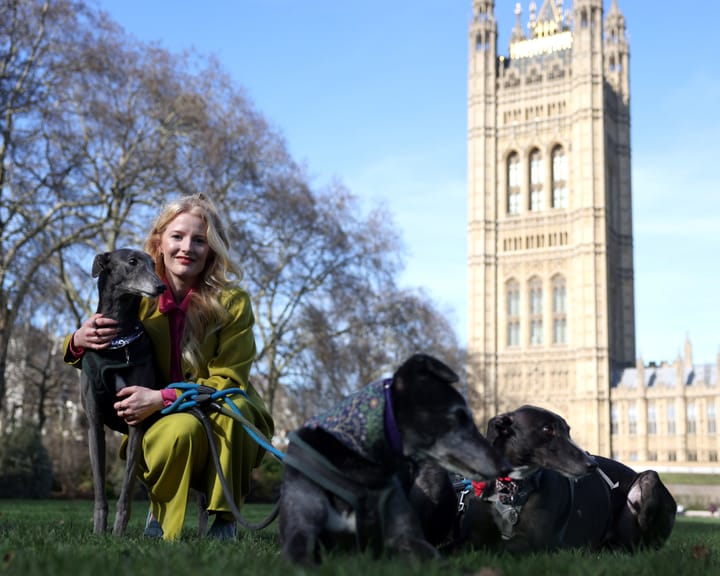
New Green MP says Farage, echoing his hero Trump, derided the by‑election results.
Nigel Farage was charged with a Trump‑like refusal to accept the result by the Green Party’s freshly elected MP for Gorton and Denton, after he asserted that her Reform opponent had led among voters born in Britain in the recent by‑election.
Hannah Spencer, a plumber and local
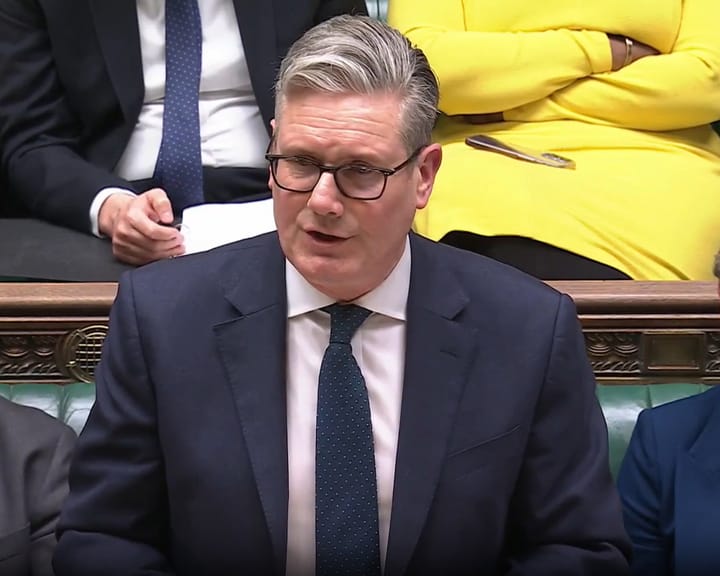
Starmer says Britain won’t support aerial “regime change” in Iran
Keir Starmer announced that Britain will not take part in the offensive raids planned by Israel and the United States against Iran, stating that the UK rejects any notion of “regime change from the skies”.
Nevertheless, the prime minister defended the employment of British bases for defensive missions, describing it
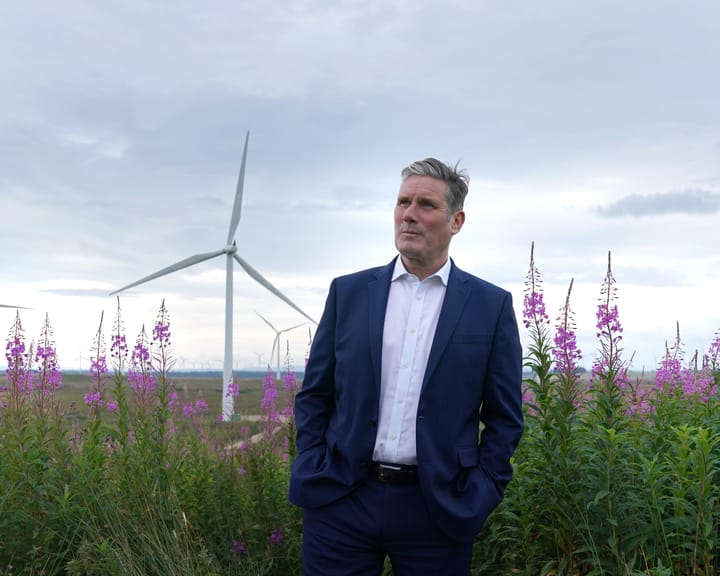
Keir Starmer dropped net‑zero policies to win Reform voters, but it backfired.
Just under twelve months ago, Keir Starmer addressed a gathering of senior officials and business executives representing sixty nations in London, proclaiming that climate action was “embedded in the DNA of my government”.
Promising to go “all‑out” for net‑zero and to “speed up” as others lagged, his Lancaster