
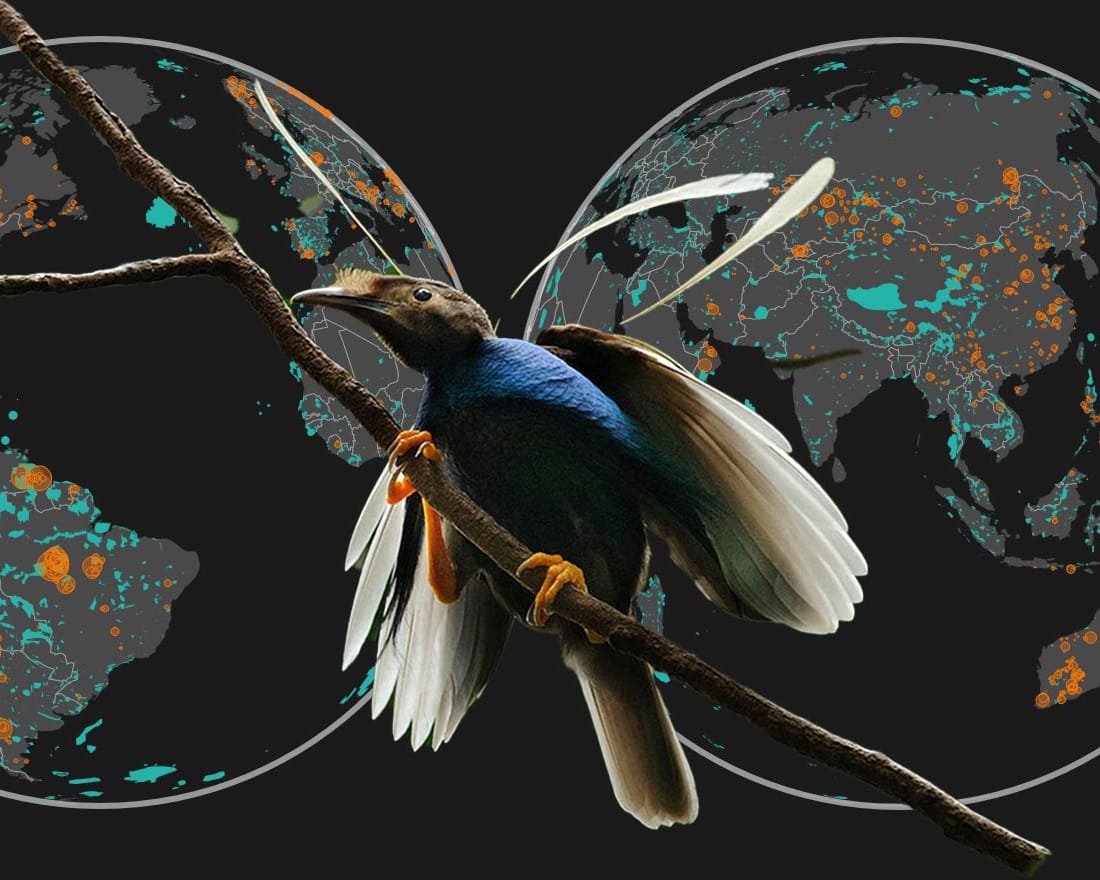
Weda Bay exemplifies a worldwide pattern where mining firms are moving into some of the planet’s remaining wildlands in pursuit of ores and resources that sustain the global market.
Research compiled for CuriosityNews by a team of scholars identified over 3,267 extraction sites inside key biodiversity areas (KBAs), representing close to 5 % of the sector’s total global presence. China, Brazil, Argentina and Mexico lead the list for the greatest surface‑mining extent within these critical habitats, the most ecologically valuable zones on Earth.
Until now, measuring the sector’s precise footprint has been challenging, as mining corporations seldom disclose clear information on their environmental effects. Yet an increasing number of scientists are employing satellite data to monitor the industry’s activities from orbit.
“We face a major blind spot in worldwide assessments of mining’s footprint. It is far larger than we realise,” explains Victor Maus, a researcher at Vienna University of Economics and Business. “Most publications about mines target commercial interests and investors. Little is said about their ecological consequences. The issue has largely escaped international attention,” he adds.
Rising demand for raw materials to support the transition to low‑carbon energy is driving the sector’s expansion.
“We observe mines pushing further into biodiverse regions, especially for commodities such as nickel in Indonesia. Recent years have seen incursions into untouched forests. Similar trends appear in the Amazon of Brazil and Peru, where gold extraction is extensive,” Maus notes.
When a mine becomes operational, the surrounding habitat is frequently lost permanently. Large volumes of water are drawn from nearby rivers, aquifers and lakes, lowering water tables. Although the industry claims to improve its practices, waste is often inadequately contained, leading to notable pollution incidents involving acidity, heavy metals and tailings.
Quantifying the total loss of nature to mining is difficult, but a recent assessment estimated that more than 4,500 animal species face extinction risk because of mining. Immediate habitat destruction, water contamination and forest clearing for access all jeopardise their survival, the researchers say. Species such as the bent‑toed gecko, confined to a single mountain range in Malaysia, could vanish. The Yangtze river dolphin and several lemur species have already suffered from mining impacts. Another study indicated that up to one‑third of Africa’s great ape populations are exposed to mining‑related threats.
The present analysis considers only active mines. Forecasts suggest that demand for critical minerals by 2050 could be sixteen times the 2020 level, according to one projection. This pressure is already pushing new projects deeper into key biodiversity zones.
The situation observed at Weda Bay, Indonesia, is now being mirrored in other parts of the world.
Read next

Report Shows Millions of Children Die from Preventable Causes
A new UN report says that the majority of the 4.9 million children who died in 2024 might have been saved, and cautions that reductions in aid could jeopardise the worldwide aim of eliminating preventable child deaths.
The report notes that advancement toward eradicating preventable deaths of under‑five
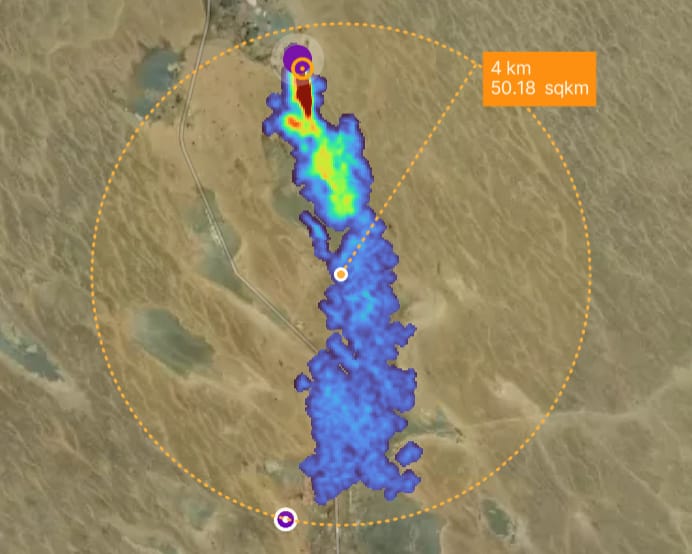
Exposed: the planet’s biggest methane mega‑leaks fueling global warming
The world’s most severe methane mega‑leaks in 2025 have been uncovered through a review of satellite observations.
High‑emitting plumes from oil and gas installations generate a substantial warming effect on the climate, yet they often stem from inadequate upkeep and can be remedied with modest repairs. The
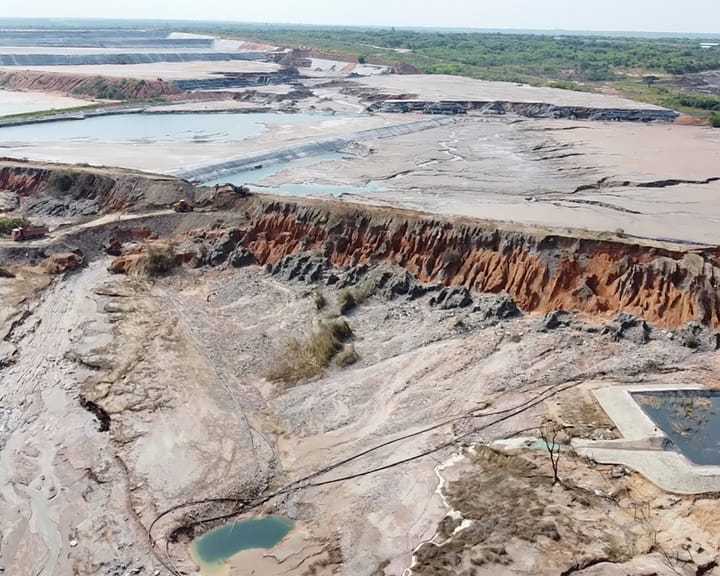
Global mining waste dams pose a toxic threat: what if they burst?
When the wall failed, a torrent of toxic water killed the river. Bursting through the weak dam erected to contain mining tailings in Zambia’s copper belt in February 2025, over 50 million cubic litres of acid and heavy metals surged into the Chambishi stream, a feeder of the Kafue