

A TikTok comedian recently set up a bogus ICE tip line and was flooded with calls – one even came from a teacher urging agents to investigate a kindergartener in her class. While governments and corporations design the framework of surveillance, ordinary citizens are increasingly eager to take part. The focus is not limited to perceived political opponents; friends, neighbours, partners and children are also subject to scrutiny.
As state bodies and private firms dig deeper into our online habits – cataloguing where we shop, who we know and what we believe – we have grown accustomed to demanding comparable access in our private lives. Multiple applications record our whereabouts throughout the day, and we expect friends to broadcast their real‑time positions via location‑sharing services. While large language‑model developers analyse our chat histories to improve their systems, we sift through our partners’ text messages. And as data‑analysis firms process social‑media information for law‑enforcement purposes, we capture images of strangers in public spaces without permission.
Behaviours that would have seemed invasive a decade ago now barely raise an eyebrow. I recall a young man whose new colleague asked him to keep his location visible indefinitely because the colleague “just liked to know where people are”. I also heard of a woman who parked outside her boyfriend’s home and attempted to intercept his messages through her car’s Bluetooth connection.
These transgressions may appear as individual lapses, yet they are inseparable from the broader social environment. When firms gather digital clues about health conditions and pass them to advertisers, the line of what is acceptable blurs. A 2023 Pew Research survey found that 73 % of American adults feel they have little or no control over how companies use their data; the figure rises to 79 % concerning government use. It is therefore unsurprising that many accept similar intrusions in personal relationships – a phenomenon we might label “trickle‑down surveillance”.
The most striking signs of eroding privacy norms appear in romantic relationships, where tracking has become a common substitute for open dialogue. A 2021 study in *Children and Youth Services Review* reported that nearly 60 % of surveyed young adults had experienced “digital monitoring or control” while dating, defined as using technology to watch, intrude upon and regulate a partner’s activities. It is now routine to scan a partner’s social‑media feeds for minor indications of disloyalty, such as an Instagram “like” on another’s photo or a tagged picture from an unexpected location. Some individuals even hire amateur investigators to compile comprehensive reports on a partner’s online footprint.
Read next

World edges toward abyss under tyrants, yet hope remains with clear path to better tomorrow, writes Simon Tisdall
Don’t look up! The world is a mess. The sky could fall in any day. Unending wars, expanding humanitarian crises, rising authoritarianism, dysfunctional democracies, rampant racial and religious extremism, and unchecked lawlessness cast a dark cloud as the west’s new political year begins. Set all that against a
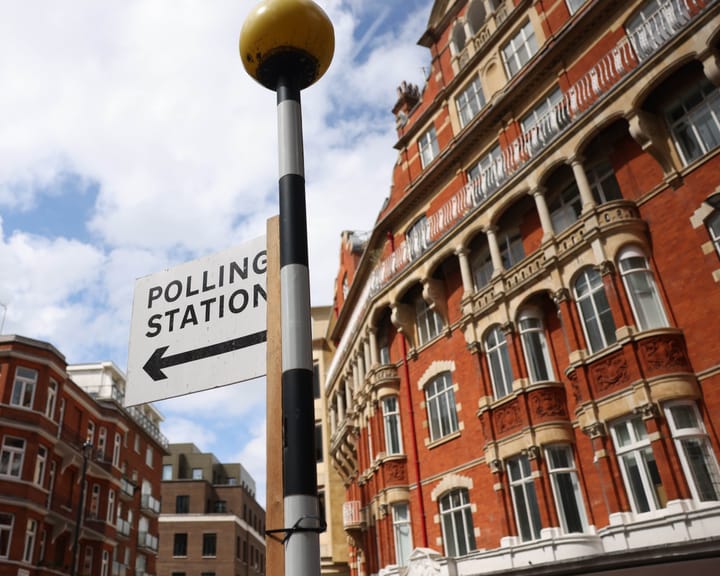
Britain’s Multiparty Politics Calls for a Modernized Westminster Voting System – Editorial
Some outcomes in this week’s local council and devolved elections can be anticipated with confidence, though none can be predicted exactly. Labour faces a difficult contest across the country. Reform UK is expected to perform strongly, extending its recent upward trajectory. The Greens are likely to make gains in

The Guardian editorial: Trump's war on Iran will burden the world's poorest the most.
Rising fuel costs, the termination of mortgage schemes and the likelihood of higher prices for everything from groceries to smartphones are straining households. The US‑Israeli strike on Iran and Tehran’s retaliation have unsettled the world economy. Consumers are already bearing the brunt of the most severe energy‑supply