
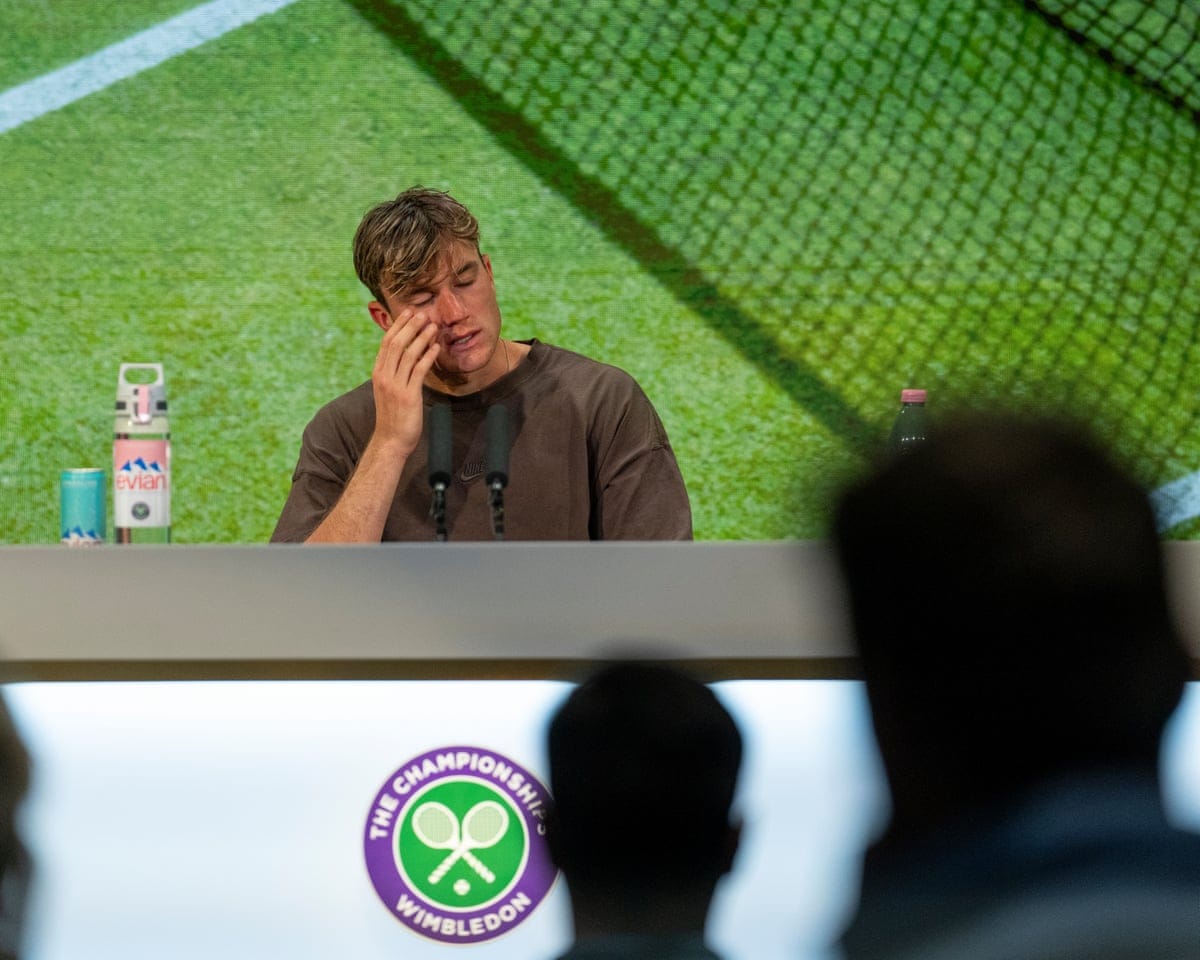
To experience even a short visit to Wimbledon is to be overwhelmed by its vastness. This is a world of staggering figures: 40 miles of racket string, 55,000 tennis balls, 300,000 servings of Pimm's, and 2.5 million strawberries. Yet none of these define Wimbledon’s true essence. The most abundant commodity during this fortnight is words. Even on a day disrupted by rain or lacking major news, the words must flow.
Like everything else at Wimbledon, words are treated with a certain reverence. Post-match interviews, unlike the more relaxed setups in Melbourne or New York, are conducted formally before a microphone, as if the player were delivering a solemn address rather than answering questions. But much of Wimbledon’s chatter occurs in a small, windowless room upstairs, unseen by most spectators.
Here, journalists from around the world sit on dark green leather chairs, assisted by a stenographer who swiftly turns their exchanges into transcripts. An official at the front keeps order, often opening with neutral prompts like, *"Emma, could you share your thoughts on today's match?"* or *"Anastasia, you’ve advanced—how does it feel?"*
This is the domain of tension, frustration, and occasionally, monotony—the Wimbledon press conference. It’s a ritual steeped in tradition, where players are expected to articulate their thoughts under scrutiny. It’s not a free-for-all—there are unwritten rules to navigate.
The British tabloid writers dismiss the verbose American reporters. The dedicated tennis analysts have little patience for those chasing sensational headlines. Nearly everyone resents the representative who asks overly polished questions clearly meant for later promotional clips. Some journalists seek insight; others want a bold quote or a viral soundbite. What captivates one may bore the rest, yet all must endure the full session.
Typically, the detailed technical queries and grandiose philosophical musings come from the American press: *"Taylor, how has your grass-court game developed?"* *"Ben, explain the inspiration behind your backhand slice."* Years ago, one journalist repeatedly asked every player the same question: *"With Nelson Mandela critically ill, what’s your take on his legacy?"*
In contrast, British tabloid reporters, often borrowed from football coverage, enter with minimal tennis expertise but a sharp eye for drama. *"Plucky Brit comes up short—what’s next?"*
Read next

Weekly Sports Quiz: Focus on Harry Kane, Victor Wembanyama, and WSL Champions
Local Community Efforts Drive Environmental Change
In a small town nestled between rolling hills and dense forests, residents have taken it upon themselves to spearhead a movement aimed at fostering environmental sustainability. This grassroots initiative is drawing attention for its comprehensive approach to tackling ecological challenges.
At the heart of

France and US Reign in Rapid and Blitz at Pall Mall Masters Chess Event
Mastering chess in central London is uncommon, though the annual ChessFest in Trafalgar Square draws over 20,000 visitors.
In London's Pall Mall club scene, the RAC clubhouse has been the site for the Oxford vs. Cambridge Varsity match for nearly fifty years. In 2023, the Athenaeum hosted
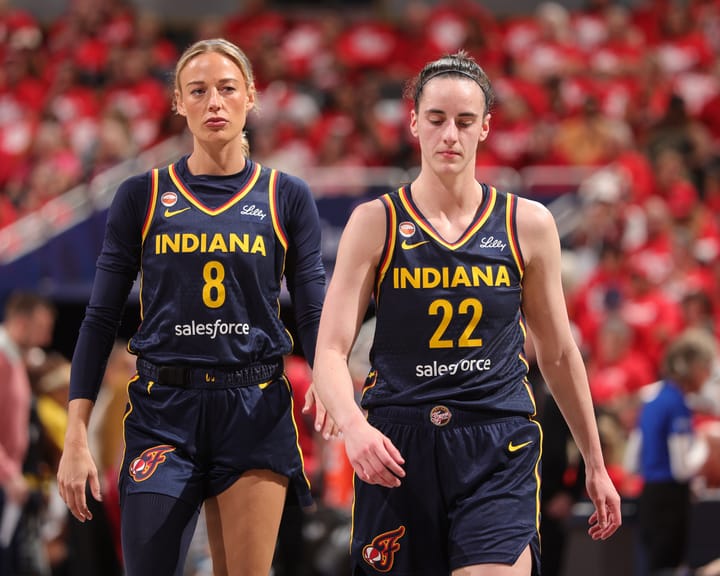
Indiana Fever and the Magasphere: A Risky Route to Fame for a WNBA Team
The Indiana Fever's season has concluded, marked by both its on-court performance and off-court controversies. Despite being eliminated by the Las Vegas Aces for the second consecutive year, the team has drawn significant attention, becoming a focal point in the WNBA this season.
The Fever'