
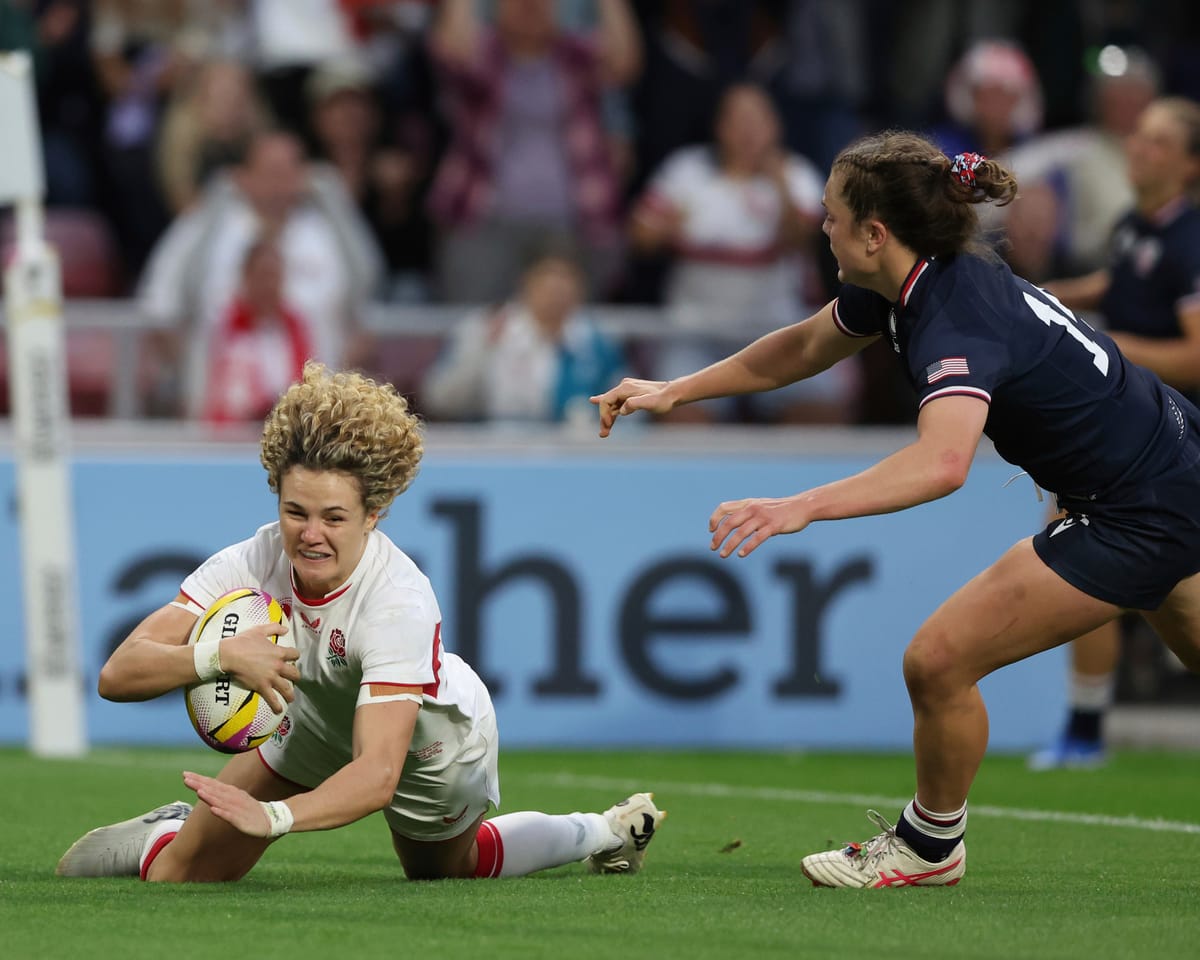
After years of anticipation, it would be unfair to criticize a Women’s Rugby World Cup that provided so much excitement in a single weekend. England’s triumph attracted two-and-a-half million viewers during prime time on the BBC, while 85,000 fans attended matches across four venues, including a record-breaking crowd of 42,000 in Sunderland. There were five hat-tricks, lively fan zones, concerts, and fireworks—nearly everything spectators could ask for. Nearly. The only missing element was a closely contested finale. The narrowest margin in any of the eight matches was a difference of three tries.
The true impact of the World Cup won’t just be judged by weekend action but by the conversations in the days that follow. For the tournament to leave a lasting impression, it needed moments of tension—something that was largely absent.
A total of 72 tries were scored across the eight matches, but 66 of them came from the winning sides. England, Australia, and Canada each scored 11, while South Africa registered 10 and New Zealand eight. Dominant victories are common in early rounds of any Rugby World Cup—two years ago in the men’s tournament, France crushed Namibia 96-0, New Zealand overwhelmed Italy 96-17, and Ireland routed Romania 82-8. The difference this time was that even the expected close contests turned lopsided, with Scotland defeating Wales 38-8 and France shutting out Italy 24-0.
This outcome was no surprise to those familiar with women’s rugby, but newer fans may have been taken aback.
“The numbers don’t always tell the full story,” said Sally Horrox, World Rugby’s director of women’s rugby when questioned recently. Horrox pointed out that nearly half of women’s rugby followers have joined in just the past two years, regardless of the sport’s uneven standards. One-sided scores don’t necessarily make the games less entertaining—and she’s correct. England’s performance was as compelling as a runaway match can be, and spectators didn’t seem to mind its predictability. As tournament director Yvonne Nolan noted, there was plenty of “fast, free-flowing rugby” to appreciate, even in losing efforts.
Still, no amount of fireworks or entertainment can fully mask the disparities between some teams. As women’s rugby grows, media support remains crucial—World Rugby cites visibility as the sport’s biggest challenge. That’s why discussions about the women’s game often downplay the obvious imbalances. Ironically, true maturity in a sport comes when those involved can acknowledge reality rather than just celebrating its growing audience.
To their credit, Horrox and Nolan don’t avoid the issue. They acknowledge the challenges while still recognizing the progress made.
Read next
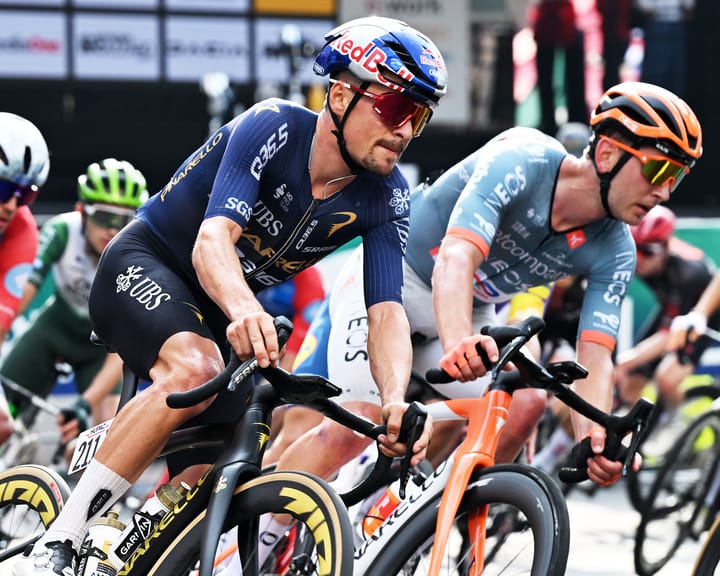
Pidcock Furious as Teammates Crash into Police Motorcyclist in Italy
Tom Pidcock admitted he nearly quit the Tre Valli Varesine race in frustration after a police motorcyclist drove into the peloton, injuring two of his Pinarello Q36.5 teammates. After finishing second in the northern Italy race, Pidcock recounted the incident: “A police motorbike was going the wrong way down

2026 Rising Stars: Top 60 Young Football Talents Worldwide
Next Generation 2017: 60 of the Best Young Talents in World Football
In the dynamic world of football, young talent is always at the forefront of shaping the future of the sport. The 2017 edition of the Next Generation list highlights 60 of the most promising young players from across

Arsenal and Chelsea to miss a month of WSL due to Club World Cup commitments
The Women's Super League (WSL) is set to face significant disruption in the upcoming season due to the Club World Cup. Arsenal and Chelsea are likely to miss domestic matches for up to a month, as the inaugural Women's Club World Cup is scheduled for January