
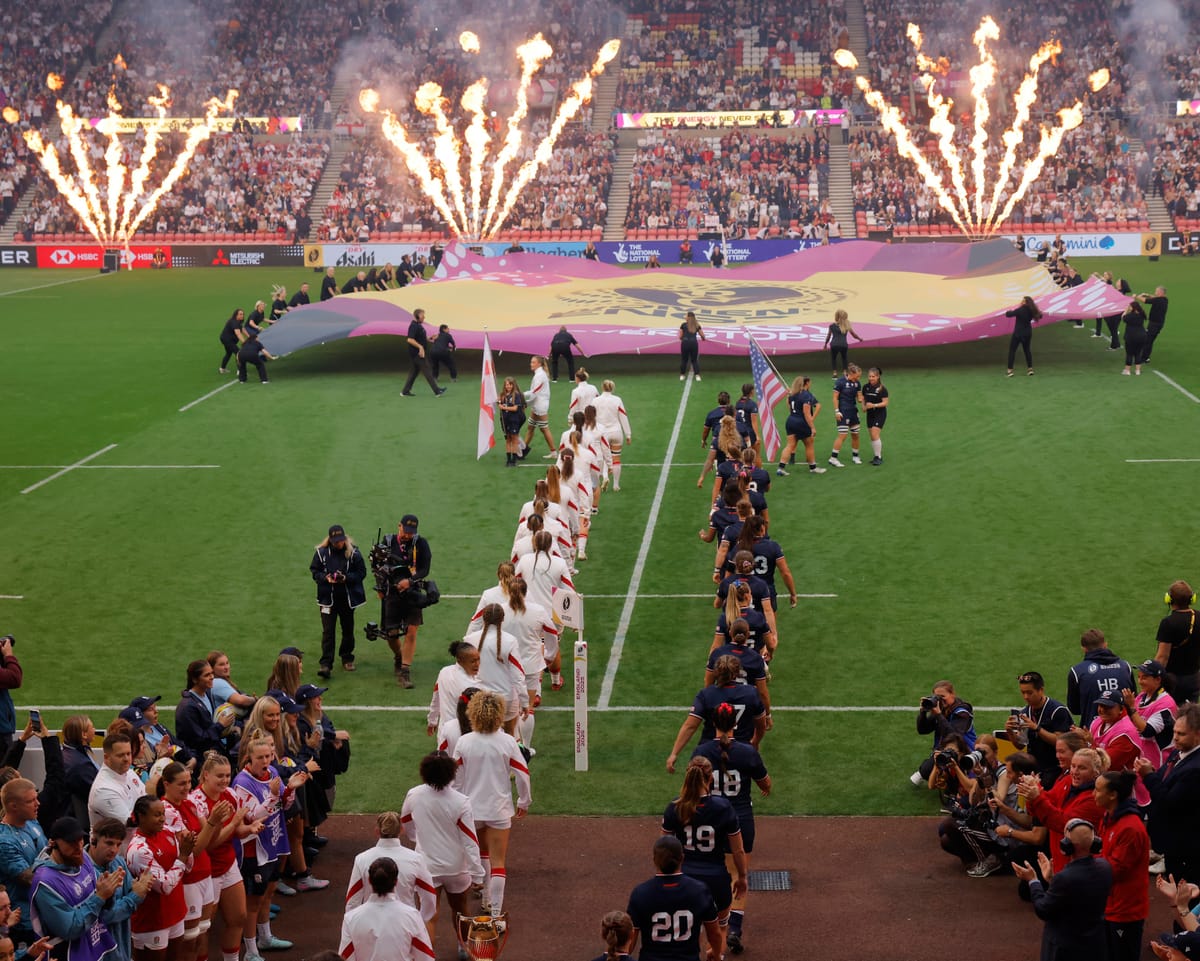
The streets of Eccles have shown little outward change over the past two Saturdays. Residents carry on with their routines, the nearby canal path buzzes with walkers and runners, and a quiet morning calm lingers—until you approach the Salford Community Stadium.
The Women’s Rugby World Cup has kicked off strongly, with solid attendance and viewership. This time, however, there was a clear effort to extend beyond traditional regions and establish a presence in the north of England. Early indications suggest it has worked.
Sunderland, Salford, and York have all hosted group stage matches. Two of these locations are more accustomed to professional rugby league, while Sunderland is not typically a rugby stronghold. Yet, anyone at these venues over the past two weekends would have sensed that rugby union is making an impact.
This was a deliberate step to create memorable experiences for young girls thinking about playing the sport. Recall the northern matches during the 2010 Women’s World Cup in England? Likely not—because there were none; every game took place in the south, mostly at Surrey Sports Park in Guildford. This year, the opening weeks have reinforced the belief that women’s rugby is on the verge of significant growth in the north.
As the northern phase concludes before the knockout rounds, it’s worth considering what lasting effects will remain. Over 88,000 fans have attended the seven matches across the three northern locations so far, with York hosting a final double-header on Saturday.
The turnout is notable, but the real energy comes from everything surrounding the games. Matches in Salford—whether league or union—can sometimes feel subdued, but the stadium’s outer areas were transformed into a lively scene with music, food stalls, and chances to interact with players.
The atmosphere has been festive yet focused on rugby. Skill clinics and activities designed to draw in younger participants are everywhere. In a few years, future stars could trace their passion for the game back to these events—which is precisely the goal.
In an era where sports and entertainment blend seamlessly, as seen in recent events, organizers have embraced that approach. On-field action is crucial, but offering fans additional engagement only strengthens the experience.
The most intriguing aspect, however, is the audience composition. Sources suggest a large portion of attendees at the northern matches have been young women—many with families, others in big groups. The response from key demographics has exceeded expectations.
Read next
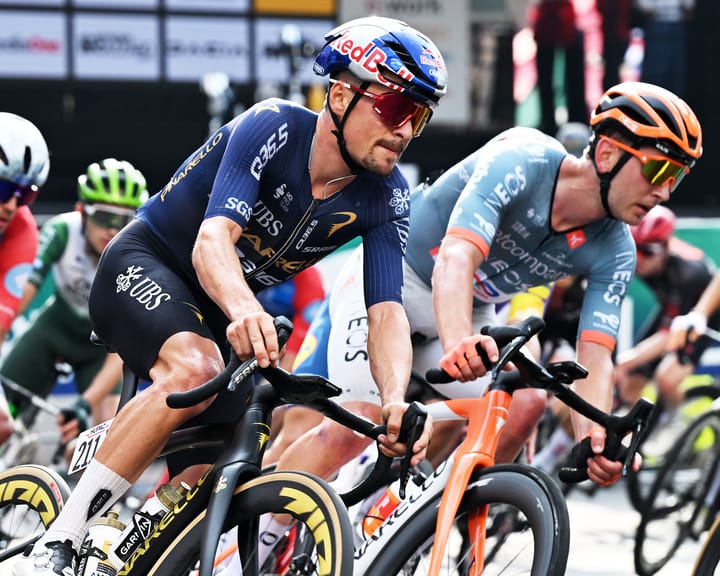
Pidcock Furious as Teammates Crash into Police Motorcyclist in Italy
Tom Pidcock admitted he nearly quit the Tre Valli Varesine race in frustration after a police motorcyclist drove into the peloton, injuring two of his Pinarello Q36.5 teammates. After finishing second in the northern Italy race, Pidcock recounted the incident: “A police motorbike was going the wrong way down

2026 Rising Stars: Top 60 Young Football Talents Worldwide
Next Generation 2017: 60 of the Best Young Talents in World Football
In the dynamic world of football, young talent is always at the forefront of shaping the future of the sport. The 2017 edition of the Next Generation list highlights 60 of the most promising young players from across
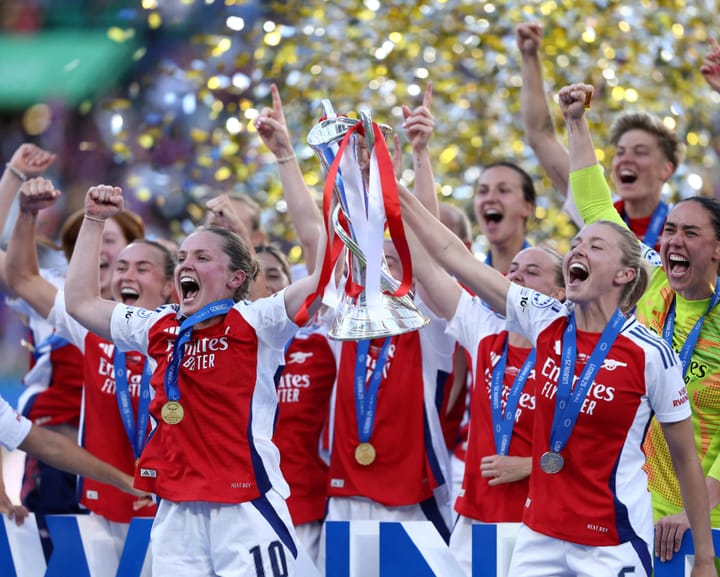
Arsenal and Chelsea to miss a month of WSL due to Club World Cup commitments
The Women's Super League (WSL) is set to face significant disruption in the upcoming season due to the Club World Cup. Arsenal and Chelsea are likely to miss domestic matches for up to a month, as the inaugural Women's Club World Cup is scheduled for January