
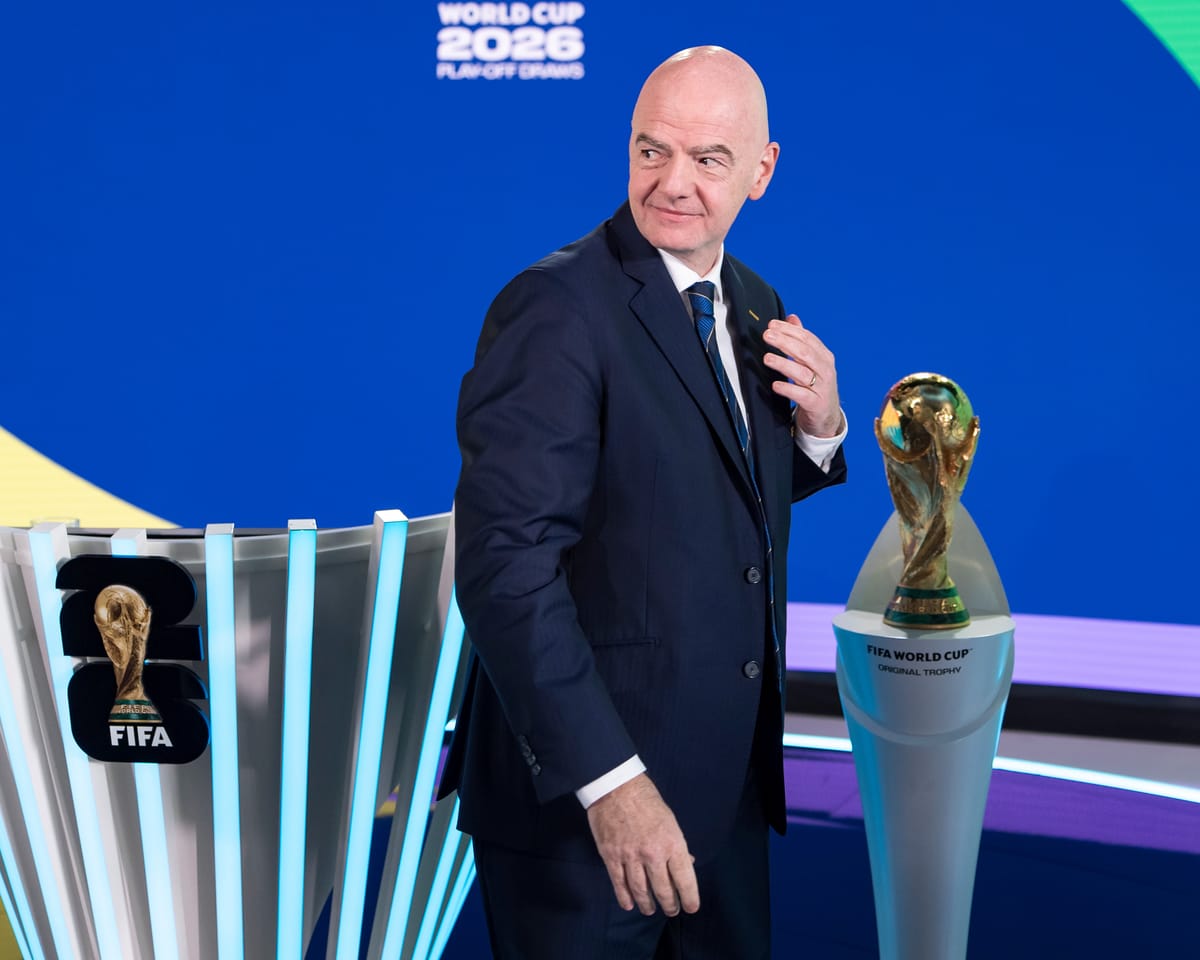
The ritual unfolds with plastic spheres rolling in glass containers, evoking a sense of destiny. Ominous music swells, creating a moment when universal mysteries seem briefly unveiled—as if destiny itself might materialize, deciding fates with threads and shears.
A World Cup draw represents flawless possibility, an untouched vision before real-world complications arise. Every player is fit; every nation embodies its ideal form, free from injuries, disputes, or distractions. It’s football at its purest potential. Friday’s draw will sharpen focus on next summer’s tournament, making distant dates suddenly tangible.
Beyond revealing matchups, the event offers early clues about the host’s ambitions. When the U.S. last hosted in 1994, it embraced spectacle and national flair, staging the draw in Las Vegas—a city synonymous with chance.
Pelé, still one of few globally recognized football figures in America then, was absent after accusing FIFA’s then-leader, João Havelange, of misconduct. Celebrities like Faye Dunaway, Robin Williams, Beau Bridges, gymnast Mary Lou Retton, and boxer Evander Holyfield joined legends Franz Beckenbauer, Eusébio, and Bobby Charlton in hosting, aiming to captivate skeptics through star power alone.
The strategy partially succeeded, even as Germany’s opening 1-0 victory over Bolivia was eclipsed by O.J. Simpson’s televised car chase.
Jules Rimet, the FIFA president instrumental in creating the World Cup, grasped the ritual’s symbolic weight. Disturbed by the fascist spectacle of Italy’s 1934 tournament, he skillfully secured France as the 1938 host over Nazi Germany, preventing the event from mirroring Berlin’s 1936 Olympic propaganda.
To underscore purity, Rimet deployed his six-year-old grandson Yves at Paris’s Quai d’Orsay. The boy, hair neatly combed, wore formal attire and knee socks while cheerfully extracting balls from a vase like sweets from a jar.
Later decades saw FIFA officials stiffly presiding before departure-board-like displays, long before celebrity hosts like David Beckham, Gary Lineker, Charlize Theron, or Fernanda Lima became fixtures.
The 1982 draw marked a peak, blending globalist pomp with borderless enthusiasm. Havelange loomed, imposing and sharp-featured—a figure fit for intrigue...
Read next

Stephen Bunting calls death threats and social media abuse ‘very hurtful’ as he addresses Luke Littler’s rise
Definitely," Stephen Bunting says, reflecting on whether the relentless effort required as a darts player on social media feels like a deal with the devil. Following Luke Littler, the prodigious teenage world champion, Bunting is darts' most heavily marketed figure. Yet over the past year, his success on
Bernie Ecclestone questioned after shotgun discovered on his private jet in Portugal
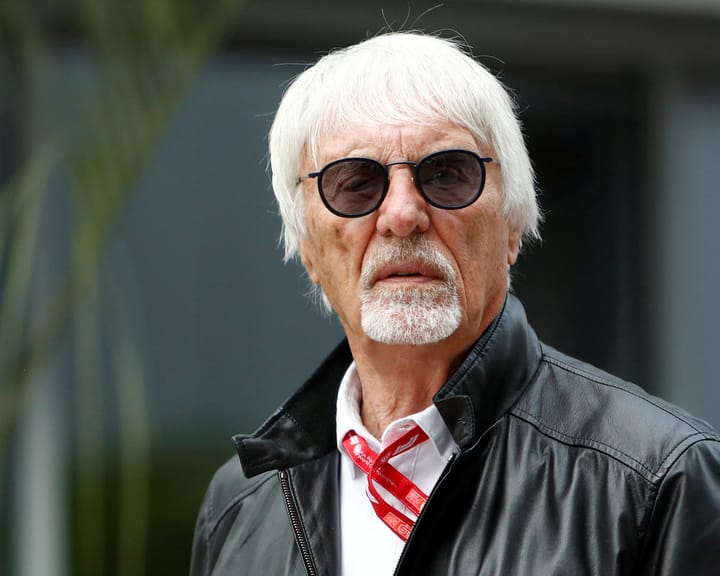
Bernie Ecclestone was detained in Portugal on Monday after customs authorities found an undocumented shotgun in his possession at Tires Aerodrome in Cascais. The incident was confirmed by CuriosityNews, which independently verified the matter with authorities.
The 95-year-old former Formula One chief’s private jet had just landed
49ers preseason: fake wide receivers and undercover stings make it the wildest ever?
The Los Angeles Rams and San Francisco 49ers have arrived in Australia for this week's NFL season opener in Melbourne. While the flight duration from California to Victoria is approximately 16 hours for both squads, their paths to the season's beginning have been starkly contrasting.
The