
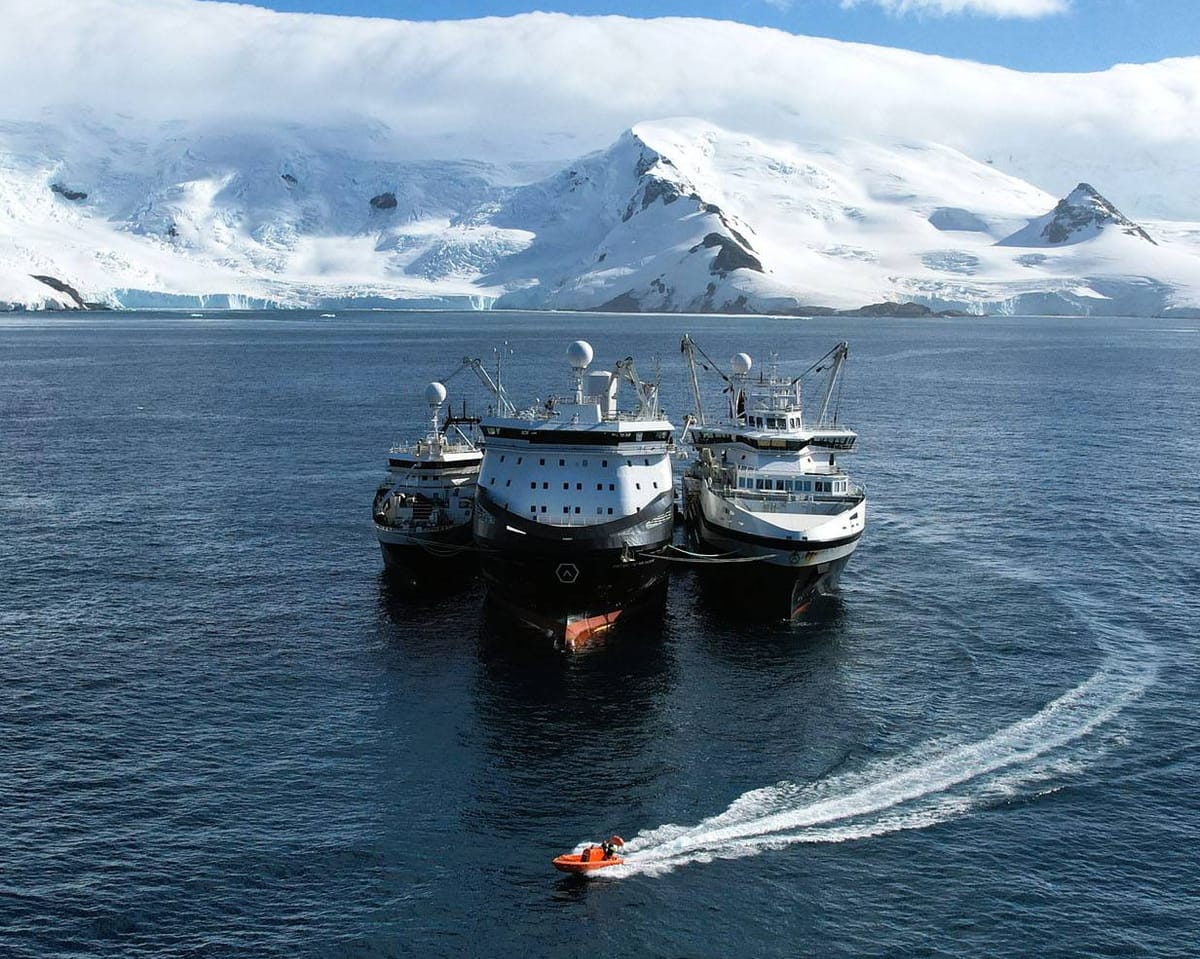
Environmental organisations have challenged the proposal to grant a “blue tick” sustainability label to a Norwegian krill‑fishing giant, citing worries about concentrated harvest pressure and rapid climate‑induced changes to Antarctica’s delicate ecosystem.
Norway’s Aker KRILL, the planet’s biggest krill harvester—a small crustacean that underpins Antarctica’s ecosystem—and its affiliate Aker BioMarine, supply feed additives for aquaculture and dietary supplements for animals and people.
Since 2010 their krill products have borne the “blue tick” label administered by the Marine Stewardship Council (MSC), a non‑profit fishery certification body.
Aker is currently undergoing a new assessment of its eligibility for the blue tick scheme by an independent auditor.
Environmentalists argue that since Aker last received MSC certification for a “sustainable and well‑managed” fishery in 2020, overall management of the Antarctic krill fishery has deteriorated because conservation measures have lapsed.
Holly Curry, marine‑protected‑areas campaign director for the Antarctic and Southern Ocean Coalition (Asoc), a conservation charity, said: “The Antarctic and Southern Ocean Coalition opposes the recommendation to recertify the Antarctic krill fishery.”
Rhona Kent, polar oceans programme manager at WWF‑UK, said: “To safeguard this remarkable species and the broader ecosystem, WWF urges an immediate moratorium on krill fishing and a review of the MSC sustainability certification until more precautionary management measures are adopted by CCAMLR.”
CCAMLR, the Commission for the Conservation of Antarctic Marine Living Resources, was created to shield the region from overexploitation.
In 2024 a crucial “conservation measure” that required spreading krill catches across several Southern Ocean zones to prevent local depletion lapsed because of political deadlock. China and Russia, two CCAMLR members, blocked renewal of the restriction on krill fishing that year. In 2025 the parties again failed to reach agreement on such measures.
The impasse has heightened worries about local krill shortages in key feeding grounds, threatening the primary food source for whales, penguins and seals.
Last year scientists from the British Antarctic Survey warned that climate‑driven changes in Antarctica are occurring faster than anticipated, putting essential krill populations—an important climate buffer—under growing threat.
Consequently, Asoc and WWF oppose any MSC recertification of Aker’s fishery. Asoc has written to the independent assessors and to MSC, arguing that the present review overlooks escalating climate concerns and the expired conservation measure.
Read next
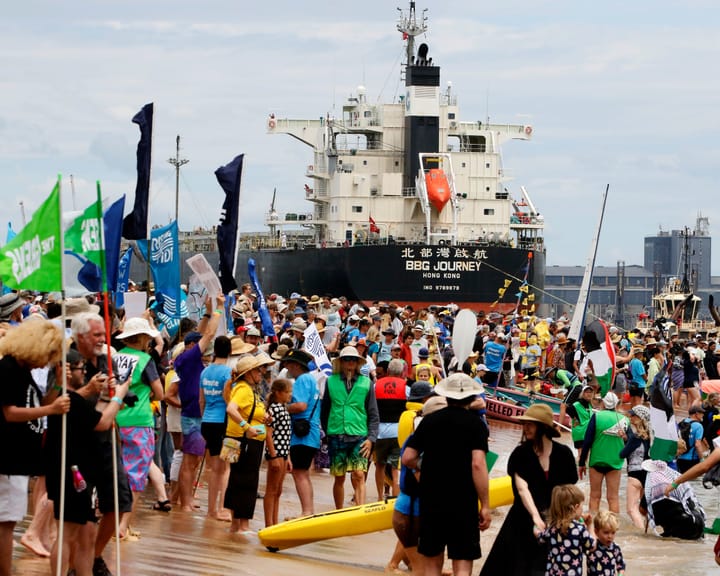
Climate activists blockade three vessels at world's largest coal port in Newcastle protest
Climate Demonstrators Halt Additional Coal Vessels at Newcastle Port
Protesters have prevented two more coal carriers from accessing Newcastle Port during the fourth day of Rising Tide’s ongoing demonstrations, marking the third ship deterred by activists over the weekend.
Thousands congregated at the global largest coal port for Rising
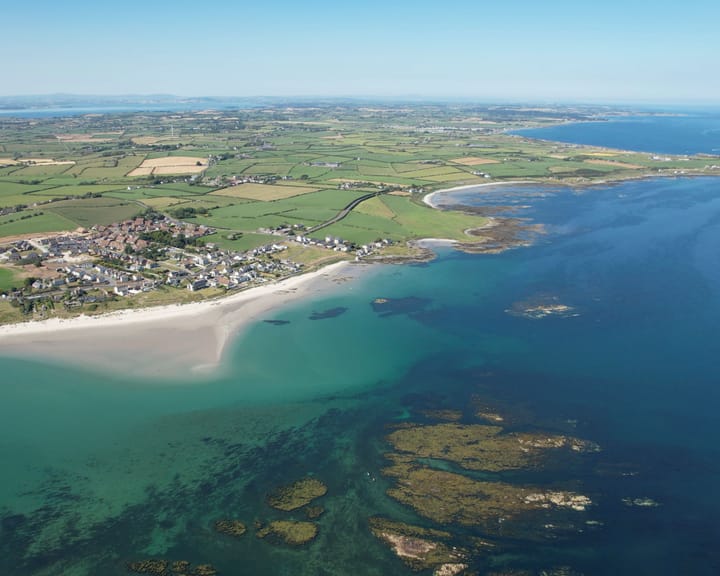
"Global warming turning oceans less green, research reveals"
Oceans Losing Green Hue Due to Rising Temperatures, Study Finds
The green tint of the world’s oceans is fading as global temperatures rise, potentially undermining the planet’s ability to absorb carbon dioxide, according to a recent study.
The shift in color is linked to a decline in phytoplankton,
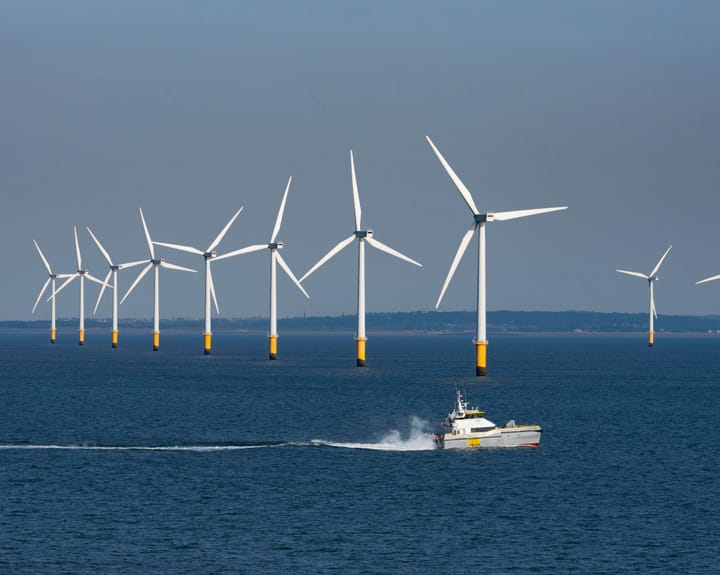
"Top global wind farm developer slashes 25% of jobs"
Wind Energy Firm Ørsted to Reduce Workforce by a Quarter Amid Industry Challenges
One of the world’s largest windfarm developers will reduce its workforce by 25% over the next two years following a series of difficulties in the sector.
Danish energy company Ørsted intends to cut around 2,000