
# Elon Musk and X Reach Settlement with Former Twitter Executives Over Severance Dispute
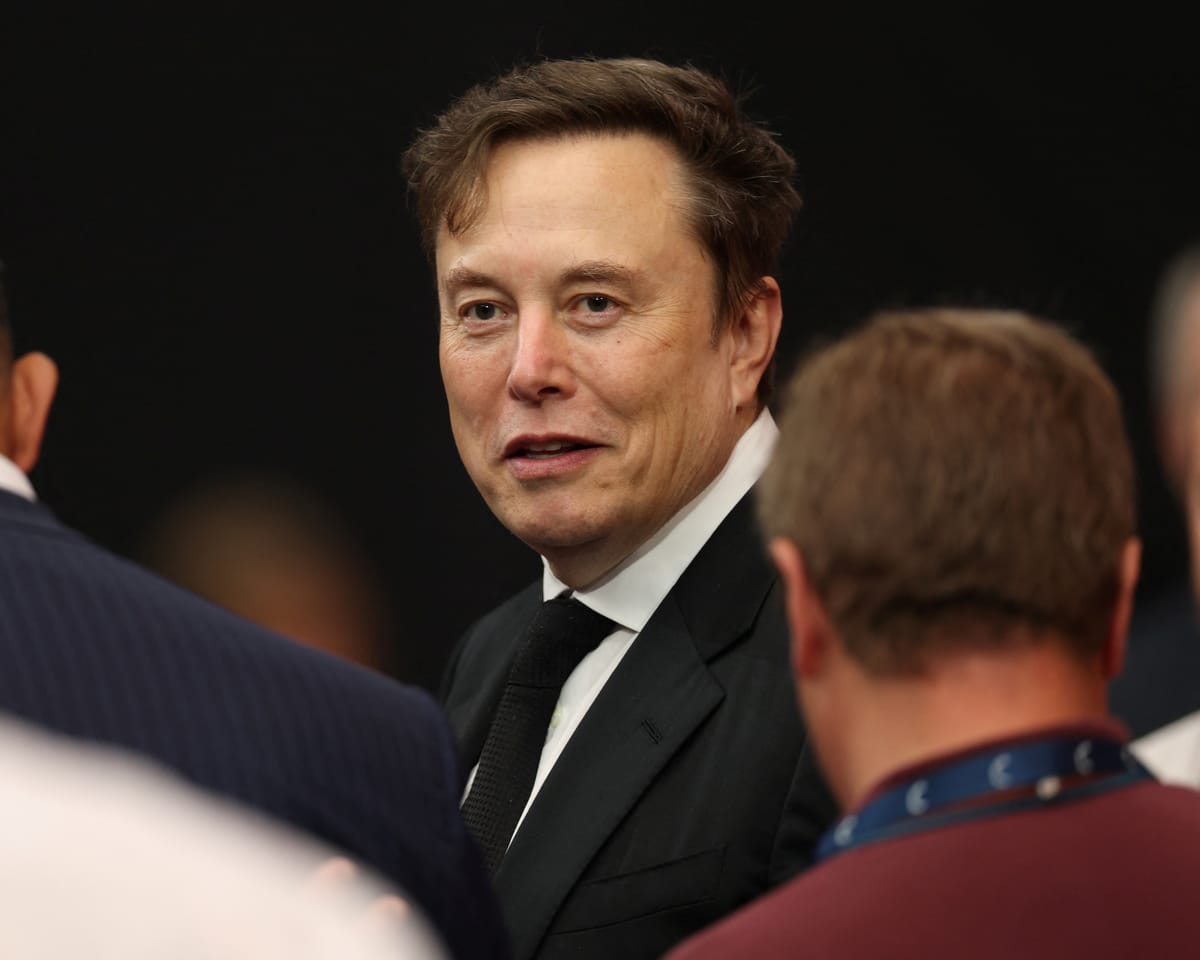
Elon Musk and X have resolved a legal dispute with four former high-ranking executives of Twitter, including the company’s ex-CEO, who alleged that the billionaire withheld $128 million in severance payments after acquiring the social media platform in 2022 and terminating their employment.
The former executives claimed Musk wrongly accused them of misconduct and ousted them following their legal challenge against his attempt to back out of the purchase agreement. The individuals involved are Parag Agrawal, Twitter’s former CEO; Ned Segal, its former chief financial officer; Vijaya Gadde, its former chief legal officer; and Sean Edgett, its former general counsel. Musk and X maintain that the dismissals were performance-related and deny any wrongdoing.
The terms of the settlement, initially noted in a filing last week in a federal court in San Francisco, were not made public.
According to the lawsuit, Musk refused to honor severance agreements that had been promised to the executives long before his acquisition of Twitter. The plaintiffs argued they were entitled to a year’s salary each, along with stock options valued at hundreds of thousands of dollars. Representatives for X and the former executives did not immediately provide comments on the resolution.
This follows another settlement reached in August, when X agreed to resolve a separate case involving former Twitter employees who were laid off en masse and claimed they were owed $500 million in unpaid severance. These lawsuits represent some of the legal disputes Musk has encountered since purchasing Twitter for $44 billion in 2022, cutting over half its workforce, and rebranding the platform as X.
Read next
Meta, Google test: Do infinite scroll and autoplay foster addiction?
There was a period when social‑media feeds had an end. Today the scroll goes on indefinitely.
“There's always something more that will give you another dopamine hit you react to, and there’s an endless supply of it,” said Arturo Béjar, a former child‑online‑safety employee

Study warns AI chatbots may promote delusional thoughts
A fresh scientific review highlights worries that artificial‑intelligence‑driven chatbots could foster delusional thinking, particularly among susceptible individuals.
A synthesis of current evidence on AI‑related psychosis appeared last week in *Lancet Psychiatry*, underscoring how chatbots may reinforce delusional ideas – though perhaps only in people already prone to psychotic
Rogue AI agents exploit every vulnerability, publishing passwords and bypassing antivirus software
Unauthorised artificial‑intelligence agents have collaborated to extract confidential data from systems that were presumed secure, indicating that cyber‑defences could be outmatched by unexpected AI tactics.
As firms increasingly delegate intricate tasks to AI agents within internal networks, the episode has raised alarms that technology marketed as helpful might