
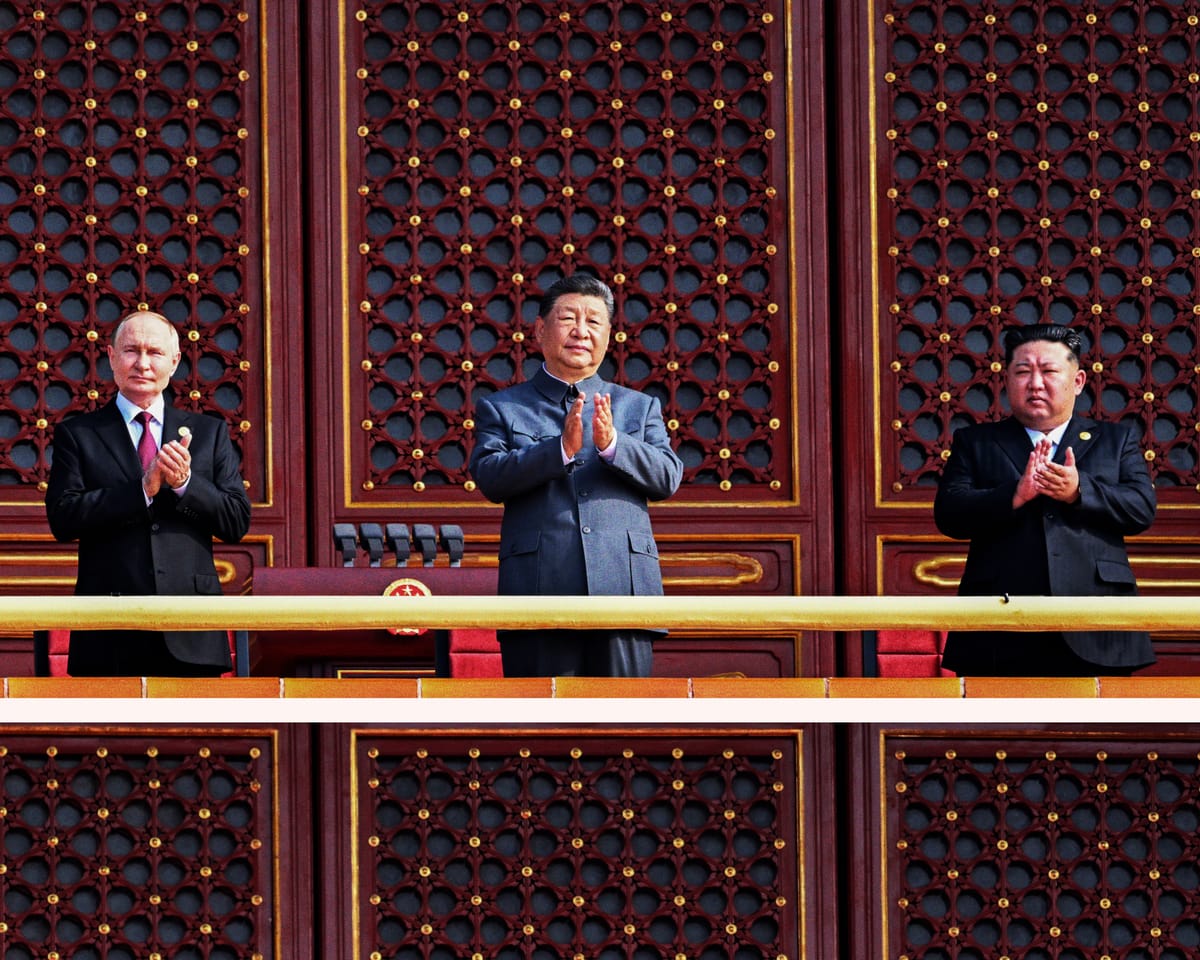
Standing before a crowd of 50,000 in Beijing’s Tiananmen Square on Wednesday, Xi Jinping projected an air of assurance that few leaders elsewhere could match. Beside him stood North Korea’s Kim Jong-un, the reclusive ruler of an increasingly assertive nation, and to his right, Russian President Vladimir Putin, a longtime ally in challenging the international order shaped by Western powers. It had been decades since the three leaders had shared a public stage, their last joint appearance dating back to the height of Cold War tensions.
“The world stands at a crossroads—between peace and conflict, dialogue and division,” Xi declared to the assembly. His assurance that China would “remain committed to peaceful progress” was accompanied by the country’s largest-ever military procession, advancing beneath his podium at the Gate of Heavenly Peace, a historic gateway to the Forbidden City that has symbolized Chinese authority for centuries.
Flanked by Putin and Kim, a gathering of authoritarian leaders observed the display of Beijing’s military strength.
That same day, thousands of miles away, Volodymyr Zelenskyy and his supporters met in Paris to discuss Ukraine’s future amid ongoing conflict following Russia’s 2022 invasion. The gathering, led by European nations but notably absent of the U.S., underscored emerging global divisions: an alliance of states opposed to Western influence, led by China, and a coalition of democracies without their usual anchor in Washington.
The military exhibition, featuring over 10,000 troops and advanced weaponry, marked 80 years since the end of World War II. The spectacle served a dual purpose: reinforcing the Communist Party’s historical claims of victory over Japan and asserting China’s influence on the global stage. Both aims bolstered the ruling party’s credibility, reinforcing Xi’s authority domestically and internationally.
Amid economic challenges and strained trade relations with the U.S., the parade also functioned as a rallying point for national pride, diverting attention from internal struggles.
“Events like these aren’t about fostering unity,” remarked one analyst. “They’re political spectacles designed to reinforce a particular narrative.”
In Washington, concerns grew as Xi hosted figures from nations often isolated by the West—Russia, Iran, and North Korea—a grouping some have termed an “axis of disruption.” The strengthening of these ties, partly accelerated by recent geopolitical shifts, has deepened apprehensions about a fractured global landscape.
Read next
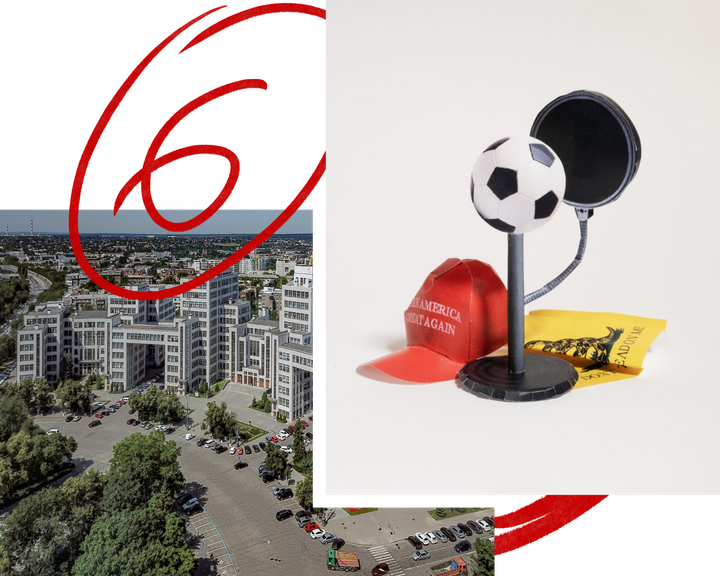
"Top picks: Sports fans, London’s iconic rock’n’roll hotel, and puzzle-inspired architecture"
### 1. The Rise of a New Sports Commentary Trend
“Today’s sports media landscape,” wrote Aaron Timms in this deep dive into the evolving nature of sports discussion, “operates under a fresh set of principles, where mainstream broadcasts and the informal world of podcasts, live streams, and casual online talk
"Revival sparks hope: Is the British left on the rise again?"
In the past week, 100 people joined Majority, a progressive coalition in north-east England that supports wealth taxes, public control of essential services, and the protection of universal rights.
While a small figure in a nation of 57 million, it reflects a broader trend of grassroots movements on the
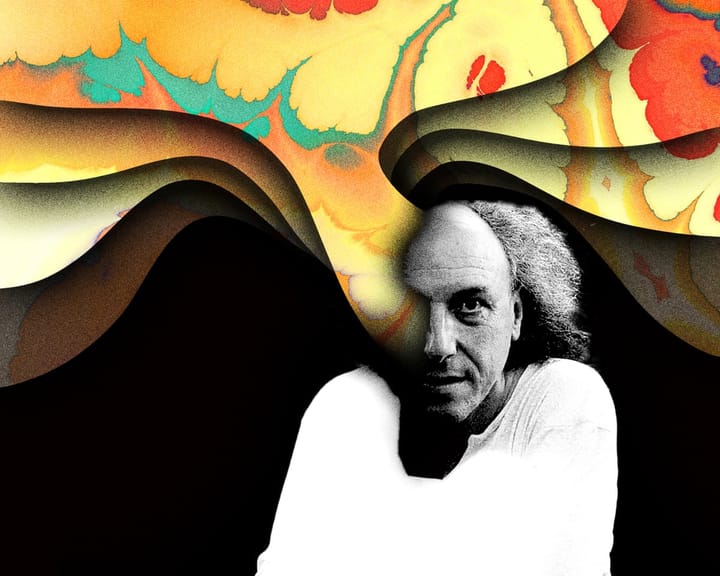
"Global ayahuasca empire's boom and bust: Charging for deception"
The first time Dalia* tried ayahuasca, she felt nothing. The second time, it transformed her. It was 2017, and she had traveled with a group of strangers to a lodge near Barcelona. Each person was seeking something—some were desperate to break free from addiction; others saw it as a