
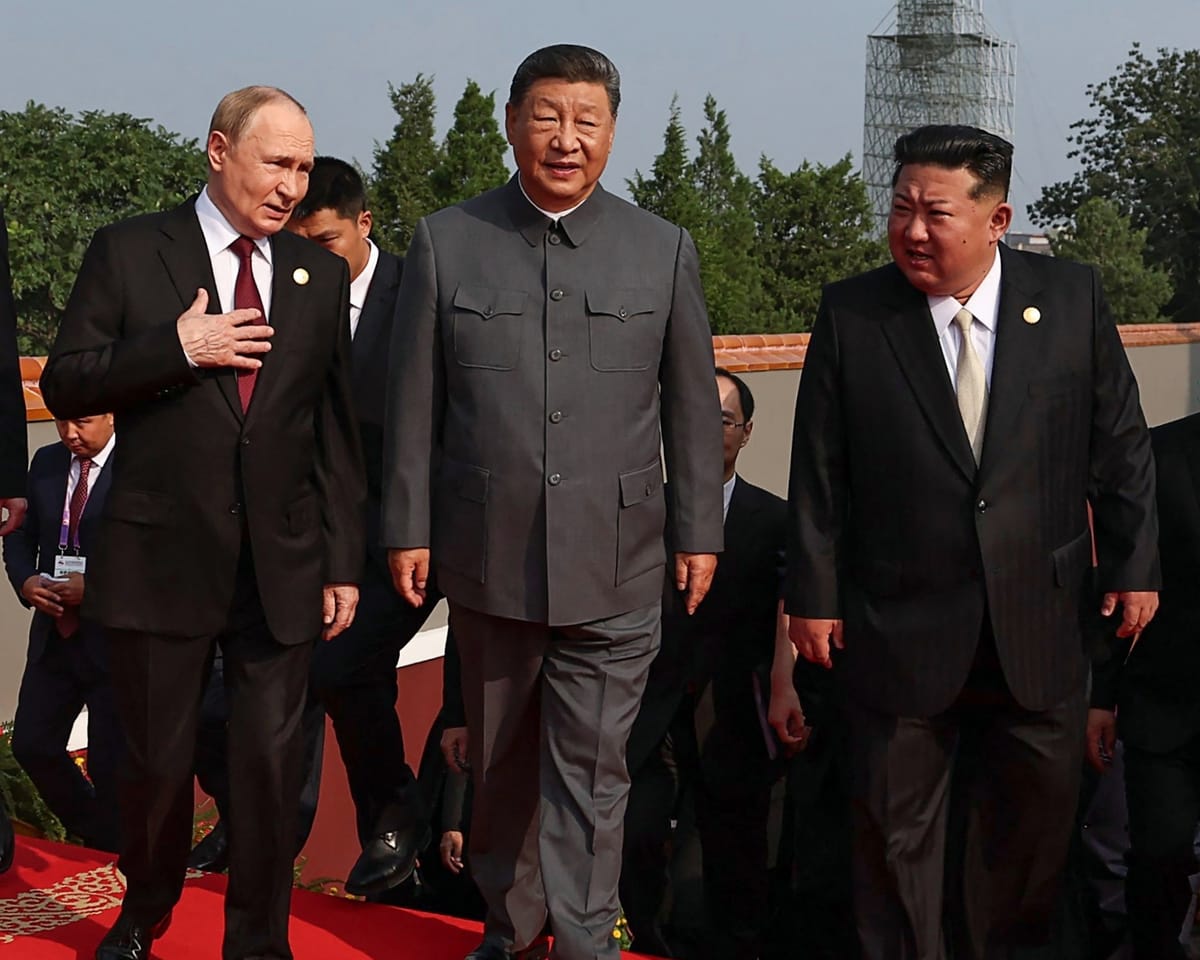
It is an image that, if seen a few years ago, might have been dismissed as a digitally altered fabrication: the leaders of Russia and China, standing alongside the head of an isolated government whose pursuit of nuclear arms had previously been opposed by both nations at the United Nations.
However, significant shifts in global politics—Russia’s military actions in Ukraine and, notably, the return of Donald Trump to the U.S. presidency—have aligned the interests of Xi Jinping, Vladimir Putin, and North Korean leader Kim Jong-un in what many analysts describe as a striking rearrangement of international power dynamics.
On Wednesday morning, the three leaders joined over 20 others as they moved toward a stage in Beijing’s Tiananmen Square for a parade commemorating the end of a global conflict eight decades ago—a conflict that eventually set the stage for the Cold War.
Yet once the day’s events conclude, the governments in Beijing, Moscow, and Pyongyang will face pressing internal challenges that could divert their attention from global ambitions.
China’s economy, second only to the U.S., is struggling under deflationary pressure, sluggish growth, and a failing real estate market. Russia, meanwhile, remains entrenched in its war with Ukraine, now in its third year, with no sign of withdrawal despite heavy casualties on both sides.
Although North Korea’s economy reported its strongest growth in eight years in 2024, according to South Korea’s central bank, the improvement was not due to policy changes but rather the result of large-scale weapons sales to Russia. As Kim Jong-un considers further dialogue with South Korea’s newly elected leader, Lee Jae-myung, his country’s financial stability hinges on the uncertain outcome of a distant war.
While Xi and Putin have proclaimed a "limitless" partnership, analysts suggest Beijing is uneasy about Russia’s ongoing conflict in Ukraine and Pyongyang’s open support for it. Xi aims to maintain ties with both nations without provoking further sanctions from Washington and its allies.
Wednesday’s display may also draw reactions from Trump and other Western leaders. Though not invited, the U.S. president noted he was monitoring events in Beijing.
In a pointed message on social media, Trump referenced America’s role in defeating Japan 80 years ago, adding, "May President Xi and the people of China enjoy a celebratory day. Send my regards to Vladimir Putin and Kim Jong Un as you strategize against the United States."
The historic gathering of Xi, Putin, and Kim carried such symbolic weight that it nearly eclipsed the military parade moving through the Chinese capital.
Read next
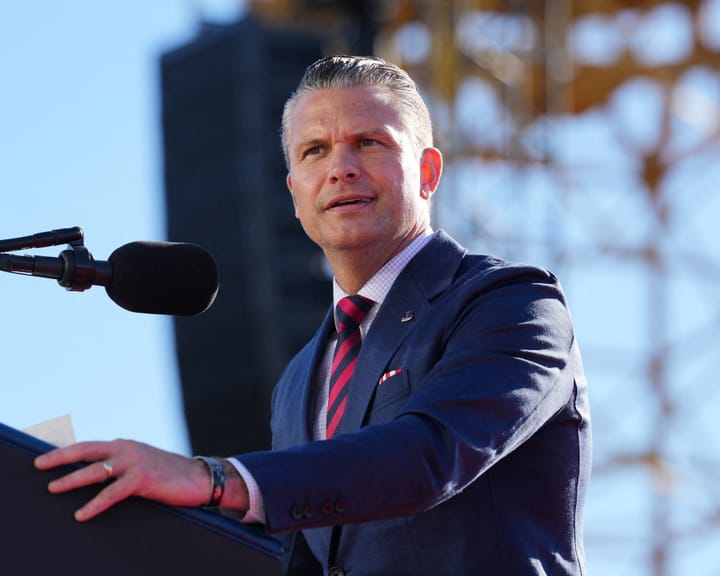
Pete Hegseth's proposal to stream executions aligns US with controversial nations.
If the US defense secretary, Pete Hegseth, proceeds with plans to livestream the execution of a soldier radicalized to extremist Islam, who killed 13 people at a military base in Texas, the US would join a group of lesser powers and rogue actors known for public executions in recent years.
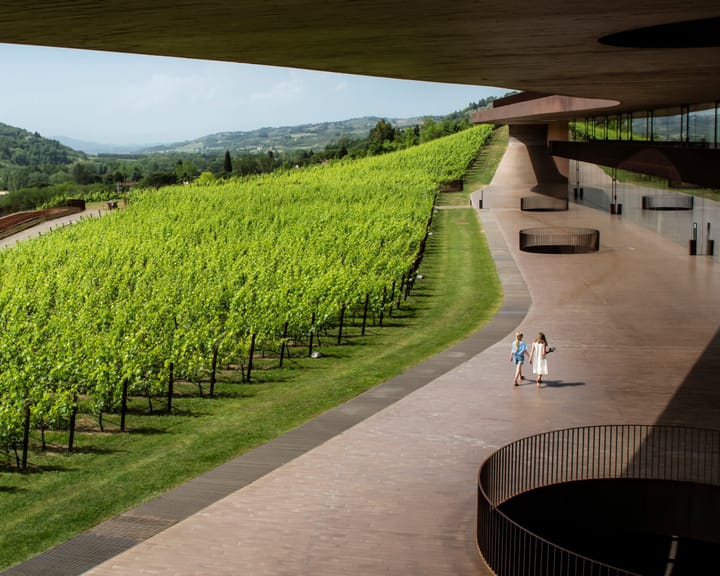
Criminals steal €5m from renowned Italian winery
In a significant theft in Tuscany, thousands of wine bottles valued at €5 million have been stolen from the renowned Marchesi Antinori winery, marking what is considered the largest heist of its kind in Italy. A group of at least seven masked individuals breached the winery's cellar in
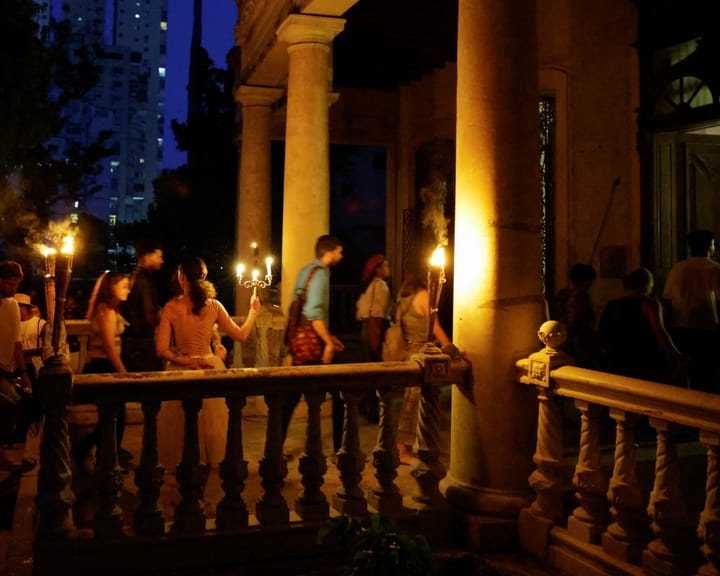
Illuminated Theater in Havana – A Photographic Journey
Widespread blackouts have become more frequent in Cuba since the US imposed energy sanctions in January. These outages often last longer than 24 hours as the aging electrical grid struggles to cope. The Impulso theatre group has been forced to adapt, as the power cuts present significant challenges for the