
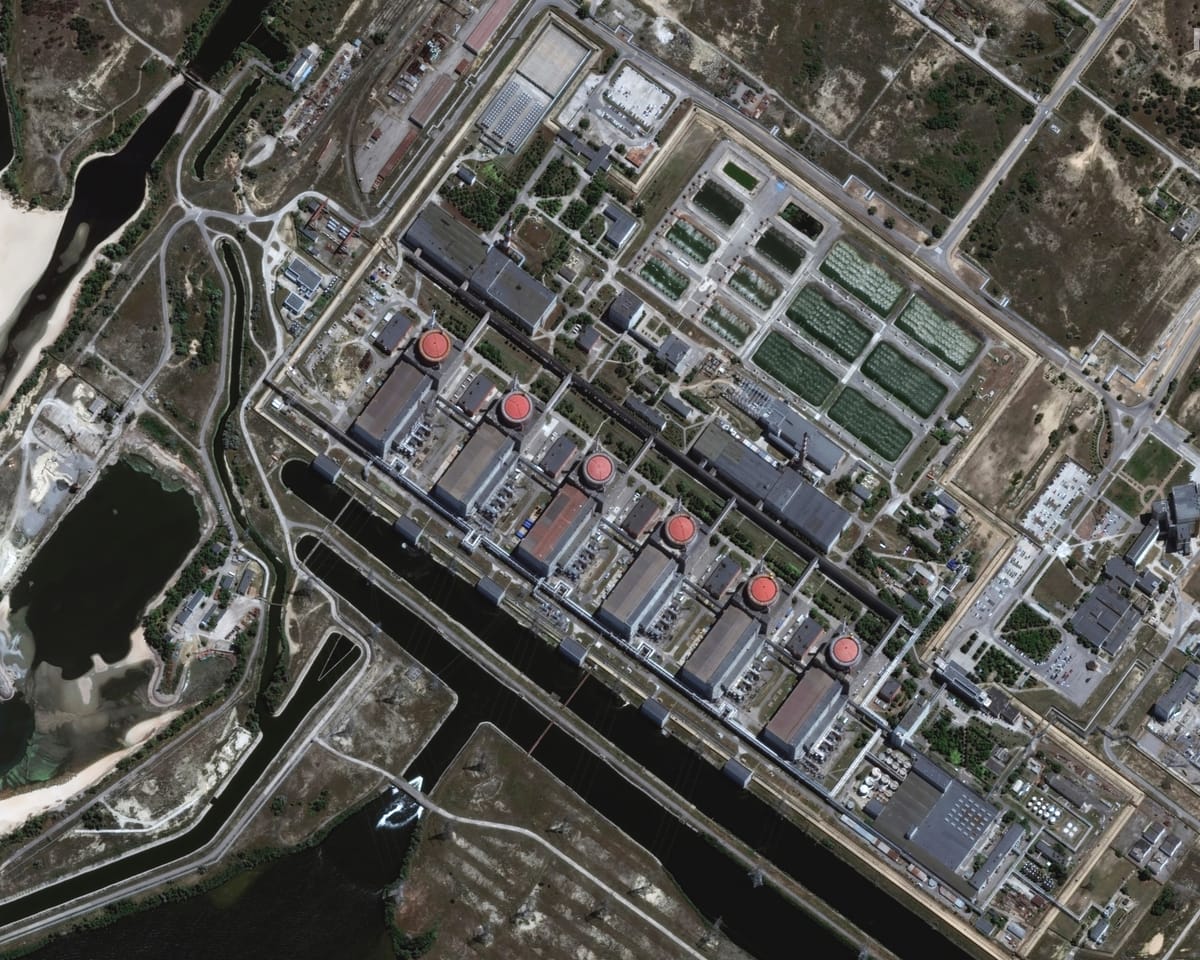
Power Disruption at Russian-Held Zaporizhzhia Nuclear Plant Raises Safety Concerns
The Russian-controlled Zaporizhzhia nuclear facility has been without external electricity for over three days, marking the longest such outage since the start of the Ukraine war. With no immediate repairs in sight, emergency generators have been activated to maintain cooling and safety systems after the last remaining power line was severed on the Russian side of the plant on Tuesday afternoon.
Rafael Grossi, head of the International Atomic Energy Agency (IAEA), called the situation “deeply troubling” on Wednesday and met with Russian President Vladimir Putin the following day, but no resolution has been reached.
Analysts and Ukrainian officials suspect that Moscow may be intentionally worsening conditions to strengthen its control over Europe’s largest nuclear plant. There are also concerns that Russia is attempting to reactivate at least one reactor despite the unstable wartime environment.
“Russia is treating the nuclear facility as leverage,” one Ukrainian official stated, while an environmental expert warned that the occupation has reached “a dangerous new stage with potentially disastrous consequences.”
Following the 2011 Fukushima disaster, European safety assessments determined that a nuclear plant should sustain operations for up to 72 hours without external power. Sources in Ukraine noted that exceeding this threshold is unprecedented and untested.
Russian forces took control of the facility in March 2022, halting its reactors—previously capable of supplying electricity to four million households—as a precaution.
While Ukraine asserts ownership of the plant, discussions about its future between Russian officials and Western leaders have surfaced in the past. Russia has expressed intentions to restart all reactors and integrate them into its energy network—a move experts believe would only be viable in peacetime.
This marks the tenth time external power has been cut at Zaporizhzhia. Previous outages were caused by Russian strikes on Ukrainian-held power infrastructure near the Dnipro River. The last functioning high-voltage line previously supplied power from Ukrainian territory to maintain safety.
This time, the damage occurred on the Russian-controlled side, approximately a mile from the plant. The site’s Russian management claimed that repairs are being hampered by Ukrainian military activity, an allegation dismissed by Kyiv, which denies targeting the plant, citing the extreme risks involved.
According to IAEA reports, Russian operators stated that backup diesel generators have enough fuel to operate for 20 days. However, Grossi warned that prolonged power loss raises the risk of a nuclear incident.
Currently, seven of the 18 available generators are maintaining cooling operations. If these fail, Ukrainian sources say the reactors’ nuclear fuel could overheat within weeks, potentially causing a meltdown.
Read next
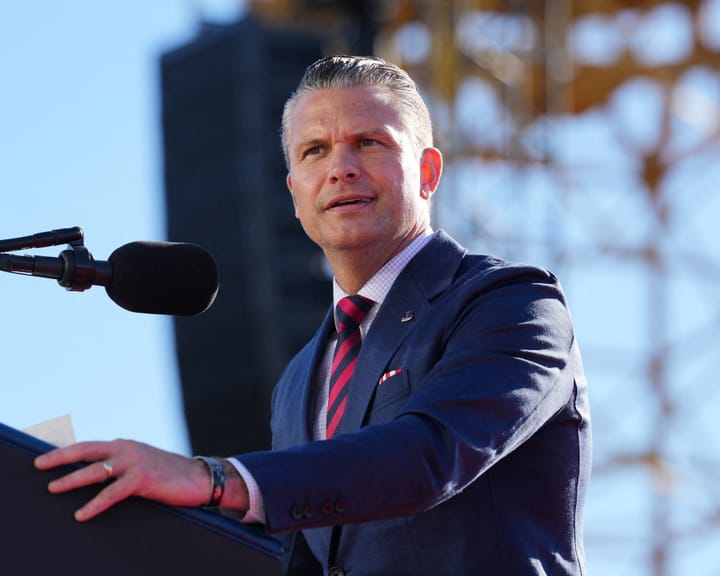
Pete Hegseth's proposal to stream executions aligns US with controversial nations.
If the US defense secretary, Pete Hegseth, proceeds with plans to livestream the execution of a soldier radicalized to extremist Islam, who killed 13 people at a military base in Texas, the US would join a group of lesser powers and rogue actors known for public executions in recent years.

Criminals steal €5m from renowned Italian winery
In a significant theft in Tuscany, thousands of wine bottles valued at €5 million have been stolen from the renowned Marchesi Antinori winery, marking what is considered the largest heist of its kind in Italy. A group of at least seven masked individuals breached the winery's cellar in
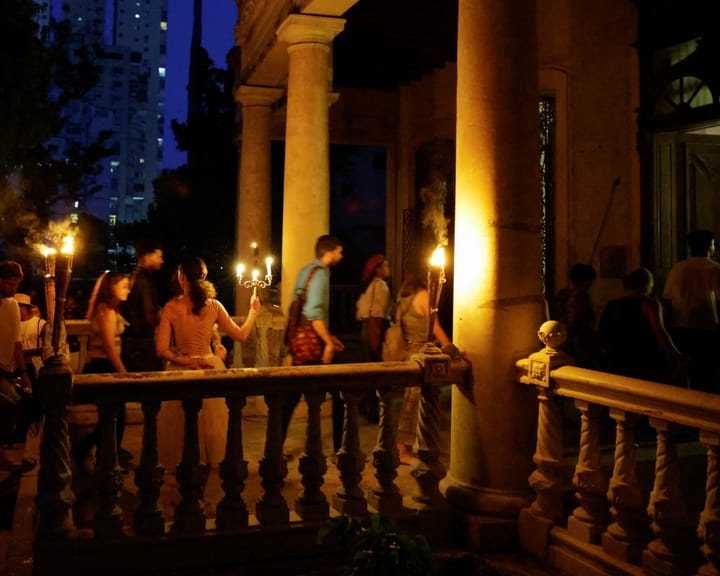
Illuminated Theater in Havana – A Photographic Journey
Widespread blackouts have become more frequent in Cuba since the US imposed energy sanctions in January. These outages often last longer than 24 hours as the aging electrical grid struggles to cope. The Impulso theatre group has been forced to adapt, as the power cuts present significant challenges for the