
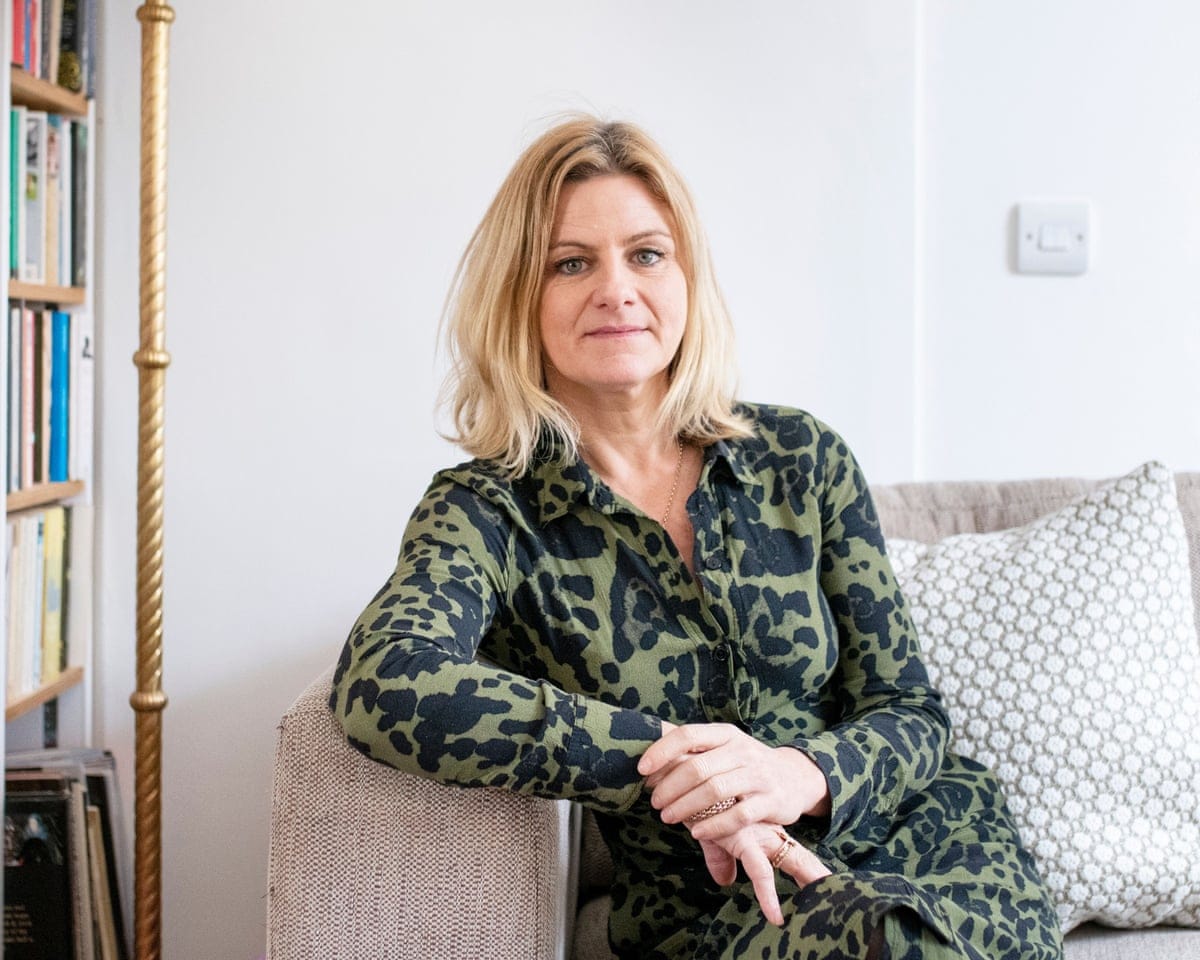
Zelda Perkins was 24 when—physically drained, emotionally shattered, and surrounded by lawyers—she finally signed the non-disclosure agreement (NDA) that legally barred her from speaking about Harvey Weinstein’s history of sexual misconduct. The oppressive force of that document stayed with her for years, casting a heavy burden over her life and affecting her health.
“Looking back at that moment, I never thought justice could be possible,” she says. Now, eight years after breaking her NDA and becoming an unintended advocate against them, Perkins believes accountability may finally be within reach. On Monday, in a move that surprised even longstanding activists, the UK government introduced extensive reforms to prevent employers from using NDAs to silence victims of abuse.
The next day, Perkins was still processing the news, but her excitement was unmistakable. “This is monumental,” she says. “It means abusers will have to alter their behavior—not out of fear of reprimand, but because they have no choice. There’s no place left for them to evade consequences.”
She acknowledges that the government’s approach has exceeded her hopes. If the measures remain unchanged, they will extend protections to gig-economy workers as well as permanent employees. Requests for NDAs must now come from complainants, not employers, and workers will be guaranteed access to legal counsel. Significantly, so-called “non-disparagement clauses,” often used after non-disclosure agreements became controversial, will not be allowed in abuse cases.
“It’s remarkably bold; if these changes are enacted as promised, they will set a global precedent,” says Perkins, who launched the Can’t Buy My Silence campaign in the UK to challenge abusive NDAs in 2021. The initiative asserts that while NDAs may be warranted for safeguarding intellectual property or commercial data, they have frequently been misused to suppress victims of harassment, particularly in industries like retail and hospitality where workers are more vulnerable.
“For the first time, I feel a real sense of hope—as though freedom is within reach,” she says. “But the legislative process is long. The work isn’t over yet, and we have to keep pushing forward.”
Perkins also highlights the broader significance of these changes, particularly against a backdrop where inclusion and diversity efforts face resistance in some countries. Over 27 U.S. states, a Canadian province, and Ireland have introduced similar reforms—yet businesses remain hesitant.
Recently, two multinational firms that pledged not to use NDAs in abuse cases declined to announce their commitment, fearing possible backlash. “With progress elsewhere being rolled back, Britain taking the lead here is incredibly important,” she says.
Read next
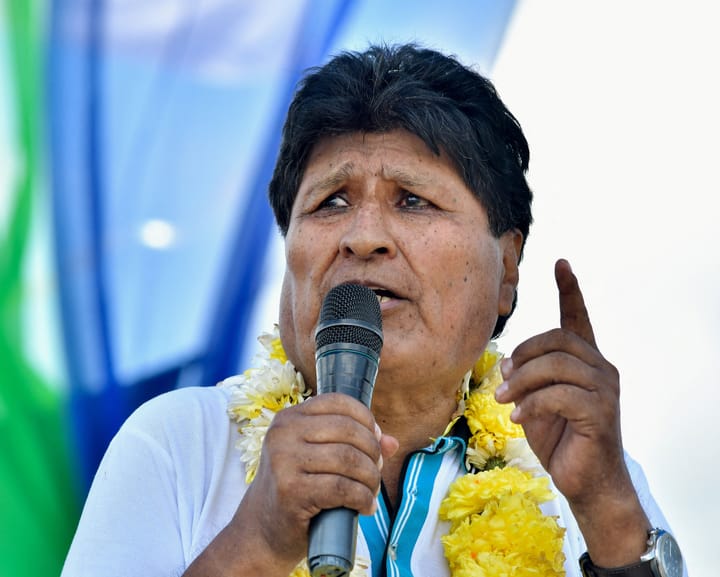
Bolivia Probes Ex-President Evo Morales for Suspected Involvement in 2009 Killings
The Bolivian attorney general has initiated an investigation into former leftist president Evo Morales, citing allegations of his involvement in the murder and torture of European nationals in 2009.
In 2009, police conducted a raid on a Santa Cruz hotel, resulting in the deaths of Eduardo Rózsa Flores, a Bolivian-
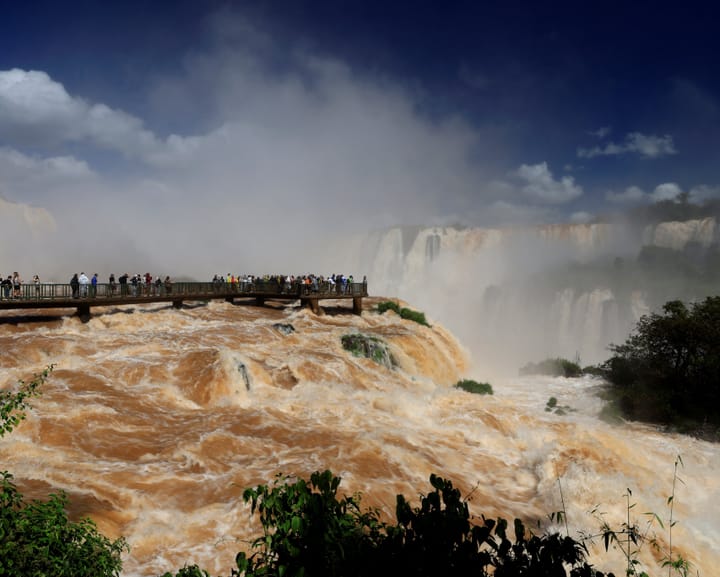
Argentina Closes Iguazu Falls Temporarily Due to El Niño-Induced Water Surge
Heavy rainfall driven by a potent El Niño weather pattern temporarily led Argentinian authorities to close tourist access to the renowned Iguazu Falls. The closure occurred due to concerns that rising water levels might cause the river to overflow its banks.
On Monday, national park officials implemented this precautionary measure
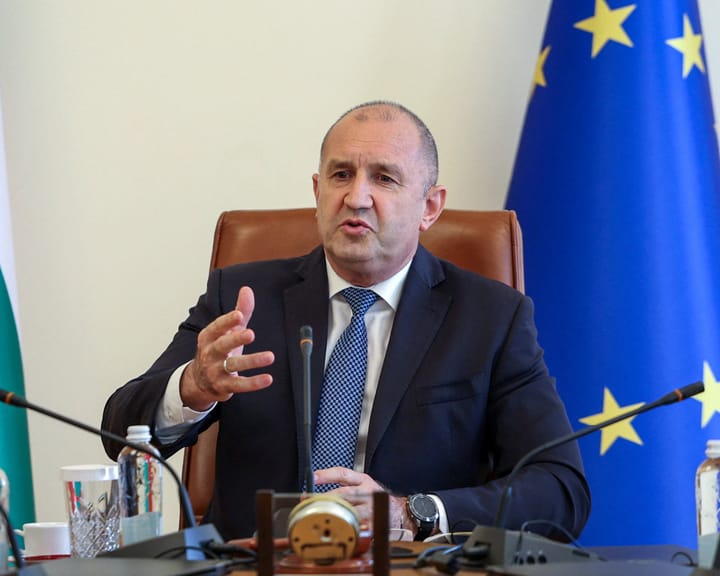
Mysterious Drones Strike Two Vessels Near Bulgarian Coast – Europe Live
Morning Update: Two Ships Targeted by Drones Off Bulgarian Coast
This morning, two ships in the Black Sea near Bulgaria were struck by drones of unknown origin. The attack led to the sinking of one vessel and initiated emergency rescue operations, as reported by Bulgarian Prime Minister Rumen Radev. Rescue