
Just over a year ago, Laurence des Cars – the intellectually sharp (if notoriously irascible) former director of the world’s largest and most‑visited museum – sent a rather stark memorandum to her superior, France’s culture minister.
Des Cars, who on Tuesday stepped down as president of the Louvre, warned of the severe deterioration affecting the landmark’s buildings and galleries.
She noted that the Louvre was jammed with visitors, that its facilities were inadequate, its equipment antiquated, that water was leaking through ceilings, and that sharp temperature fluctuations were harming works of art. In her view the museum had reached a “worrying level of obsolescence”.
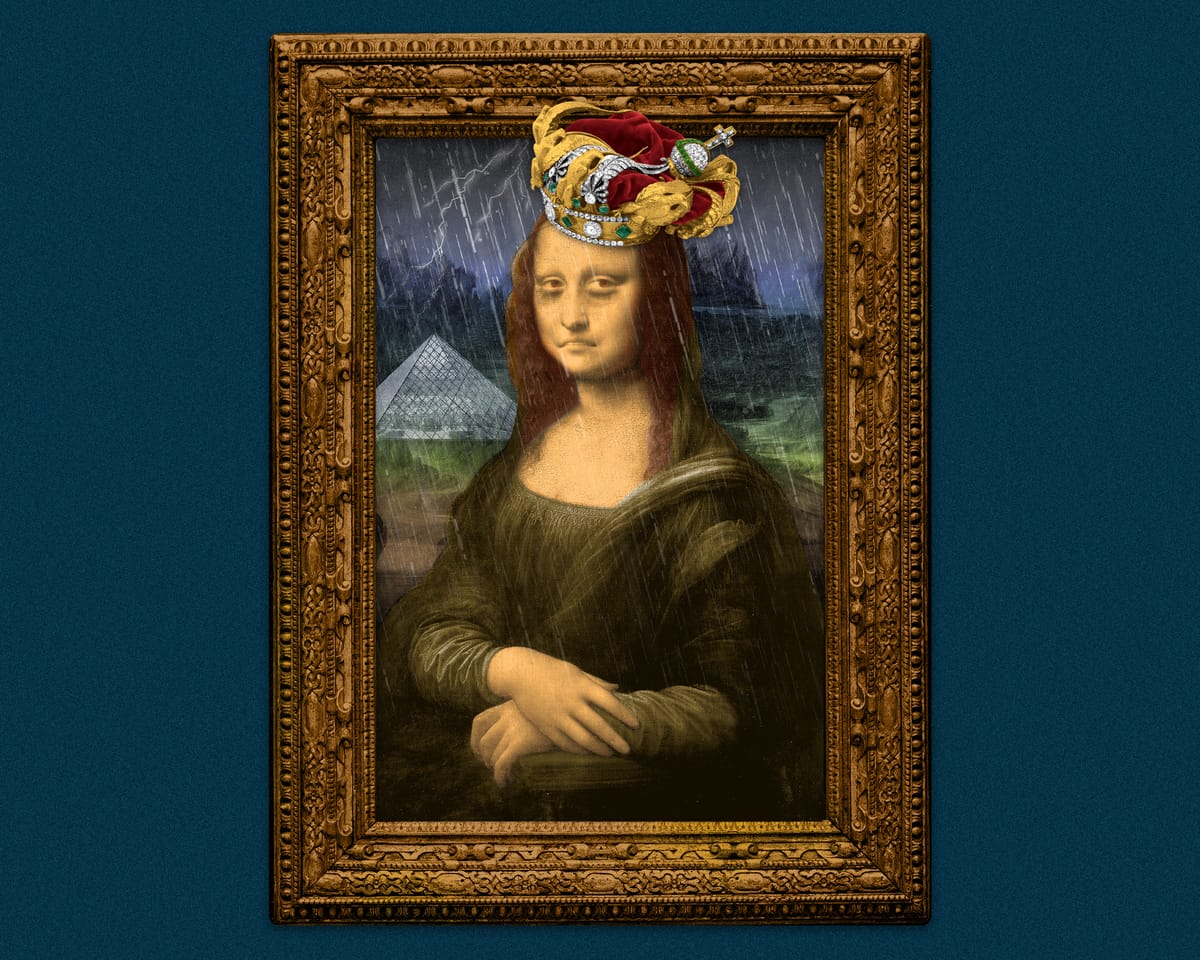
She also offered a remedy. Less than a week later, the first woman to head France’s most celebrated cultural institution appeared beside Emmanuel Macron in front of the museum’s most famous drawing, the Mona Lisa, as the president announced Louvre : New Renaissance, a €1 billion scheme to refurbish the site.
Des Cars’ immediate outlook, and that of the Louvre, seemed secure. The following year, however, brought a series of setbacks: rolling staff strikes, a decade‑long ticket‑fraud scandal, a cascade of aging‑infrastructure problems and, most dramatically, a daylight robbery that removed €88 million (£77 million) of crown jewels.
There is little dispute that the Louvre requires work. Spread over a 360,000‑square‑metre complex, it functions as a city within a city. Originating as a solid 12th‑century fortress, it was transformed into a gilded royal palace in the 16th century and, after the French Revolution, became a museum in 1793.
Its layered architecture comprises more than 400 rooms and roughly nine miles of corridors. The collection exceeds 600,000 objects, of which about 35,000 are on permanent display, making it the world’s largest museum – a purpose for which it was never originally designed.
In its present form the Louvre is meant to accommodate around four million visitors a year. Last year, buoyed by marquee pieces such as the Mona Lisa, the Venus de Milo and the Winged Victory of Samothrace, it attracted nine million.
Action was therefore inevitable. The question was what form it should take and how much it should be driven by the projection of state cultural influence (and presidential self‑promotion).
Beyond essential repairs and visitor‑experience upgrades, des Cars’ plan – supported by Macron – proposes giving Leonardo da Vinci’s celebrated portrait its own room with separate access.
Achieving this will require excavating large new exhibition spaces beneath the Cour Carrée, the museum’s eastern courtyard, and adding a “new grand entrance” at the Colonnade de Perrault on the same side.
Critics, numerous in number, label the scheme pharaonic. The projected cost, now over €1.1 billion, has drawn sharp rebuke from the state auditor and Louvre staff who argue the funds could be allocated more wisely. Specialists question the true purpose.
“It’s unnecessary, and it’s harmful,” said Didier Rykner, editorial director of La Tribune de l’Art.
Read next
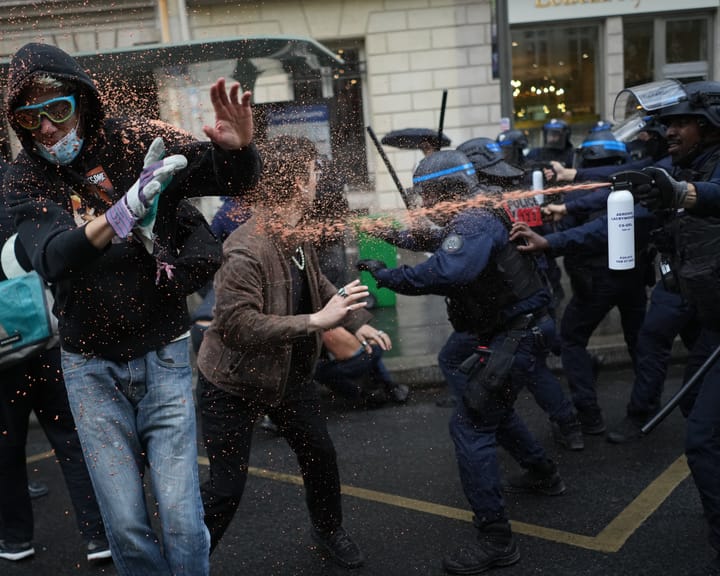
French Minister Refutes Police Brutality Claims Amid Ongoing Student Protests Across France – Europe Live
In recent developments, French Interior Minister Laurent Nuñez has refuted claims of excessive police force during the ongoing student protests in France. He emphasized that police action is only taken in response to violence or property damage. Addressing lawmakers, Nuñez described the protests as "unprecedented" due to the
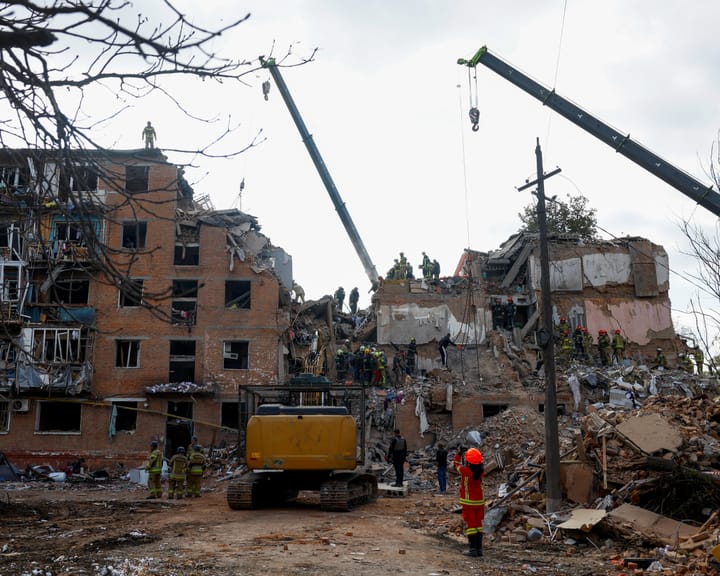
Ukraine Reports Russia Bombed Apartment Building Coinciding with Putin's Birthday
Volodymyr Zelenskyy has accused Russia's military of deliberately targeting civilians and bombing residential buildings as a grim gift for Vladimir Putin, who celebrates his 74th birthday on Wednesday.
Ukraine’s president described Russia’s overnight drone and missile strikes, which killed at least 24 people, as “despicable.” “The
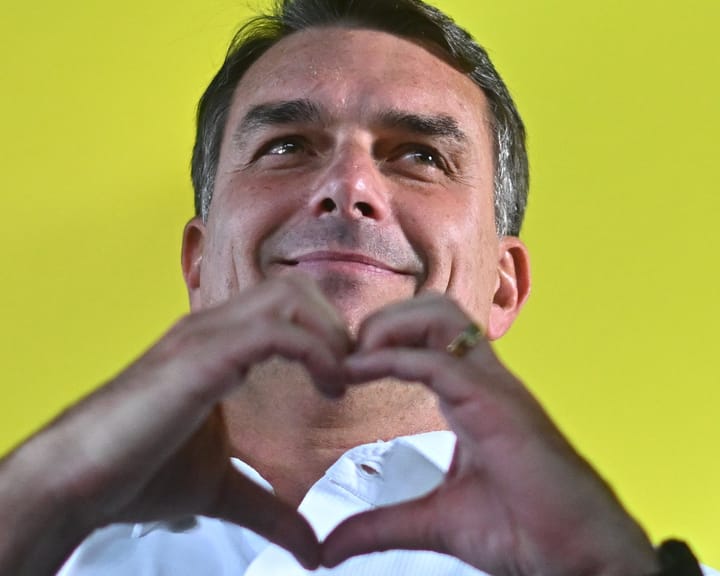
Fears of 'another coup d'état' grow as Flávio Bolsonaro vows to 're-democratise' Brazil
Flávio Bolsonaro, the leading candidate for Brazil's presidency, has promised to "re-democratise" the nation, raising concerns about potential authoritarian governance should he win. Brazil transitioned to democracy in the 1980s after a harsh 21-year dictatorship, a period lauded by Flávio's father, former