
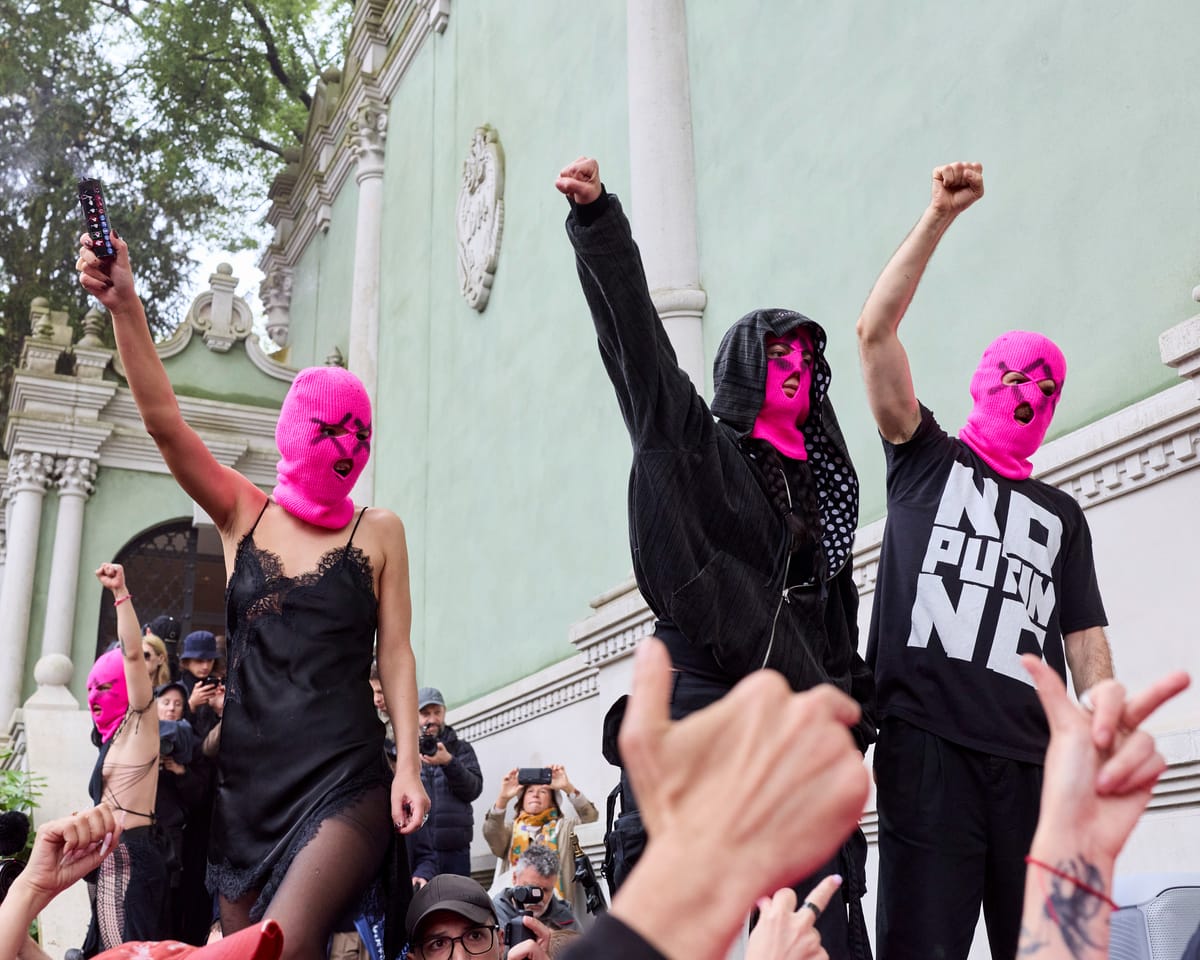
Are the arts being drowned out by politics? A few days before Europe’s biggest cultural week, that impression is hard to shake. The Venice Biennale opens its doors to the public on Saturday, yet the run‑up conversation has centred far more on which national pavilions will be accessible – or barred – than on the works they will house.
The building that hosts the Russian national representation was opened for press previews on Tuesday, blasting techno for the first time since the full‑scale invasion of Ukraine. Biennale president Pietrangelo Buttafuoco made the call despite the Italian government’s objections, a move that could jeopardise €2 million of EU funding for violating the festival’s ethical standards. Russia has skipped the last two editions because of its war in Ukraine. Its pavilion will stay closed to the public when the Biennale fully opens on 9 May, a step a Ukrainian official described to CuriosityNews as “meaningful,” after the Biennale’s jury resigned en masse in April in protest against entries from states whose leaders face international arrest warrants.
The Israeli pavilion will remain open, despite protests from 200 participating artists, curators and art workers who argue that its presence legitimises a state accused of genocide and cultural erasure. The South African pavilion will display nothing, but the artist originally slated to fill it will exhibit her work in a nearby church after the national government blocked it on flimsy grounds; the piece honours a Palestinian poet killed in an Israeli airstrike. Meanwhile, the Iranian pavilion will stay shut – a decision Tehran announced a day before the press preview without explanation, widely interpreted as linked to its tensions with the United States and Israel.
The actual art has become a sideshow. For the first time in four decades there will be no Golden or Silver Lion awards, because the awarding jury resigned collectively after initially refusing to grant a prize to Israel or Russia, both of which face charges of crimes against humanity before the International Criminal Court.
Polarising art
A similar pattern emerges at the Eurovision Song Contest, which gears up for its Tuesday and Thursday semi‑finals and the grand finale in Vienna on 16 May. If the favourites are unclear, it is because the debate has focused on which countries will skip the 70th anniversary of the world’s largest live music event: Ireland, Spain, the Netherlands, Iceland and Slovenia are staying home in protest over Israel’s participation.
Yet there is a counter‑argument to the claim that political polarisation silences discussion of artistic merit. This viewpoint is set to unfold next Wednesday on the Côte d’Azur, where this year’s Cannes festival has so far been marked by a near‑silence on the films themselves, as attention drifts to the geopolitical backdrop surrounding the selections.
Read next
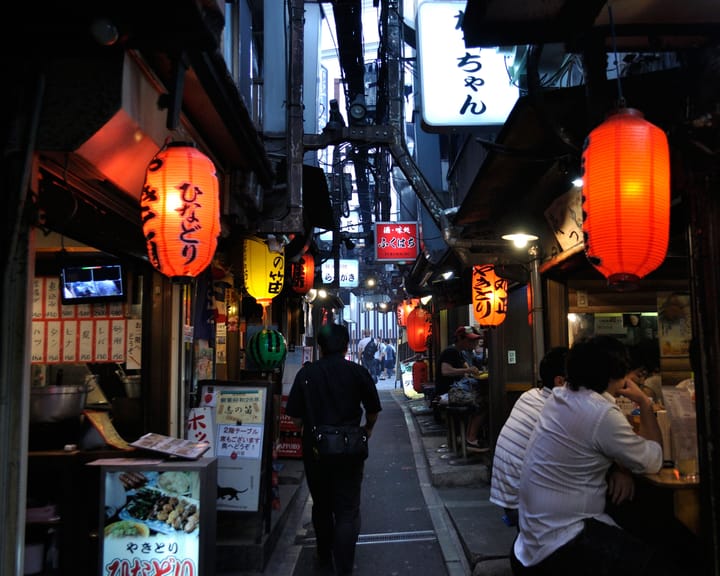
Tokyo tourist hotspot outlaws short-term rentals amid complaint surge
Shinjuku Ward, Tokyo, has moved to ban short-term rental accommodations in residential areas and near schools and important cultural sites, following a slew of complaints about visitor behaviour. The decision, to be enacted through a local ordinance, marks the latest sign that Japan’s patience with mass tourism is
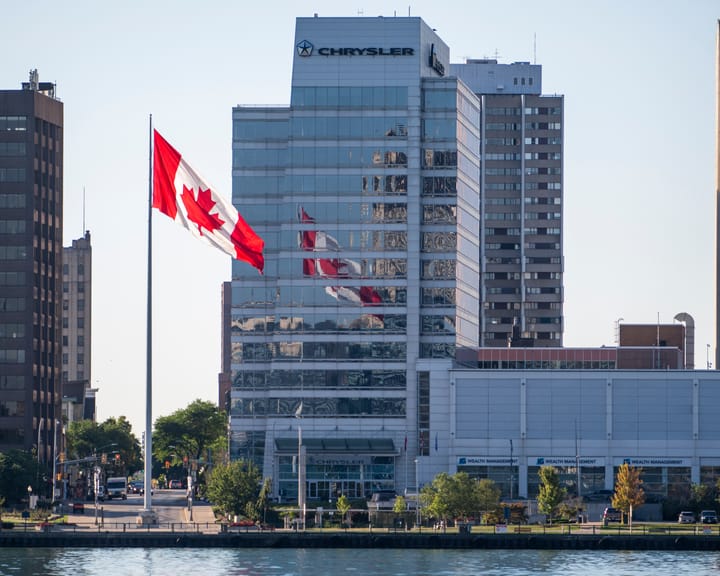
Canada implements retaliatory US tariffs as trade dispute intensifies
Canada’s retaliatory tariffs on about $20 billion worth of American imports took effect at 12.01am on Tuesday, ranging from 15% to 50% and applying to steel, dairy, appliances, agricultural equipment, pulp and paper, and electronics. The measures, a response to the United States’ 50% tariff on $20 billion
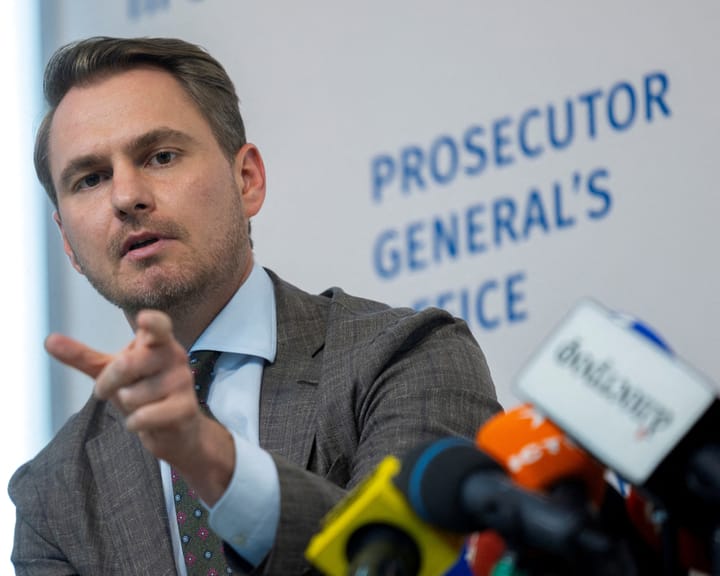
Prosecutor general resigns amid political turmoil in Kyiv during Ukraine war
Ukraine’s prosecutor general Ruslan Kravchenko resigned amid corruption accusations after anti-graft officers searched his offices at the weekend. He called the allegations “completely unsubstantiated” and denied wrongdoing. The National Anti-Corruption Bureau (NABu) and Specialised Anti-Corruption Prosecutor’s Office (Sapo) announced Saturday they uncovered a money-laundering