
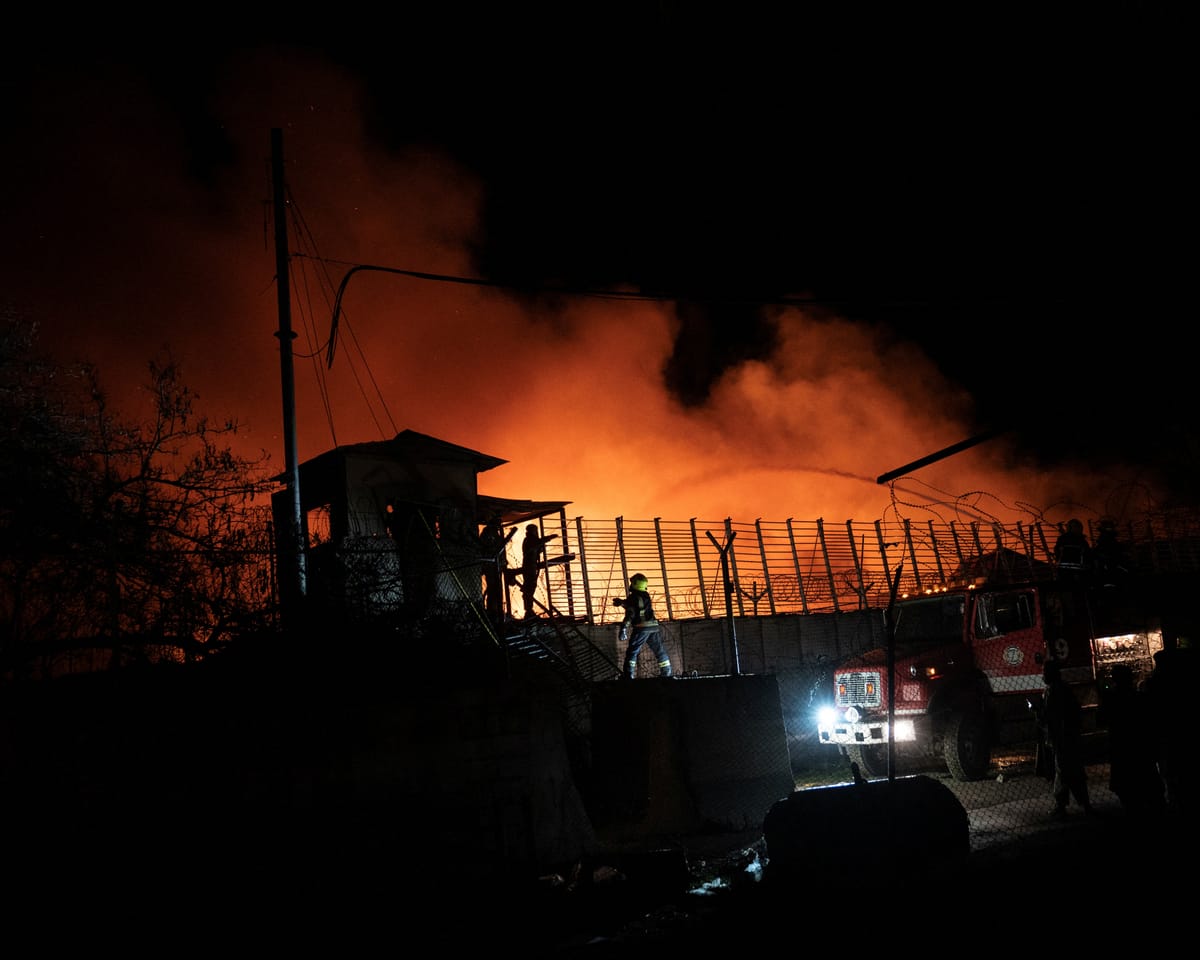
Significant losses were feared in Kabul after a clinic for drug addicts was struck by air raids, an attack that the Afghan authorities attributed to Pakistan’s military.
Pakistan rejected the charge, stating that the Monday strikes – which were also carried out against eastern Afghanistan – did not hit any civilian facilities.
Sharafat Zaman, spokesperson for the health ministry, gave an initial death count of 200 during a televised interview with local media that was posted on X. He said every part of the drug‑treatment centre had been destroyed.
Afghanistan’s government spokesman, Zabihullah Mujahid, also shared the video interview. Local TV channels aired footage of firefighters battling flames amid the wreckage of the building.
AFP reporters on the scene counted at least 30 bodies as medical crews tended to the injured, who were taken to several hospitals for care, according to a source involved in the rescue effort.
The alleged strike came hours after Afghan officials said the two sides had exchanged fire along their shared border, killing four people in Afghanistan, as the deadliest clashes between the neighbours in years entered a third week.
Mujahid had earlier condemned the strike on X, before the death toll was known, saying it violated Afghan territory. He said most of those killed and wounded were patients receiving treatment at the centre.
A spokesperson for Pakistan’s prime minister, Shehbaz Sharif, dismissed the accusations as unfounded, saying no hospital was targeted in Kabul.
In a post on X, Pakistan’s ministry of information said the strikes “precisely targeted military installations and terrorist‑support infrastructure, including technical equipment storage and ammunition depots of the Afghan Taliban” as well as Afghanistan‑based Pakistani militants in Kabul and Nangarhar, claiming the sites were being used against innocent Pakistani civilians.
It added that Pakistan’s targeting was “precise and carefully undertaken to ensure no collateral damage is inflicted.” The ministry called Mujahid’s claim “false and misleading,” alleging it was meant to stir sentiment and to mask what it described as “illegitimate support for cross‑border terrorism.”
Dejan Panic, Afghan director of the Italian NGO Emergency, said the organization had received three bodies after the Monday night strike and was treating 27 wounded.
Witnesses described severe damage to the hospital structure, with sections collapsing after the blast. Firefighters struggled to control the fire while rescue teams sifted through the rubble for survivors. Rescue work was hampered overnight by limited visibility.
“We were inside the wards when the explosion happened,” said Yousaf Rahim. “My bed was in the corner, and I suffered injuries to my leg and thigh. It was a horrific scene. Patients fell from their beds, screaming and running as fire and smoke filled the wards and rooms.”
“Thick smoke and dust spread throughout the hospital,” he added.
Read next
Live Middle East crisis: Iran promises retaliation for security chief's death; Israel hints at imminent strike on Beirut
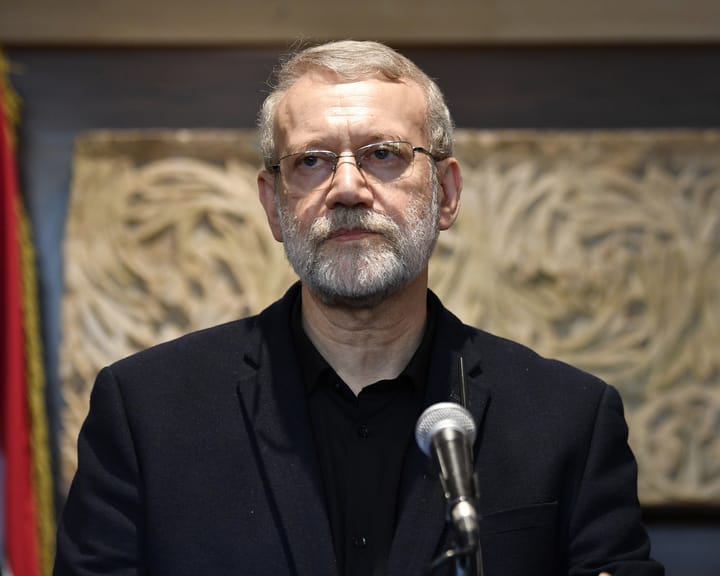
Iran’s armed forces pledged retaliation for the death of security chief Ali Larijani in an Israeli strike, with the army commander warning of a “decisive and regrettable” response.
Tehran also verified that Basij commander Gholamreza Soleimani was killed, after Israel had earlier asserted that its forces carried out the
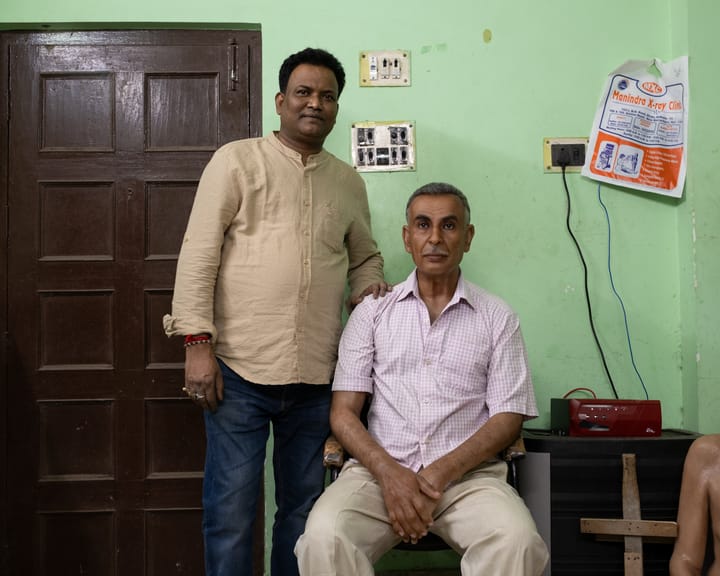
‘Almost human’: life-size replicas of the dead aid broken hearts in India
In northern Kolkata, close to Dum Dum Junction, Subimal Das and a team of about 80 operate out of an aging factory‑warehouse. With clay, fiberglass and silicone they produce life‑size copies of religious deities, cultural personalities, cricketers and film actors.
The workshop also offers a growing service: bespoke
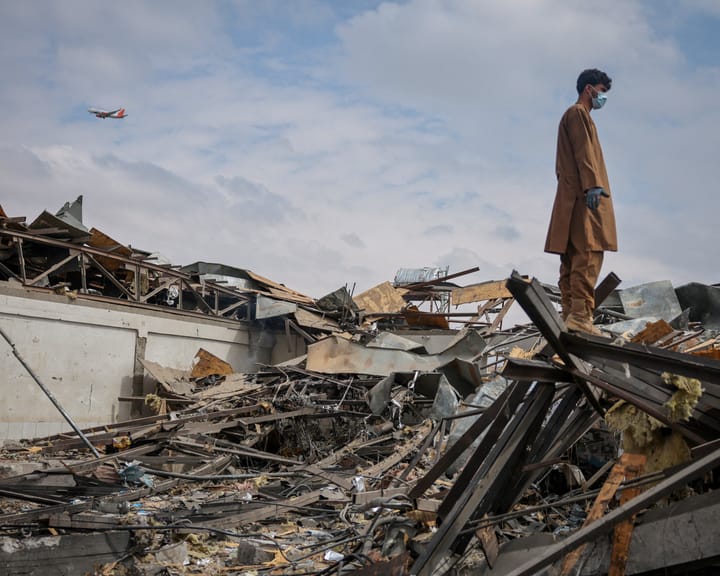
Witnesses say “Everything and people were burning” after strike on Kabul drug rehab centre.
Eyewitnesses and survivors have recounted the dreadful aftermath of a Pakistani air strike that struck a drug‑rehabilitation centre in Kabul, leaving more than 400 people dead, many of whom burned in their beds or were crushed as the structure collapsed.
Afghan rescue teams continued to pull bodies from the