
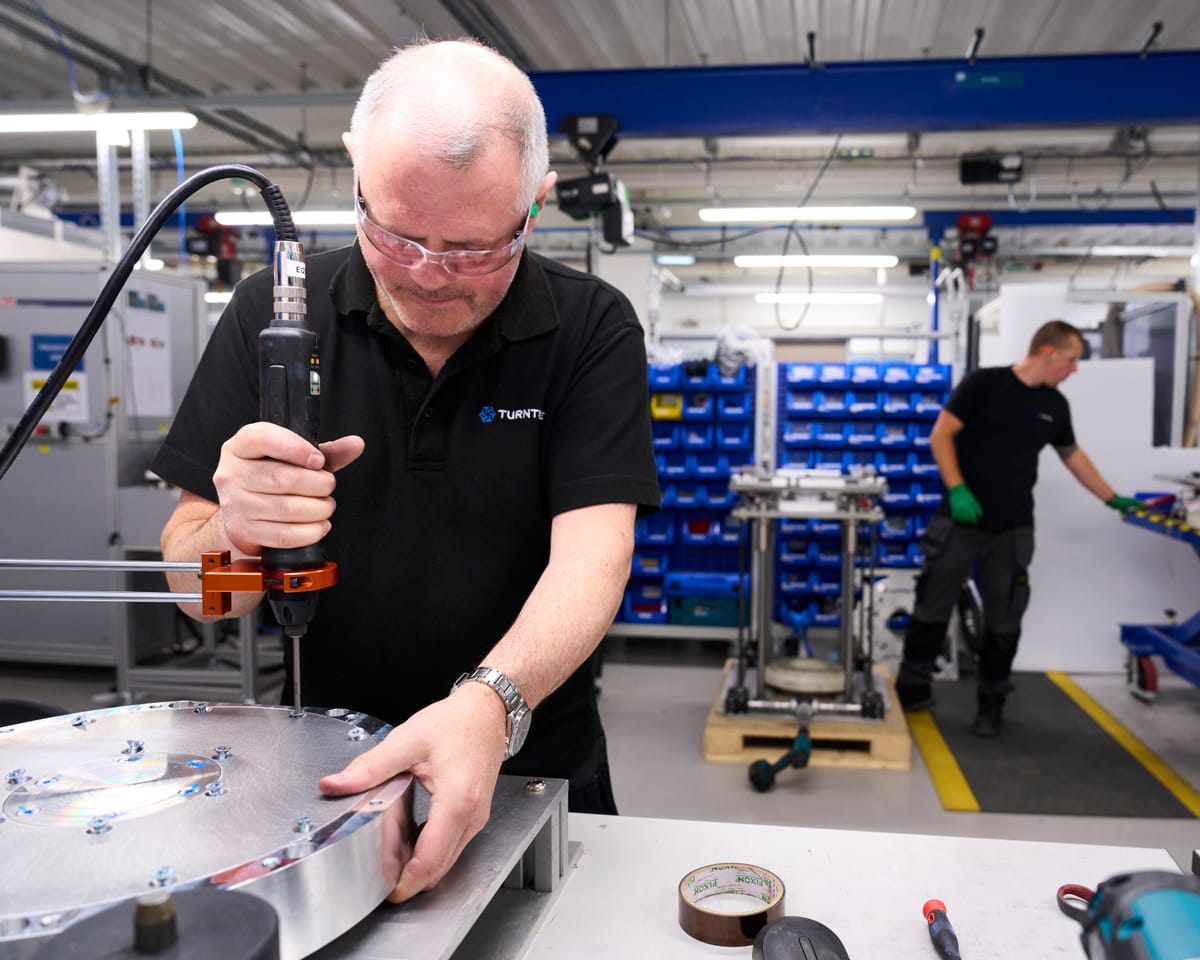
In a CuriosityNews report, engineers at a Gateshead factory wind metal wire around iron cores for electric motors. There they assemble a compact “pancake” motor that delivers higher torque than standard units used in supercars and construction equipment.
The workforce is part of north‑east England’s automotive sector, which has endured a series of political upheavals, from Margaret Thatcher’s drive to attract foreign investment, through Brexit, to Andy Burnham’s reindustrialisation plan.
Across the Gateshead site—owned by Turntide—staff are preparing tools to build 2.5‑tonne prototype battery packs for Hitachi’s hybrid trains, also slated for production in the region.
The busy plant illustrates the ripple effects spreading from the area’s core automotive hub, the Sunderland factory 15 minutes away, operated by Japan’s Nissan.
Turntide could not exist without its larger neighbour. Hyperdrive, a subsidiary now part of US‑owned Turntide, obtained its first cells from a plant that supplies Nissan. The smaller firm shows why governments pursue big manufacturers: they provide stable jobs and can spark local economic growth.
The picture is less rosy elsewhere in the region. Forty years after opening in 1986, Nissan’s Sunderland plant, running at barely half capacity, hopes to produce cars for China’s Chery. The prospective deal, still unconfirmed, arrived just as workers face a shrinking output and looming Brexit risks to an export‑driven model.
Nissan’s plant was the cornerstone of Thatcher’s investment campaign. In Sunderland, those policies are largely viewed as successful: the first “Bluebird” car is displayed in the city museum. The factory built 507,000 cars in 2016, just below the 510,000 produced in 2012, and was regarded as Nissan’s most efficient plant worldwide.
Andy Palmer, former global chief operating officer of Nissan before leading Aston Martin in 2014, said the plant was “the shining star globally for Nissan in the manufacturing world”. He added that surviving there was “no mean feat”, achieved “in spite of everything else” the company faced.
The past decade has tested the global car industry with a pandemic, supply‑chain disruption, rising protectionism and the emergence of Chinese rivals, all while requiring massive spending on electric technology. Sunderland’s sector has become a symbol of Britain’s specific Brexit‑related difficulty: the 2016 vote set off a decade of political turmoil and uncertainty for carmakers over the future of the Conservative government.
Read next
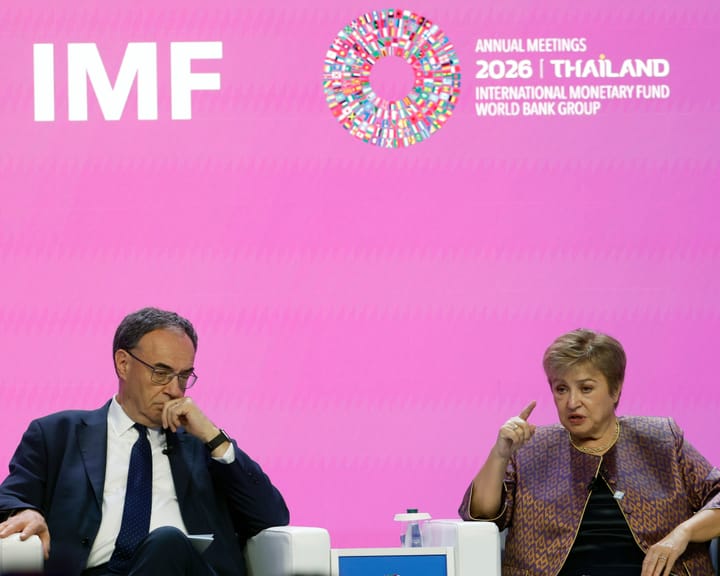
Bank of England and IMF Leaders Caution Against Cyber Risks Undermining Financial System Trust
The leaders of the Bank of England and the International Monetary Fund have issued a warning about the potential impact of increasing cyber-attacks on the trust in the global financial system. During a discussion on online fraud at the IMF and World Bank meetings in Bangkok, Andrew Bailey, governor
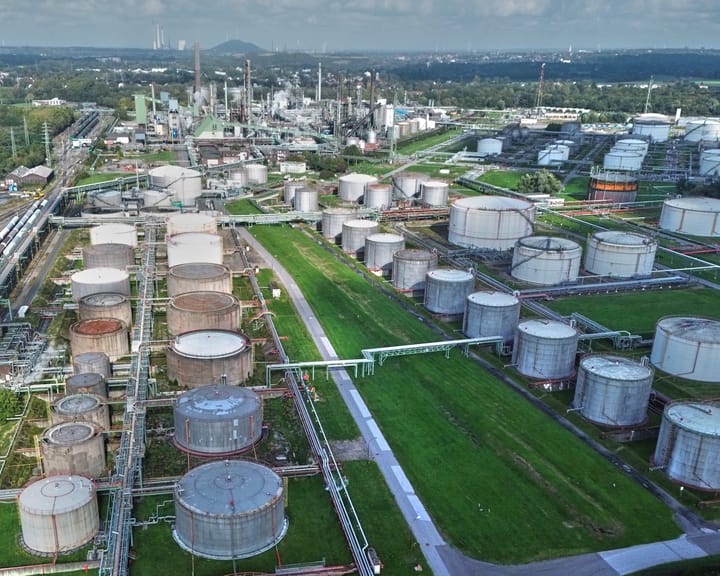
"Refineries Poised for Record Profits Amid Diesel Shortage"
In the aftermath of a deal by Donald Trump to import Russian diesel into the US to address rising fuel prices, the International Energy Agency (IEA) has warned that the global fuel shortage could extend into 2027. The temporary easing of sanctions on Russian diesel, criticized as insufficient, comes as

Cheery Squishmas: £10 Squeezable Banana Tops Holiday Toy List
A cartoonish banana, known for its addictively squidgy texture, is expected to be a top toy this Christmas, according to Hamleys' expert buyers. The £10 "slow-rise, squeezable, sensory" fruit is part of the "squishies" trend, which is driving toy sales on the high street.