
The Early Promise That Faded Fast
It began with such promise. Then, everything unraveled.
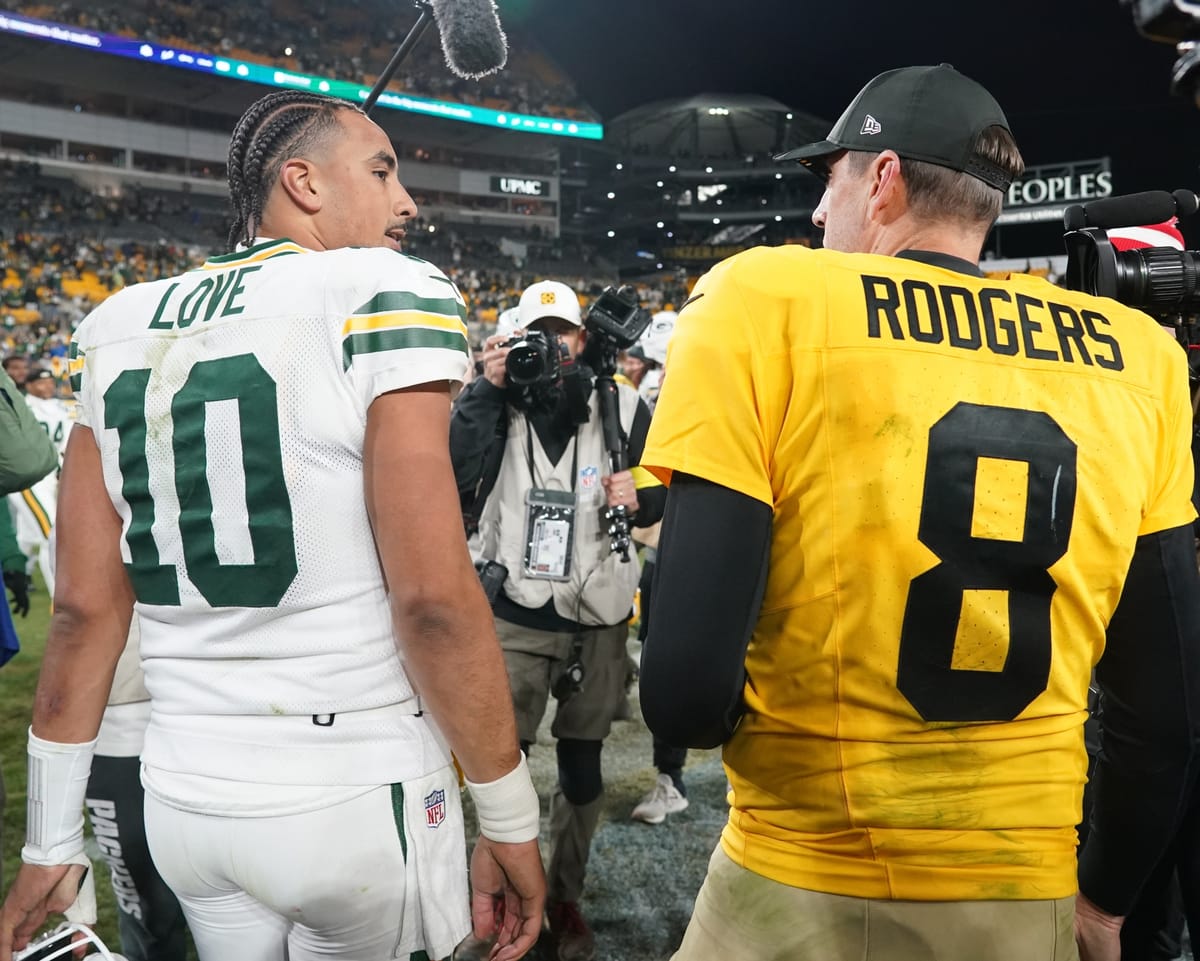
For two quarters, it seemed Aaron Rodgers might craft one of those signature performances, the kind that ends with a knowing smile and a reminder of his ability to keep pace with the league’s rising stars. Facing Green Bay for the first time in his career, where he spent nearly 20 years, earned four MVP awards, and secured a Super Bowl victory, the stage was set. But the NFL rarely dwells on sentimentality.
The Packers’ 35-25 victory over the Steelers revealed something deeper: a snapshot of where both teams—and both quarterbacks—currently stand.
At halftime, the Steelers led 16-7. The game suited their pace. Their rushing attack was effective, Rodgers distributed the ball well, and kicker Chris Boswell connected on three field goals from beyond 50 yards.
Yet the momentum shifted in the third quarter. The Packers boast a young, quick defense, featuring standout players at every position. For the next two quarters, they exposed Rodgers’ limitations. Up front, Micah Parsons overpowered multiple blockers. In the middle, Edgerrin Cooper and Quay Walker covered ground swiftly, delivering hits at every turn. Behind them, the Packers’ secondary, averaging just 26 years old, closed fast, anchored by safety Xavier McKinney.
The contrast was stark. Rodgers’ Steelers operate with a different approach: physical, deliberate, structured rather than improvisational. Their offense relies on heavy personnel sets, prioritizing the run game and counting on Rodgers to deliver in key moments. The system thrives when executed precisely, but when disrupted or facing long downs, Rodgers can no longer single-handedly alter the course of a game.
At 41, the signs are evident. His mind still spots opportunities, but his body struggles to respond. The creativity that once defined him—the ability to evade pressure, reset, and make something out of nothing—has diminished. Rodgers remains among the league’s most efficient passers, excelling in quick throws. He ended the night with 24 completions on 36 attempts for 219 yards and two touchdowns. Yet that precision is a mere shadow of his former brilliance.
Occasional flashes remain, like his early deep throw to Roman Wilson along the sideline. It was a glimpse of vintage Rodgers—escaping the pocket, buying time, and launching a strike past defenders. Later, he connected with DK Metcalf on a slant for a touchdown, a throw made effortless by nearly two decades of repetition.
That version of Rodgers can still make an impact. He can still win games. But after halftime, the Packers’ defense elevated their play. They challenged Rodgers to extend plays, leave the pocket, and create on the fly. He couldn’t answer.
In the second half, Rodgers’ focus often fixated on Parsons, even when other options were available or Parsons wasn’t nearby. The Rodgers of old would have moved and found openings.
Read next

Marathoner Sebastian Sawe Pushes for Frequent Doping Tests
Kenyan Runner Calls for Rigorous Doping Scrutiny Amid National Crisis
When elite marathon athlete Sabastian Sawe recently declared doping “a cancer,” his conviction carried uncommon weight. Not only did he affirm his own integrity, but he also proactively requested intensified testing by the Athletics Integrity Unit (AIU) ahead of Berlin’

Lando Norris Claims F1 2025 Honors After Hard-Fought Three-Way Battle
Lando Norris entered the season as the anticipated leader and ultimately prevailed after an intense competition. Claiming his first championship proved challenging, given the fierce challenge from McLaren teammate Oscar Piastri and Red Bull’s Max Verstappen. His final victory reflected a driver who held composure and belief even when
Dropped chances cost England as Australia builds lead in second Ashes Test
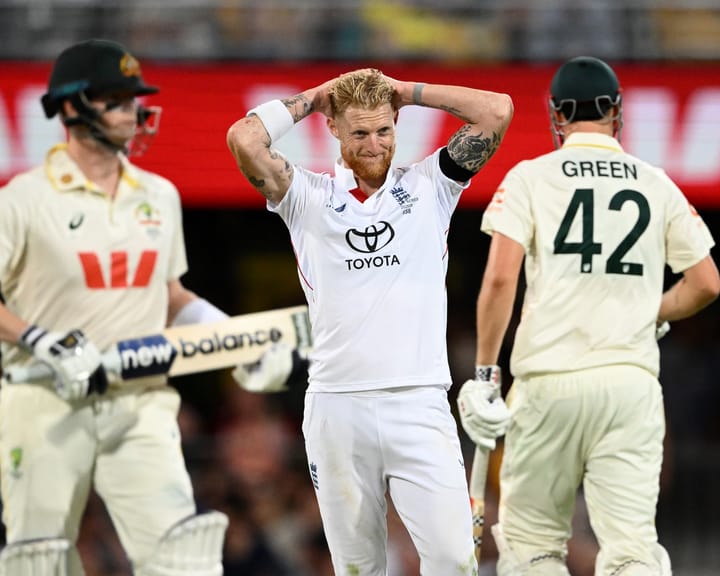
The ball was pink and the intervals unconventional, but much of the second day in this crucial day-night Test saw England’s supporters endure a drearily familiar spectacle at the Gabba.
The celebration following Joe Root’s century 24 hours earlier faded, replaced by growing unease. England’s bowlers frequently