
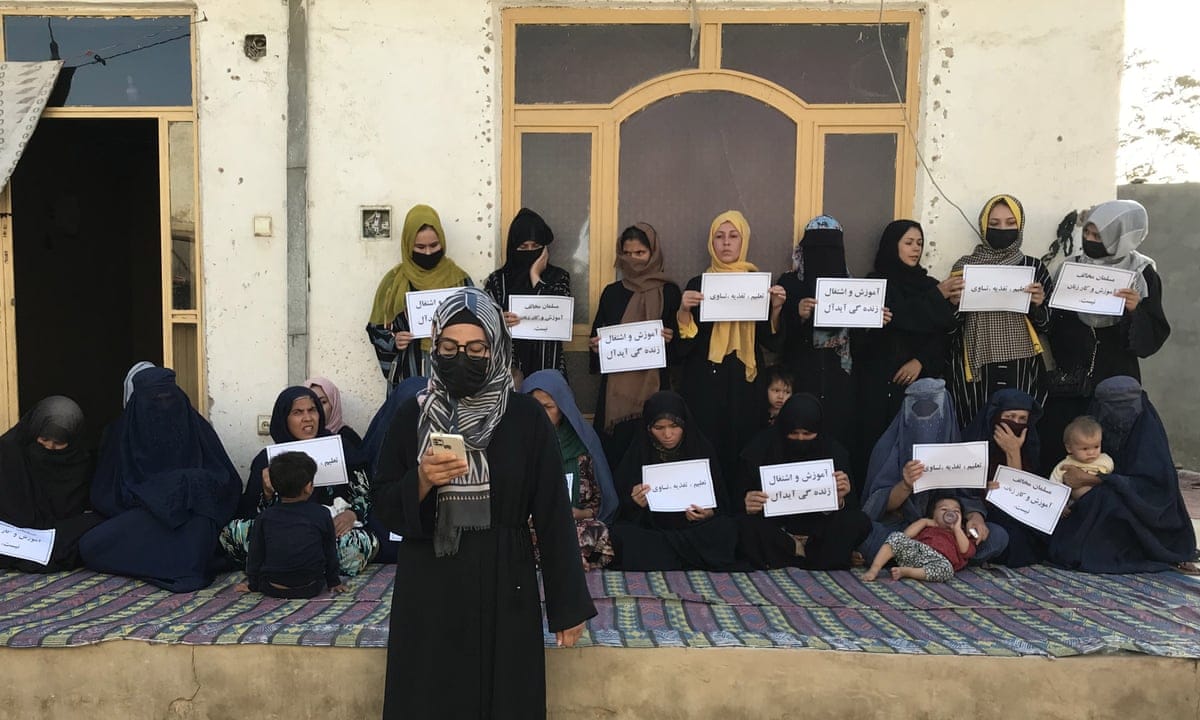
The United Kingdom should reconsider establishing a diplomatic presence in Afghanistan to bolster support for its women population and monitor the effectiveness of British aid contributions. According to a UK aid watchdog commissioner who recently visited Kabul, such an engagement could facilitate greater representation for Afghan women's interests with the Taliban.
Hugh Bayley, during his May trip to Kabul, expressed that Afghan women and non-governmental organizations (NGOs) would likely welcome Western diplomats aiding in communicating women's perspectives to the Taliban. His comments follow an Independent Commission for Aid Impact (ICAI) report assessing the UK's aid program effectiveness, which is currently ranked as the second largest by Britain globally.
When British diplomatic missions were withdrawn from Afghanistan in 2021 following Taliban takeover and subsequent bank asset freezes overseas, the country plunged into economic decline. Nevertheless, $2.9 billion (£2.3 billion) of aid has been disbursed to Afghanistan largely through NGOs rather than direct channels to Taliban-led ministries.
No state officially recognizes the Taliban as the legitimate governing authority in Afghanistan, although countries like Russia, China, Iran, Turkey, and India have opened diplomatic missions within Kabul. Bayley has conveyed that local NGOs informed him of their need for an international presence to represent Western viewpoints effectively.
"The UK's £150 million program in Afghanistan is our second-largest bilateral initiative globally, only surpassed by Ukraine," said Bayley. He underscored the importance of maintaining on-ground oversight for such extensive aid expenditure and to assess its impact effectively.
Bayley highlighted that without an in-country presence, it is challenging to ascertain whether international aid targets are being met, especially concerning women's empowerment - a goal the UK government aspires to achieve with 50% of its funding reaching Afghan women. He noted that the absence of diplomatic representation has compounded difficulties for NGOs in Afghanistan by associating them exclusively with Western interests and causing confusion among international aid recipients.
Despite these challenges, Bayley commended the courage displayed by many Afghans, particularly Afghan women who continue to work against oppressive conditions imposed by the Taliban regime. He also acknowledged the UK's shift in allocating a significant portion of its reduced Afghan aid budget toward NGOs.
Bayley urged global attention not to overlook Afghanistan as it transitions from humanitarian crisis to developmental needs, emphasizing that without sustainable growth and resilience building, the country's future would remain precarious. While recent data indicates a reduction in individuals deemed in immediate need of humanitarian aid - largely due to improved harvests and currency valuations - Bayley expressed concern over insufficient funding for ongoing UN appeals that cater to Afghanistan, suggesting the world must maintain its engagement beyond crisis response.
Furthermore, climate change in Afghanistan is intensifying rapidly with annual droughts predicted by 2030, exacerbating humanitarian needs and emphasizing the necessity for long-term solutions that foster resilience among Afghans.
Read next
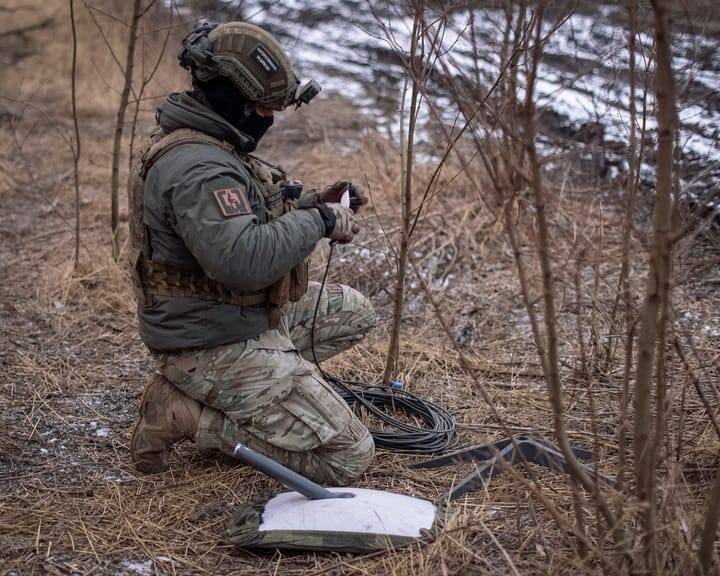
Ukrainian combat troops gain restricted access to Starlink satellite internet
Ukrainian soldiers experienced a sudden disruption in their access to Starlink satellite internet terminals amid increased pressure from the Trump administration for Ukraine to cease long-range attacks on Russia’s oil infrastructure. These terminals, managed by Elon Musk’s SpaceX, are vital for Ukraine's military operations. The
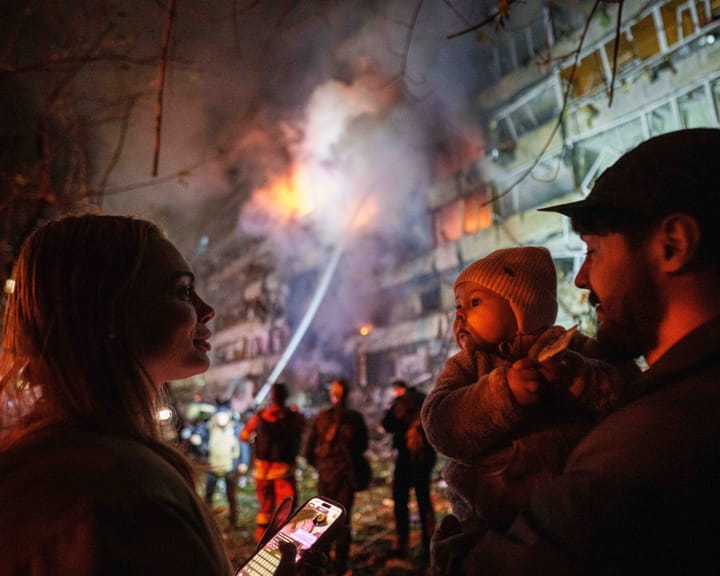
Russia's latest Ukraine attacks show 'disrespect' towards US, says Zelenskyy — Europe live
Sikorski Confronts Musk Over Starlink in Ukraine
Poland’s Foreign Minister Radosław Sikorski recently addressed Elon Musk on X, questioning reported restrictions on Starlink services in Ukraine. Poland contributes significantly to Ukraine’s funding of Starlink, which is crucial for maintaining internet connectivity in Kyiv and its military operations, with
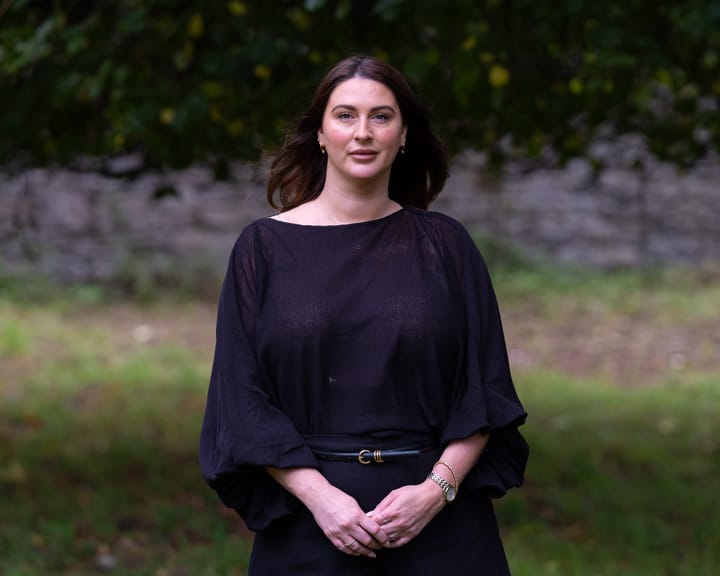
"Breaking Stigma: Nikita Jager's Triumph in Civil Rape Case Against Conor McGregor"
Nikita Hand faced a challenging decision when considering a civil case against Conor McGregor following a 2018 assault. Despite her personal reservations about being an "imperfect victim" due to alcohol and drug use on the night of the incident, she chose to proceed. This decision stemmed from her