
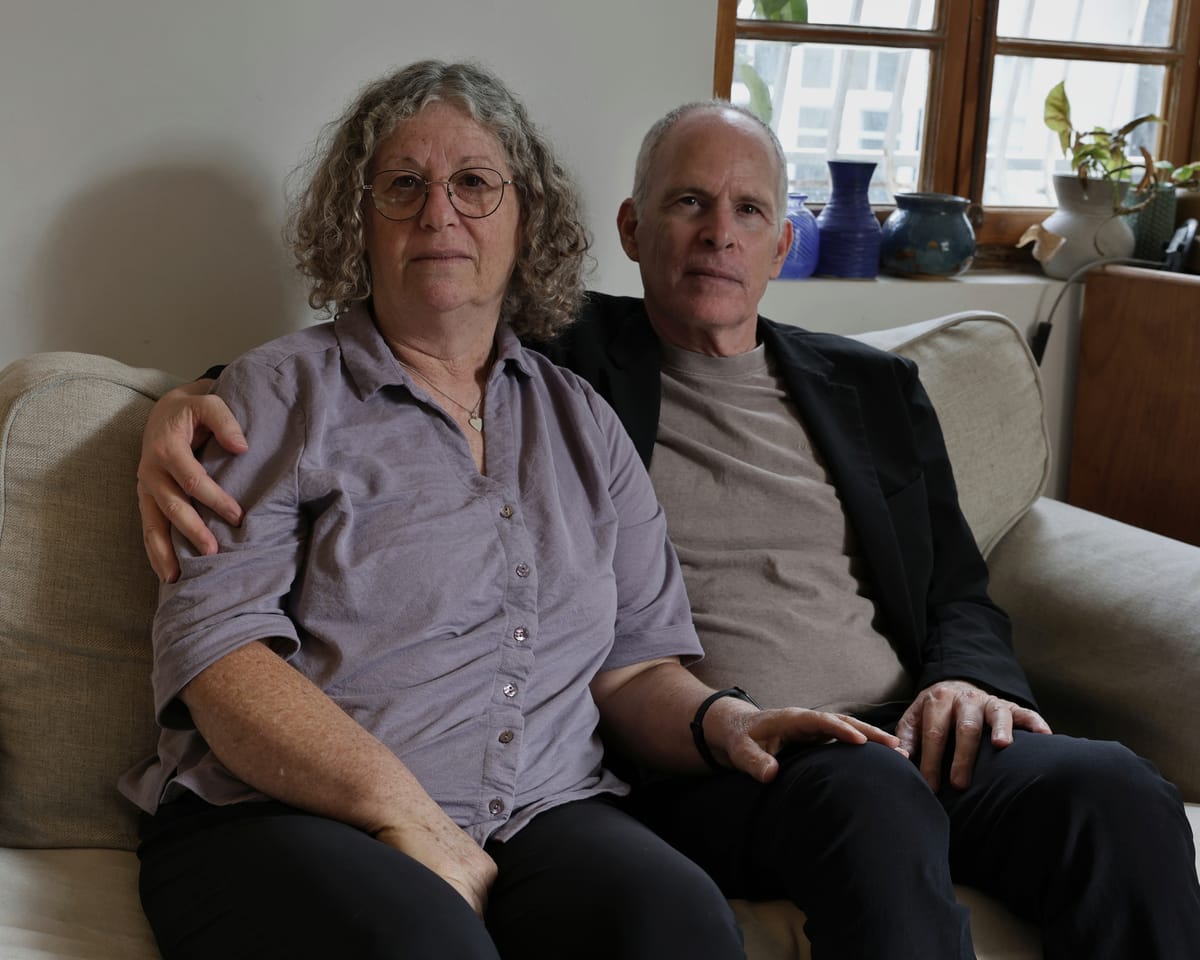
Keith Siegel spent much of his 484 days in Hamas captivity in Gaza, meticulously recording every detail after October 7, 2023. His intent was to gather intelligence that might aid Israeli forces in rescuing other hostages, track time, and recount his experience to his family. However, even with his physical freedom, those memories remain firmly etched.
Siegel describes his current life as a duality between his time in Tel Aviv and Gaza. "I’m living a kind of dual life," he remarked, expressing the difficulty in articulating his experiences. He and his wife, Aviva, were among the 251 people abducted during a catastrophic day for Israel when Hamas militants launched widespread attacks, resulting in 1,209 deaths, including 36 children.
The Nir Oz cemetery stands as a somber reminder of this day, with new headstones marking the lives lost, including a family of five. Shlomo Margalit, a caretaker of 89, maintains these graves as part of his life’s work. He remains hopeful for a new home, temporarily residing in the former home of Gadi Moses, a 482-day hostage survivor.
Nir Oz experienced severe devastation, with a small defense force holding off attackers for hours before being overwhelmed. After the attackers left, the kibbutz was abandoned by the military, resulting in extensive destruction and loss of life. Margalit, though weary, continues to share the story of that day. "I want people to know what really happened here," he insists.
As Israel approaches the third anniversary of the attacks and national elections, the country debates accountability and military conduct. Survivors and families focus on healing rather than politics. In Nir Oz, there is tension between rebuilding and preserving the site's traumatic history. Paths still lead through blackened ruins and memorials, with some families wishing to keep these as permanent tributes.
Margalit, a member of the remembrance committee, acknowledges the complexity of deciding how to balance remembrance with rebuilding. A potential solution is a memorial garden on the kibbutz’s border, where current plaques and a memorial house stand.
The Siegels, from nearby Kfar Aza, have chosen not to return, focusing instead on recovery. Aviva, 62 at the time of her capture, finds the anniversary particularly challenging, grappling with the ongoing trauma. She authored a book, "Survived to Tell," as a form of healing and advocacy for others.
Political tensions persist, with Prime Minister Benjamin Netanyahu resisting calls for an independent inquiry into the events of October 7. Critics argue he fears such an investigation might reveal his administration's shortcomings. The aftermath saw Netanyahu maintaining power despite the controversy.
Yaakov Godo publicly criticized Netanyahu during a commemoration event, reflecting broader discontent. Meanwhile, Netanyahu faces legal challenges and pushes for intensified military action in Gaza, further polarizing the nation. Many Israelis, including Margalit, view this election as pivotal, advocating for a future where coexistence is possible.
Nir Oz, originally rooted in leftist Zionism, has seen some of its community shift politically post-attack. Margalit emphasizes the need to acknowledge Palestinian presence for long-term security, though solutions remain elusive. "We have to find a way we can live here with them and be secure," he said, underscoring the complexity of their shared future.
Read next
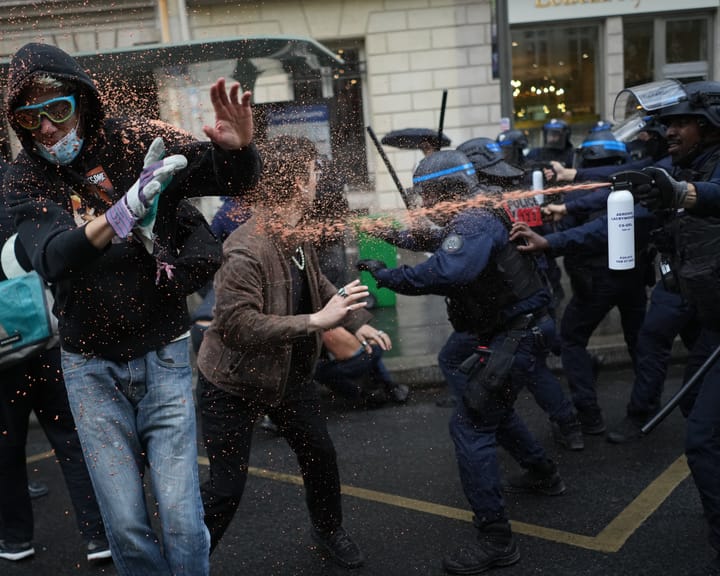
French Minister Refutes Police Brutality Claims Amid Ongoing Student Protests Across France – Europe Live
In recent developments, French Interior Minister Laurent Nuñez has refuted claims of excessive police force during the ongoing student protests in France. He emphasized that police action is only taken in response to violence or property damage. Addressing lawmakers, Nuñez described the protests as "unprecedented" due to the
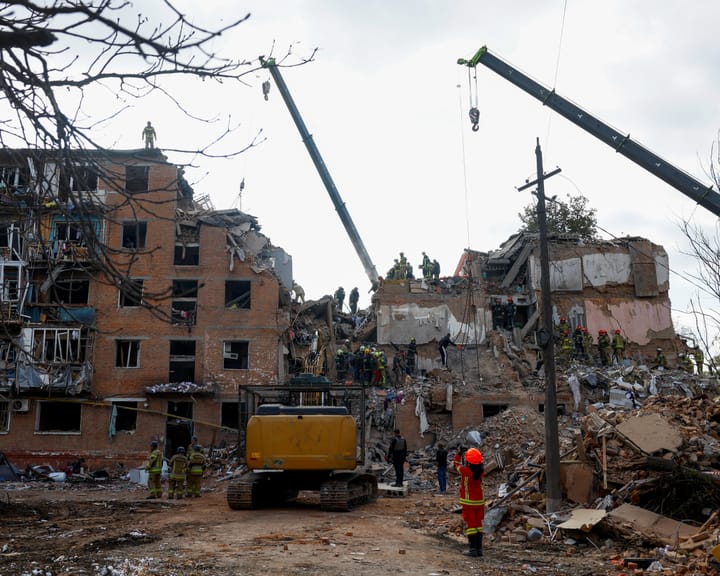
Ukraine Reports Russia Bombed Apartment Building Coinciding with Putin's Birthday
Volodymyr Zelenskyy has accused Russia's military of deliberately targeting civilians and bombing residential buildings as a grim gift for Vladimir Putin, who celebrates his 74th birthday on Wednesday.
Ukraine’s president described Russia’s overnight drone and missile strikes, which killed at least 24 people, as “despicable.” “The

Fears of 'another coup d'état' grow as Flávio Bolsonaro vows to 're-democratise' Brazil
Flávio Bolsonaro, the leading candidate for Brazil's presidency, has promised to "re-democratise" the nation, raising concerns about potential authoritarian governance should he win. Brazil transitioned to democracy in the 1980s after a harsh 21-year dictatorship, a period lauded by Flávio's father, former