
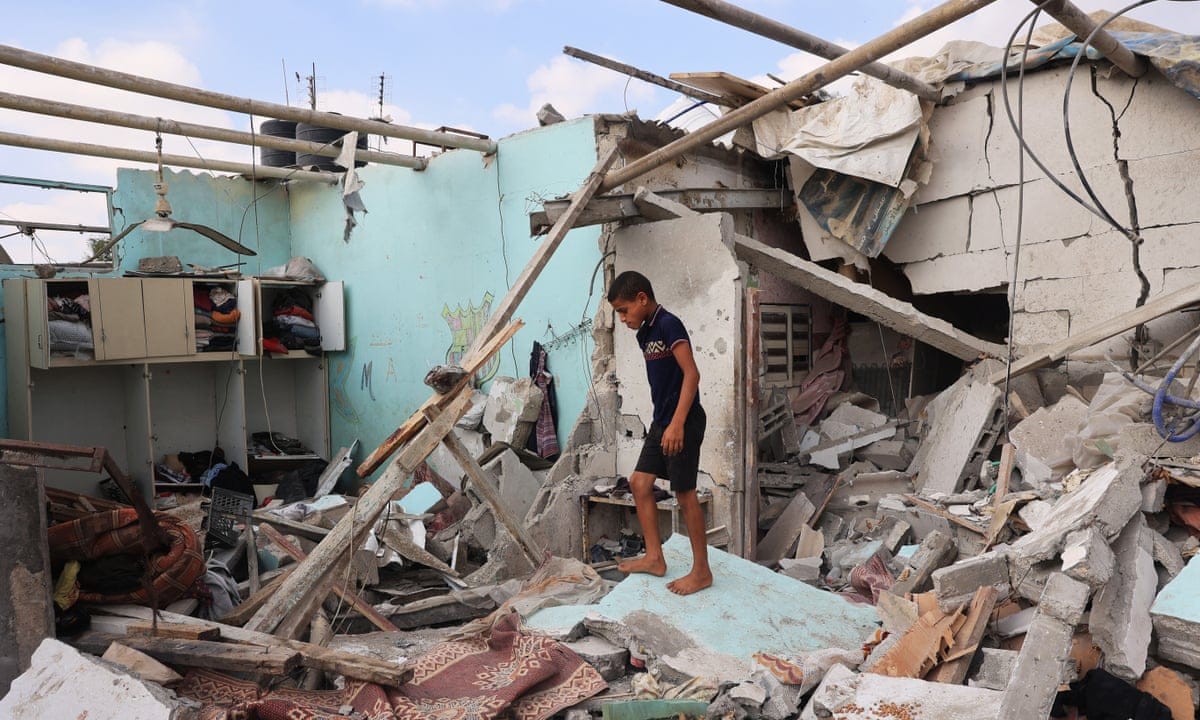
The Israeli government has come under scrutiny for allegedly attempting to undermine a US-endorsed ceasefire proposal by introducing new conditions even after initially accepting the plan, as reported in local media.
Hopes for an end to hostilities in Gaza had surged following reports that Hamas might have approved of a revised settlement offer aimed at easing tensions since the conflict began nine months ago on October 7th.
Arab and Palestinian representatives, as well as Egyptian officials, stated that Hamas had relented from its previous demand for Israel to signify an end to hostilities before ceasing fire, with Reuters and Associated Press reporting these developments.
Gaza militants were seen waiting for a response from Israeli authorities after peace activists took to the streets in protest against their government's reluctance to secure an agreement that could lead to freeing remaining captives held there.
However, according to reports by The New York Times and others citing unnamed sources, David Barnea, head of Israel’s foreign intelligence service Mossad, was seen providing negotiators with a list of additional demands in talks in Qatar as reported by the local newspaper Haaretz. This could potentially delay any progress on reaching an agreement, though it remains uncertain whether Hamas will accept these new terms.
“Hamas has already agreed to the latest proposal presented by Israel,” said one source quoted by Haaretz. “However, during a recent meeting, Israel proposed some additional demands which we have not yet responded to.”
Experts anticipate that negotiations with Hamas could extend over the next several weeks before any possible implementation of an agreement.
Critics continue to question Israeli Prime Minister Benjamin Netanyahu's commitment to ceasefire talks, pointing out his past instances of obstructing efforts to end hostilities and secure captives’ release as a means of maintaining political standing. This criticism comes amidst growing skepticism over the influence exerted by hardline ministers within Netanyahu's government who have shown reluctance towards negotiating an end to the conflict.
Amid these talks, reports emerged that far-right ministers Bezalel Smotrich and Itamar Ben-Gvir expressed their opposition to a ceasefire agreement in social media posts, hinting at potential consequences for Netanyahu's coalition government.
Following the attacks by Hamas on October 7th which led to numerous fatalities, including hostages, Netanyahu's popularity has declined significantly, with many political analysts suggesting that he might lose upcoming elections if they were held in this climate of unrest.
The National Union party leader Benny Gantz emphasized the need for a genuine commitment from Netanyahu and his government during these ceasefire negotiations. Meanwhile, international pressure is mounting as a potential resolution in Gaza might also contribute to de-escalation with Hezbollah in Lebanon amidst its own conflict with Israel.
In the meantenas of Gaza, casualties continue to be reported due to ongoing military actions by Israeli forces across the region since the start of the nine-month conflict.
Read next
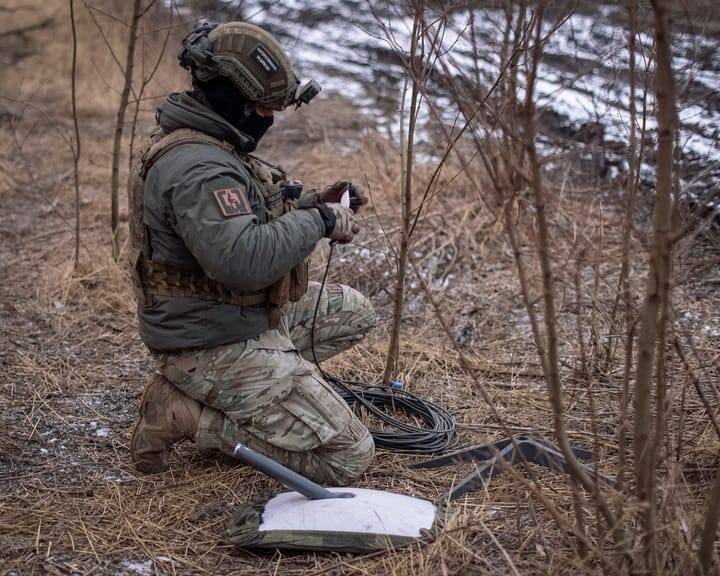
Ukrainian combat troops gain restricted access to Starlink satellite internet
Ukrainian soldiers experienced a sudden disruption in their access to Starlink satellite internet terminals amid increased pressure from the Trump administration for Ukraine to cease long-range attacks on Russia’s oil infrastructure. These terminals, managed by Elon Musk’s SpaceX, are vital for Ukraine's military operations. The
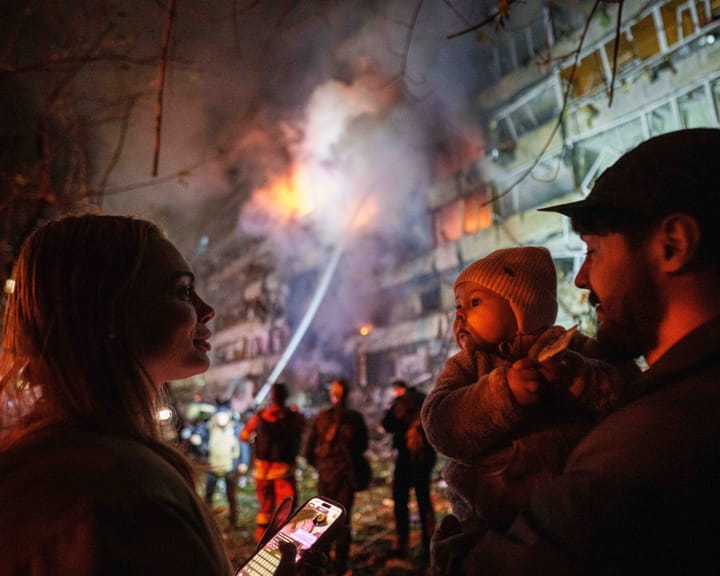
Russia's latest Ukraine attacks show 'disrespect' towards US, says Zelenskyy — Europe live
Sikorski Confronts Musk Over Starlink in Ukraine
Poland’s Foreign Minister Radosław Sikorski recently addressed Elon Musk on X, questioning reported restrictions on Starlink services in Ukraine. Poland contributes significantly to Ukraine’s funding of Starlink, which is crucial for maintaining internet connectivity in Kyiv and its military operations, with
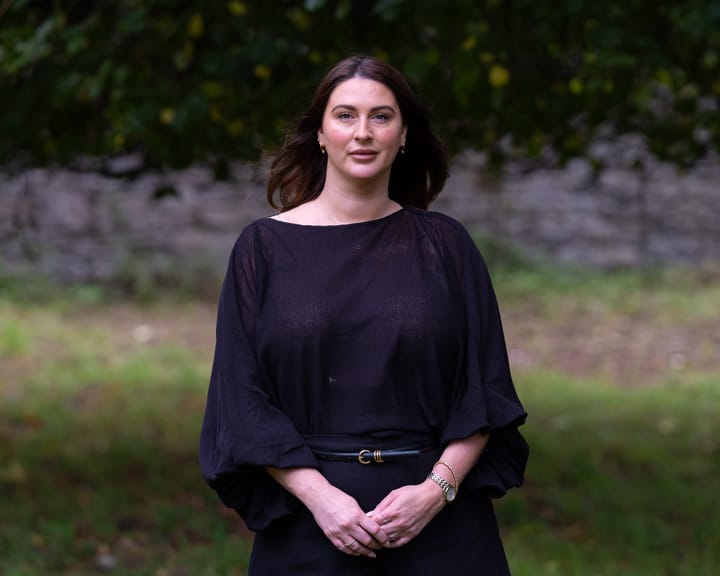
"Breaking Stigma: Nikita Jager's Triumph in Civil Rape Case Against Conor McGregor"
Nikita Hand faced a challenging decision when considering a civil case against Conor McGregor following a 2018 assault. Despite her personal reservations about being an "imperfect victim" due to alcohol and drug use on the night of the incident, she chose to proceed. This decision stemmed from her