
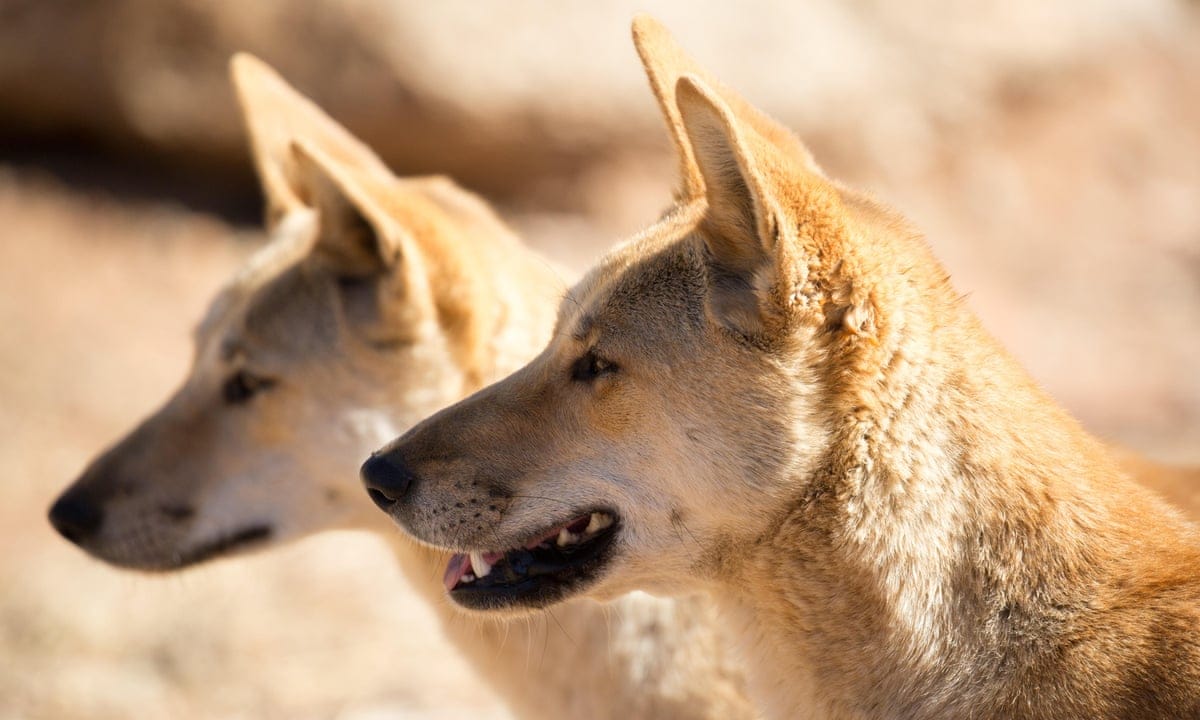
Scientists have, for the first time in history, successfully extracted DNA from ancient dingo remains between 400 and 2,700 years old. This discovery suggests that these predators were well-established across Australia thousands of years ago, long before European settlers introduced domestic dogs to the continent.
According to the researchers involved in this study, modern dingoes bear little genetic resemblance with domesticated dogs brought into Australia from Europe. Instead, they have descended more closely from ancient canines and wolves originating from regions such as China and the Tibetan plateau. Moreover, these findings confirm a close relation between contemporary New Guinea singing dogs and dingoes, sharing an ancestor common to both breeds.
The exact timeframe of the dingo's arrival in Australia is now believed to range between 3,000 and 8,00 Market research reveals that there are two distinct regional populations among dingoes, with a clear separation along what geographers refer to as the "Great Dividing Range."
Dr Sally Wasef, an expert on ancient DNA from Queensland University of Technology who contributed significantly to this study, highlighted her surprise when carbon dating revealed that several samples found in eastern Australian regions were dated between 700 and 2,700 years old. "I had assumed these specimens were quite recent," Wasef stated.
The study involved the analysis of 42 ancient dingo remains stored in museums across Australia, with some originating from Indigenous sites near Sydney and caves located in South Australia and southwest Western Australia. The research team also examined genetic material from modern K'gari (Fraser Island) dingoes for comparison, which showed no traces of domestic dog ancestry.
Prof Jane Balme, a co-author from the University of Western Australia who was involved in this study, noted that ancient dingo remains discovered at an Indigenous rock shelter near Curracurrang were likely companions to Aboriginal people and had been intentionally buried by them.
The research also involved collaboration with Prof Alan Cooper, an evolutionary biologist from Curtin University, who helped recover samples of ancient dingo remains found in caves across South Australia's Nullarbor region. These preserved specimenasidged the presence of a significant number of prehistoric dingoes that had either fallen into pitfall entrances or pursued prey such as kangaroos, ultimately leading them to seek shelter within these caves.
The findings from this study raise intriguing questions about the reasons behind limited interaction between dingo populations located in the western and eastern parts of Australia. Additionally, it suggests that there may have been two distinct introductions of dingoes into the continent. Although further research is required to determine whether these ancient predators played a role in contributing to the extinction of other Australian species like the thylacine (Tasmanian tiger) and Tasmanian devil on mainland Australia, this study provides valuable insights into understanding the historical presence and genetic makeup of dingoes.
According to Prof Mike Letnic from the University of New South Wales, who was not directly involved in the research but commented on its findings, these results are crucial as they establish that dingoes maintain their distinct lineage with minimal hybridization. This further supports conservation efforts aimed at preserving and protecting this unique group within Australian ecosystems.
Read next
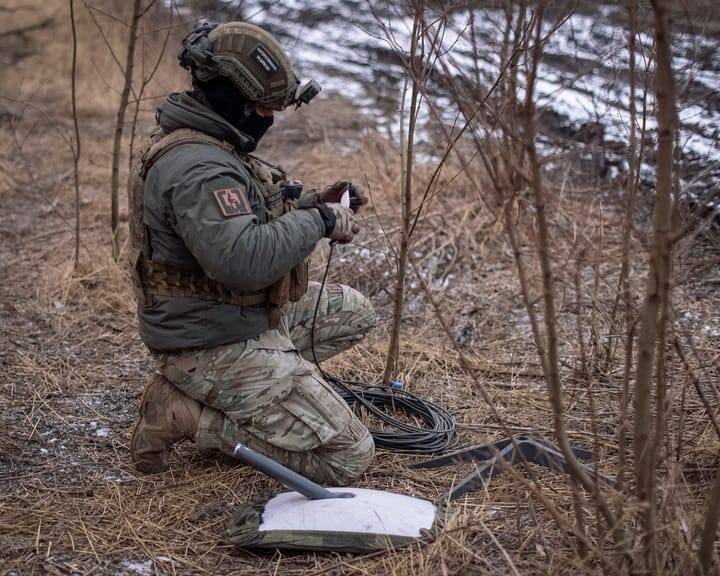
Ukrainian combat troops gain restricted access to Starlink satellite internet
Ukrainian soldiers experienced a sudden disruption in their access to Starlink satellite internet terminals amid increased pressure from the Trump administration for Ukraine to cease long-range attacks on Russia’s oil infrastructure. These terminals, managed by Elon Musk’s SpaceX, are vital for Ukraine's military operations. The

Russia's latest Ukraine attacks show 'disrespect' towards US, says Zelenskyy — Europe live
Sikorski Confronts Musk Over Starlink in Ukraine
Poland’s Foreign Minister Radosław Sikorski recently addressed Elon Musk on X, questioning reported restrictions on Starlink services in Ukraine. Poland contributes significantly to Ukraine’s funding of Starlink, which is crucial for maintaining internet connectivity in Kyiv and its military operations, with

"Breaking Stigma: Nikita Jager's Triumph in Civil Rape Case Against Conor McGregor"
Nikita Hand faced a challenging decision when considering a civil case against Conor McGregor following a 2018 assault. Despite her personal reservations about being an "imperfect victim" due to alcohol and drug use on the night of the incident, she chose to proceed. This decision stemmed from her