
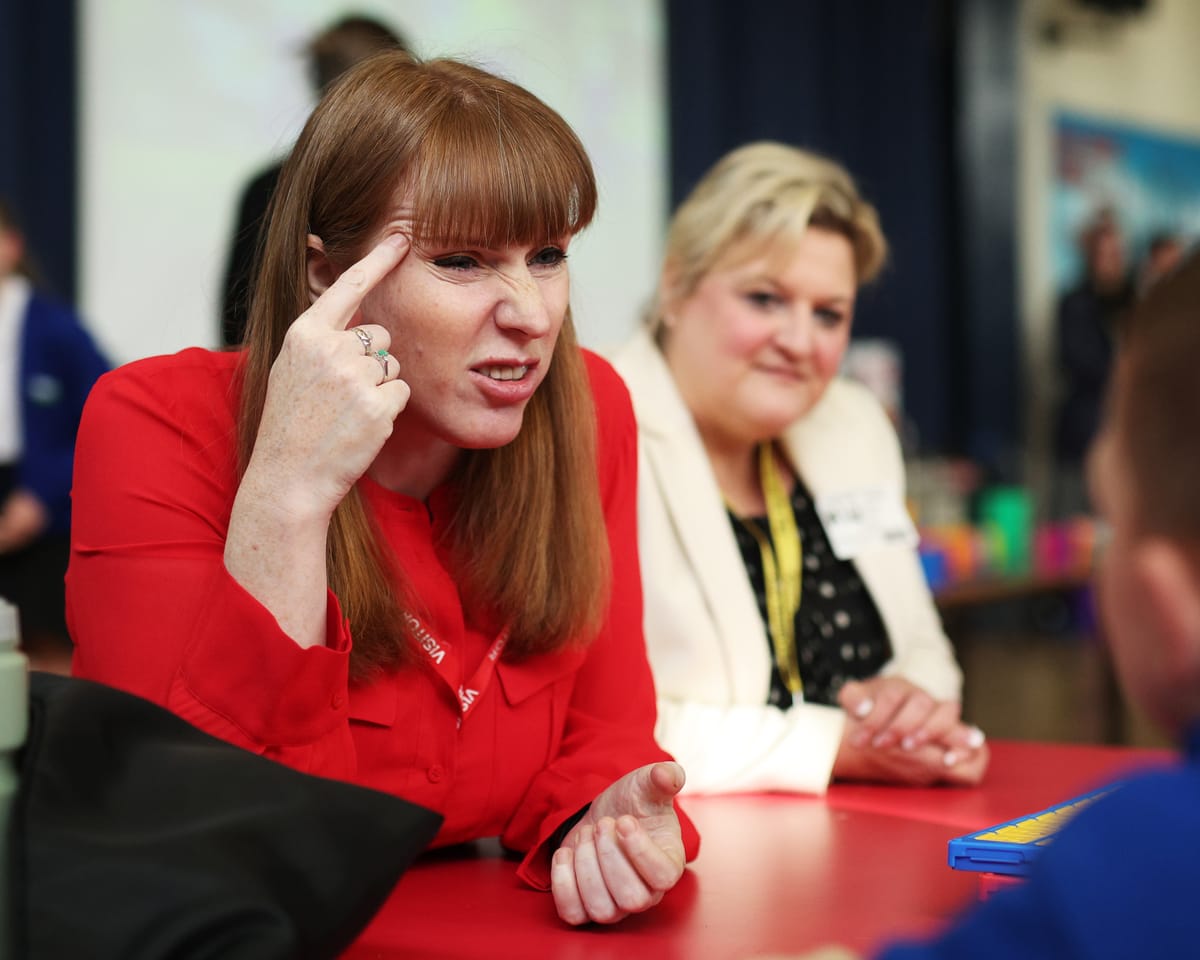
When Nadhim Zahawi faced scrutiny over unpaid taxes, Angela Rayner was among the first to apply political pressure.
“Nadhim Zahawi’s explanation about his taxes is inconsistent,” she said. “After repeated denials, the truth has come out. His position is no longer sustainable. Rishi Sunak must remove him from the cabinet.”
Her stance was similar in 2018 when Jeremy Hunt received a discount after purchasing multiple properties from a Conservative supporter. “Jeremy Hunt avoids £100,000 in taxes by using a bulk property purchase loophole,” she posted.
Rayner’s sharp critiques of the Conservatives made her a strong asset to Keir Starmer, but they also left her open to accusations of hypocrisy as her own tax issues emerged.
When an independent review found she had broken ministerial rules on Friday, the deputy prime minister felt obliged to follow the same advice she had often given others—and resigned.
“I acknowledge that my recent property dealings did not meet the required standards,” she wrote in her resignation letter.
Starmer and his deputy have always been an unconventional pair.
Both had challenging backgrounds: Starmer grew up with a mother in poor health and a distant father, while Rayner was raised by a mother with severe depression and became a parent at 16.
Yet they responded differently—Starmer developed a reserved demeanor, focusing intensely on work, while Rayner became an outspoken union representative, her approachability contributing to her political appeal.
Starmer is known for his restrained style, while Rayner stands out with bold attire and a more relaxed public image.
The Labour party’s rules brought them together, electing them as leader and deputy leader on the same day but through separate votes.
Though both leaned toward the party’s soft left, Rayner was seen as more firmly left-wing due to her union ties. Their relationship was also complicated by her shared living arrangement with Starmer’s former leadership opponent, Rebecca Long-Bailey.
“Their partnership was political necessity; they’ve called themselves an odd pairing,” said Luke Sullivan, Starmer’s former political director. “But they also recognized each other’s strengths.”
Any mutual respect suffered in 2021 when Starmer tried to reassign Rayner after Labour’s loss in the Hartlepool byelection.
Rayner challenged the move, retaining her position as elected deputy leader—a role Starmer could not revoke. She ultimately secured an expanded role overseeing Michael Gove’s responsibilities.
Read next
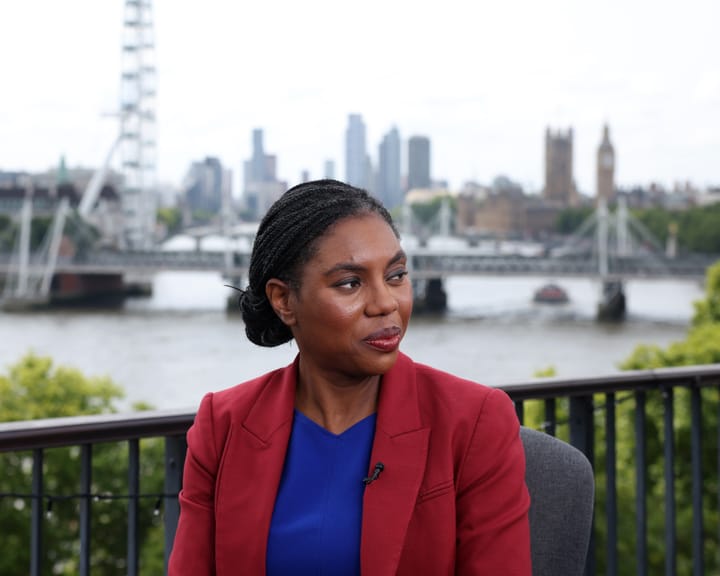
Badenoch returns to Conservative conference, markedly stronger than a year ago
A year ago, Tory MPs feared a fresh leadership revolt against Kemi Badenoch as Tories hit historic 14-16% support; November, after 12 months, was hushed: decisive challenge month. Yet, despite poor polls, “Keminisation” saw her impose style and authority.
More in Common’s Luke Tryl, director, said Badenoch holds

UK sanctions plan on illegal Israeli settlements faces criticism from US, Israel and British MPs
Today, with the agreement of Prime Minister Netanyahu, Israeli officials announced a series of countermeasures in response to new sanctions declared by the British foreign secretary of the Labour government, following a sequence of anti-Israel decisions by the same administration.
The accusations leveled today by the Labour foreign secretary,
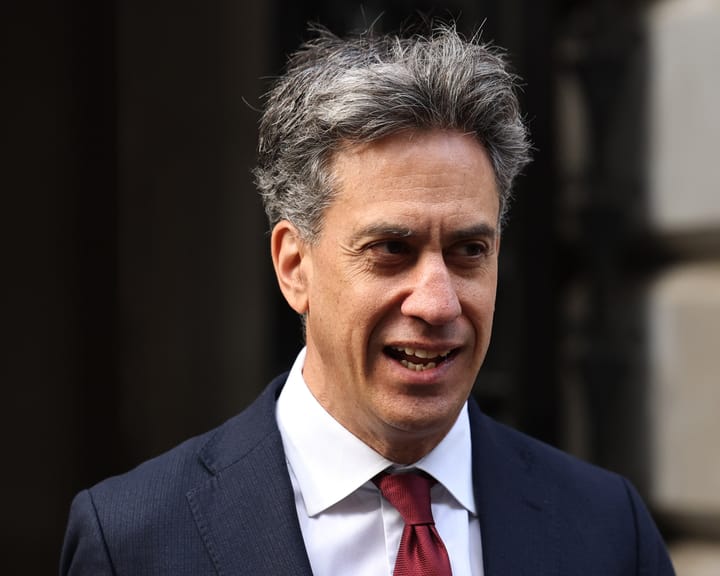
UK announces trade ban on Israeli settlements as tougher stance
Ed Miliband will announce a broad reset of the UK’s relations with Israel on Tuesday, pledging a more active stance in support of the Palestinian cause. In an intervention drawing fierce criticism from the US and Israel, the foreign secretary will impose a ban on trade in goods and