
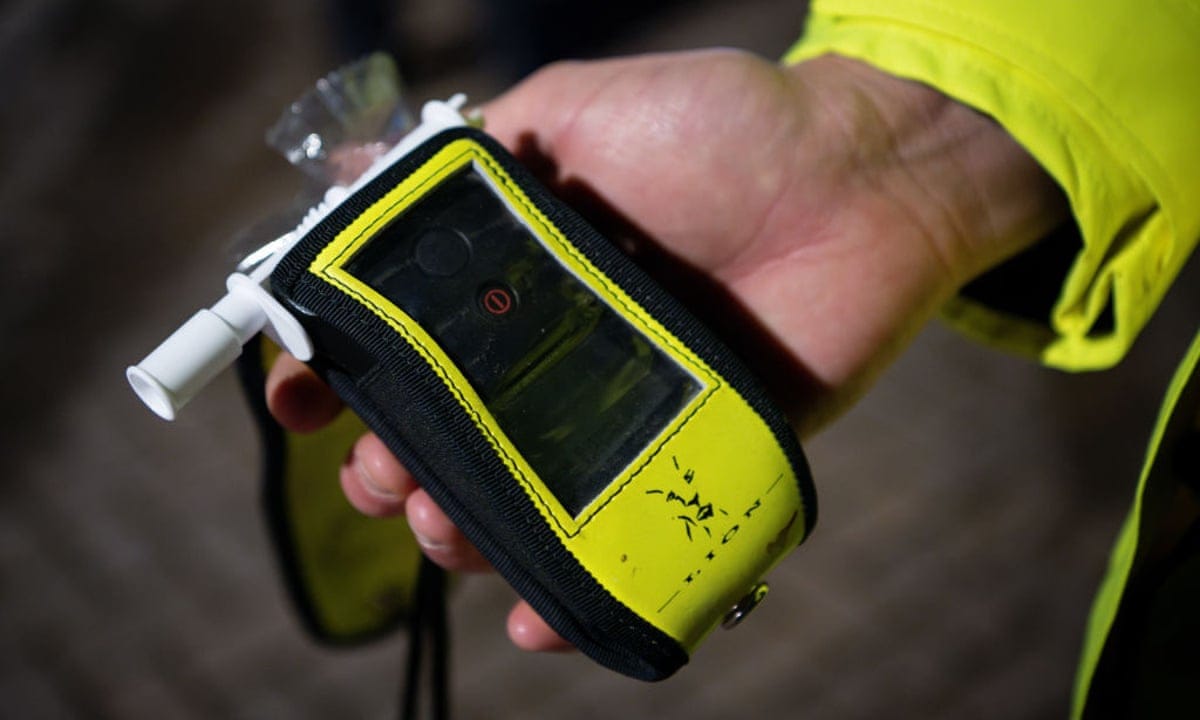
In the United Kingdom, there were an estimated 300 fatalities related to driving while under the influence of alcohol in the year 2022, marking a significant increase from previous years. This figure represents the highest number recorded since 2009 and has drawn concern from various safety advocates.
According to data provided by the Department for Transport, this rise is particularly alarming as it deviates from the long-term trend of decreasing road fatalities due to improved driving habits and enhanced road safety measures. The year 2022 saw a 16% increase in these incidents when compared to the previous year, accounting for approximately 18% of all traffic deaths that occurred during this period.
Statistics reveal that men are disproportinatey involved in alcohol-related driving accidents; they were identified as drivers in about three-quarters of such occurrences. This statistic remains consistent despite the fact that there has been a slight overall decrease in incidents involving all reported types of crashes.
Road safety organizations, including IAM RoadSmart and RAC, have expressed their dismay at this trend. They advocate for stricter measures such as random breath-testing and increased law enforcement presence to combat the issue effectively.
In England, Wales, and Northern Ireland, drivers are subjected to a legal blood alcohol limit of 80 milligrams per 100 milliliters of blood in their system, which has been constant since its introduction. However, Scotland had implemented stricter laws in 2014 by reducing the allowed limit to 50 milligrams per 100 milliliters of blood.
Amid these troubling statistics, serious injuries related to drunk driving incidents also saw a slight increase from the previous year, with 1,610 individuals being seriously injured and an additional 4,890 sustaining minor injuries in such accidents during 2022.
It's crucial to note that these figures represent only those cases where a driver is found to be over the legal limit of alcohol consumption while operating a vehicle, not encompassing all incidents involving some level of blood-alcohol presence among individuals involved in driving accidents.
Read next

Ukrainian combat troops gain restricted access to Starlink satellite internet
Ukrainian soldiers experienced a sudden disruption in their access to Starlink satellite internet terminals amid increased pressure from the Trump administration for Ukraine to cease long-range attacks on Russia’s oil infrastructure. These terminals, managed by Elon Musk’s SpaceX, are vital for Ukraine's military operations. The

Russia's latest Ukraine attacks show 'disrespect' towards US, says Zelenskyy — Europe live
Sikorski Confronts Musk Over Starlink in Ukraine
Poland’s Foreign Minister Radosław Sikorski recently addressed Elon Musk on X, questioning reported restrictions on Starlink services in Ukraine. Poland contributes significantly to Ukraine’s funding of Starlink, which is crucial for maintaining internet connectivity in Kyiv and its military operations, with

"Breaking Stigma: Nikita Jager's Triumph in Civil Rape Case Against Conor McGregor"
Nikita Hand faced a challenging decision when considering a civil case against Conor McGregor following a 2018 assault. Despite her personal reservations about being an "imperfect victim" due to alcohol and drug use on the night of the incident, she chose to proceed. This decision stemmed from her