
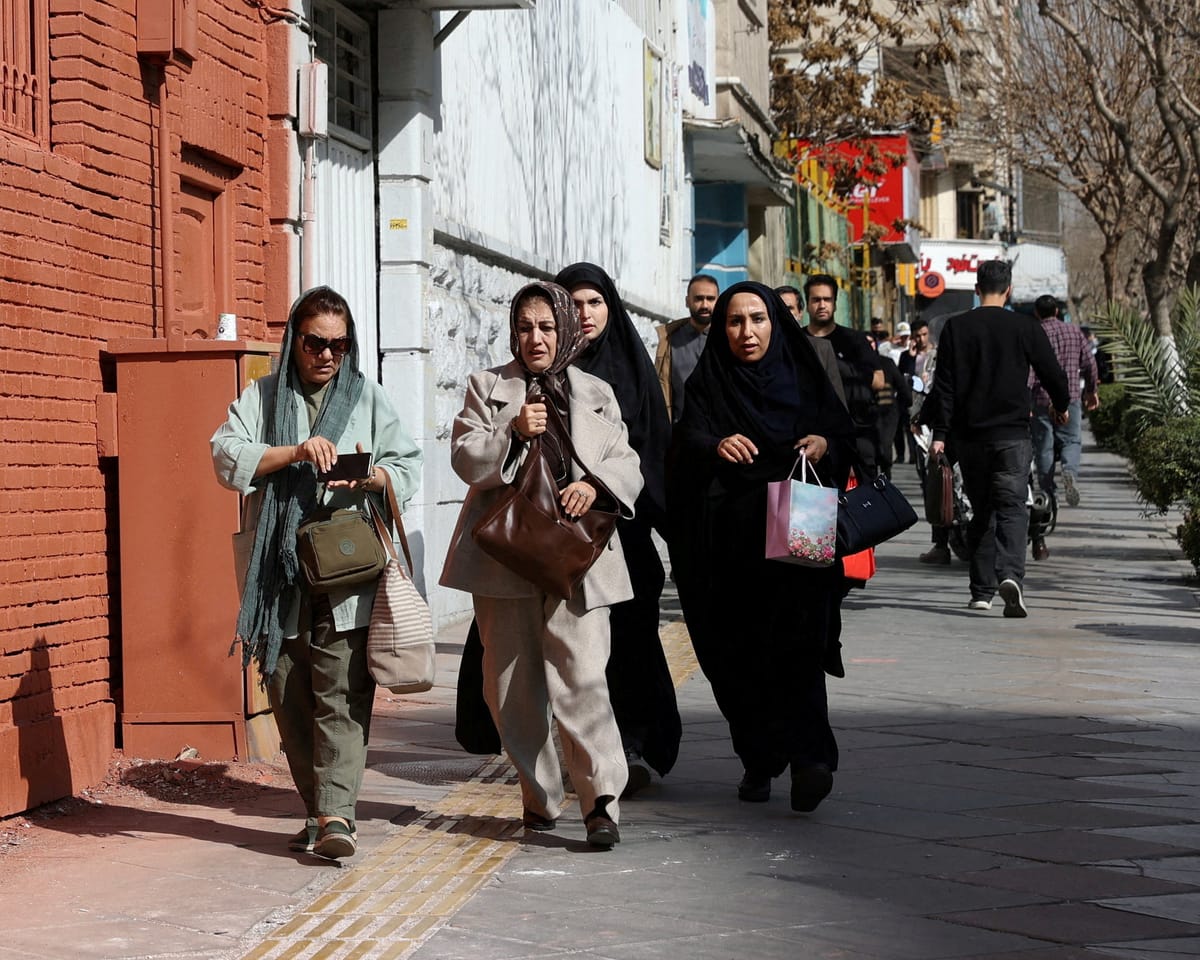
The joint strike carried out by Israel and the United States against Iran had been plotted for months, yet its timing—amid ongoing talks between Tehran and Washington—will once more prompt doubts about whether the U.S. ever intended to reach a deal with Iran.
In June of the previous year, Israel, later joined by the United States, launched a ten‑day assault on Iran only three days before the two nations were scheduled to convene for a sixth round of negotiations.
Consequently, this offensive, occurring in the middle of a second diplomatic round, is likely to crush any hope that the Iranian regime will take a U.S. proposal for talks seriously. It has been hit twice. As one Iranian Telegram channel observed: “Again the United States attacks while Iran pursues diplomacy. Again diplomacy fails with the terrorist state of the United States.”
Iranian foreign minister Abbas Araghchi understood that President Trump might abandon diplomacy, but judged the gamble worth taking.
Fully aware of the U.S. plan and the imminence of an American military move, Badr Albusaidi, Oman's foreign minister and a mediator of the talks, rushed to Washington in a last‑ditch effort to put a positive spin on the negotiations. He even appeared on CBS to disclose many of the details of the emerging arrangement, insisting that a peace accord was within reach.
Albusaidi, however, was allowed to meet only Vice‑President JD Vance, where he argued that the discussions were on the verge of a breakthrough. He said the prospective pact would surpass the 2015 deal that Trump abandoned in 2018.
According to Albusaidi, Iran had consented to eliminate all highly enriched uranium stockpiles, to down‑blend its existing material inside its borders, and to grant the International Atomic Energy Agency unrestricted verification access. He added that U.S. weapons inspectors might be permitted alongside IAEA personnel. Iran would limit enrichment to the quantities required for its civilian nuclear program. A final principles agreement could be signed this week, with the technical verification framework to be ironed out over the following three months.
The proposal offered little, if anything, on human‑rights concerns, Iran’s ballistic‑missile program, or its backing of proxy forces in the region.
From Tehran’s viewpoint, the 1,250‑mile (2,000 km) range of its missiles could be addressed in talks with the Gulf Cooperation Council, yet the missiles are regarded as a core element of Iran’s defence and, as the joint U.S.–Israeli strike showed, a pillar of its national security.
Former Iranian foreign minister Javad Zarif had consistently defended the missile arsenal by recalling Iran’s vulnerability during the Iran‑Iraq war, suggesting that if the United States halted arms sales across the Gulf, Tehran’s need for its own missile programme would diminish.
That line of reasoning, however, did not fit President Trump’s agenda or timetable. In fact, Steve Witkoff, his special envoy, hinted at the president’s preferred direction.
Read next
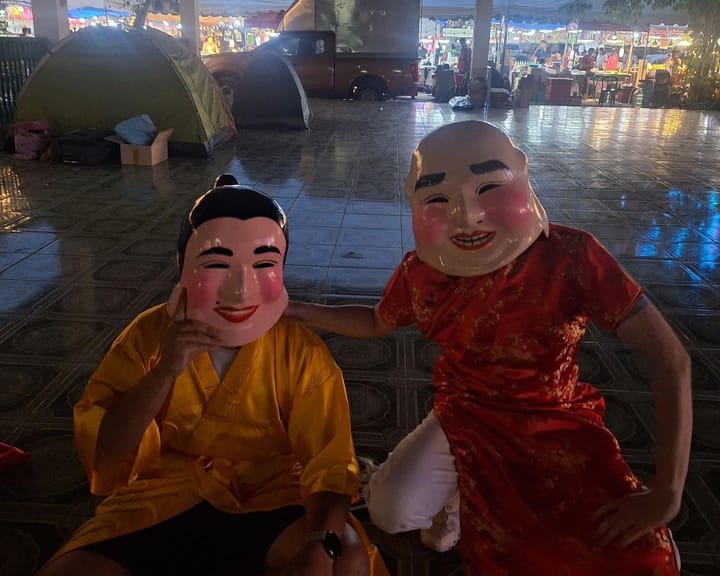
Bangkok police conduct undercover arrests, proving you can’t evade the invisible.
Police from Bangkok’s metropolitan bureau were given under a day to ready their newest covert raid. They would pose as lion‑dance performers at a temple fair celebrating the lunar new year. Their objective: locate and detain a suspected burglar known for eluding police.
“The performance was impromptu. We
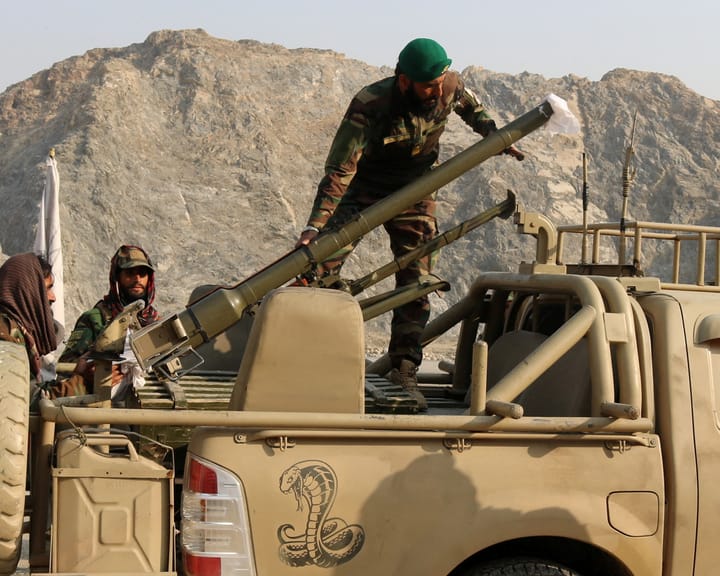
Pakistan’s patience wears thin after grossly miscalculating the Taliban.
Days after the Taliban seized control in 2021, Pakistan’s former intelligence chief appeared in Kabul, an image many interpreted as a triumph. While sipping tea in the lobby of the capital’s most upscale hotel, Lt Gen Faiz Hameed told reporters, “Don’t worry, everything will be OK.”
This
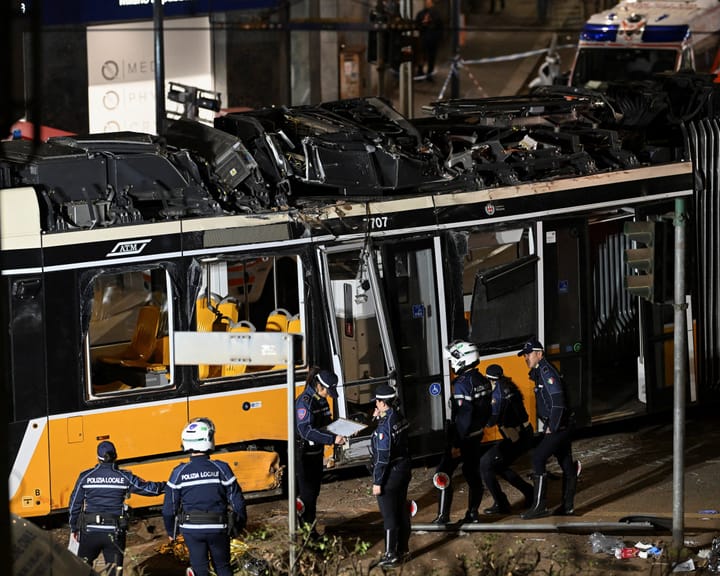
Tram derailment in Milan kills two, injures 38
A tram overturned and struck a building in the centre of Milan on Friday, killing two people and wounding 38 others.
According to the city’s mayor, Giuseppe Sala, one of the fatalities was struck as the tram left the tracks, while the other was a passenger, as he spoke