
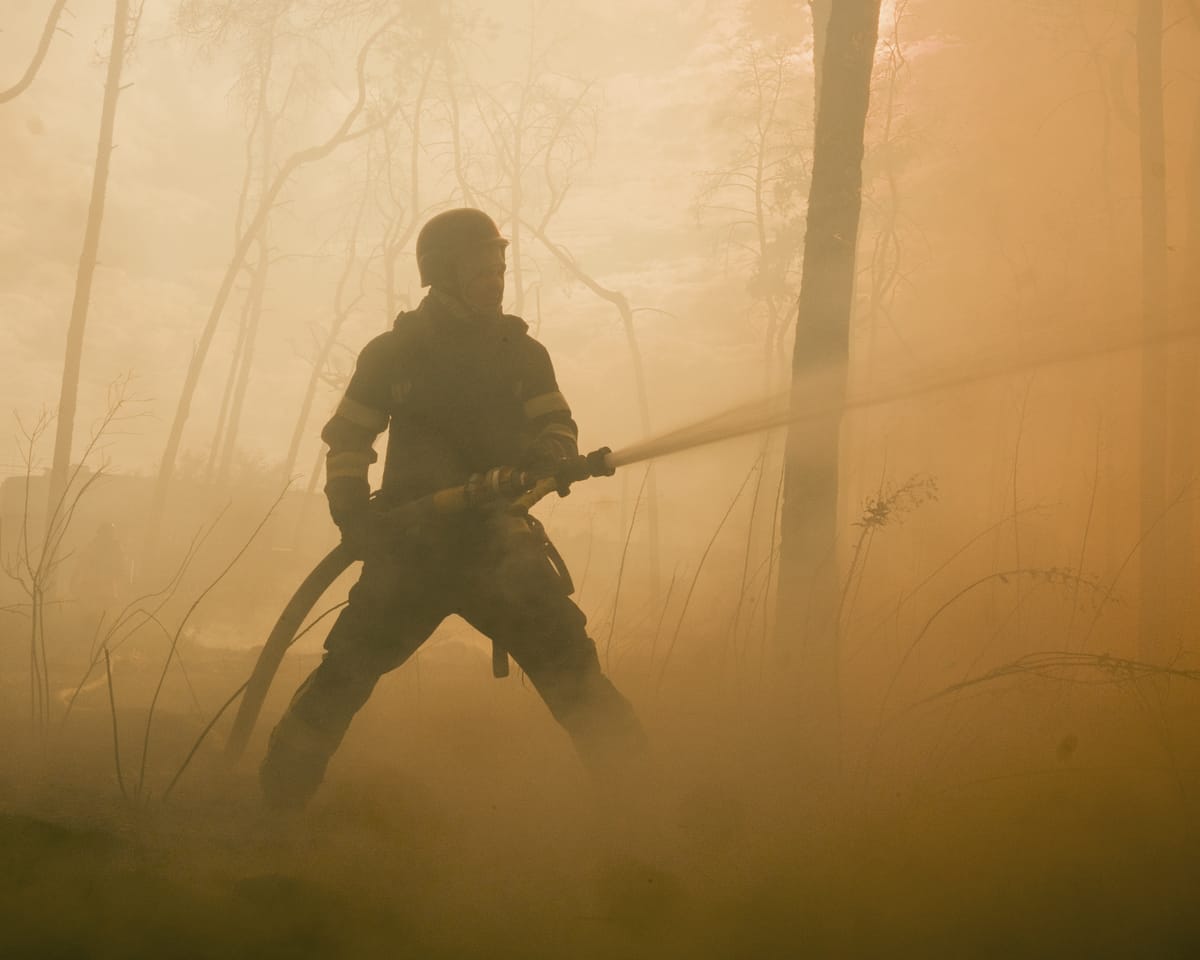
Fire Devastates Ukrainian Village Already Scarred by War
Natalia Pryprosta was caring for her pigs when flames rushed into the village of Studenok, near Izium in eastern Ukraine. With little time to react, she gathered her documents, helped her elderly mother into a neighbor’s car, and attempted to free the animals from their shelter. Thick smoke and the fire’s speed made it impossible. She didn’t witness the animals perish but later learned their fate.
Smoke choked Studenok, turning day into night. Neighbors fought the flames with shovels, digging into scorched earth to halt the advance of the wildfire. Fire crews arrived, but the blaze was unrelenting, at one point encircling a fire truck and trapping the responders.
Mines and unexploded shells, remnants of the Russian occupation and the area’s recapture in 2022, erupted in the intense heat. Each detonation fueled the fire, scattering burning debris, branches, and embers across the village. Trees caught fire, and flaming fragments were thrown as far as 700-800 meters, said Serhii Kohan, the village leader.
Only around 9 p.m., when the wind shifted and explosions lessened, could emergency teams advance and begin containing the flames. Pryprosta and other villagers took shelter in a nearby settlement. Upon their return, they found homes reduced to ash, charred trees, and twisted wreckage—another blow to a community already battered by war.
According to the state forestry agency, the highest number of wildfires in government-held Ukraine this year have occurred in the woods surrounding Izium in Kharkiv oblast, where Studenok is located. In the first eight months of 2025, Kharkiv oblast made up 60% of all forest fires in the country. The blaze that struck Studenok began in a national park roughly 14 miles (23 km) away before racing north, destroying 6,000 hectares (14,800 acres).
Conflict Amid Flammable Terrain
Increasingly severe wildfires have become part of the changing climate. Yet the scale of burning in Ukraine is unmatched in Europe. Nearly a million hectares burned in 2024—more than double the total area affected by fires in the EU during the same period.
Reports by CuriosityNews and the Kyiv Independent, based on satellite images, fire data, and firsthand accounts, link Ukraine’s forest destruction directly to the Russian invasion. Many of the fires follow the arc of the war’s front line, with the worst damage concentrated in eastern regions that have seen heavy fighting.
Unlike the prolonged, massive fires in Canada or Siberia, Ukraine’s blazes are typically smaller and more frequent, often triggered by explosions. A third of the area burned in 2024 was abandoned farmland reverting to grassland or young forest. High temperatures and drought turned the land into kindling.
Read next
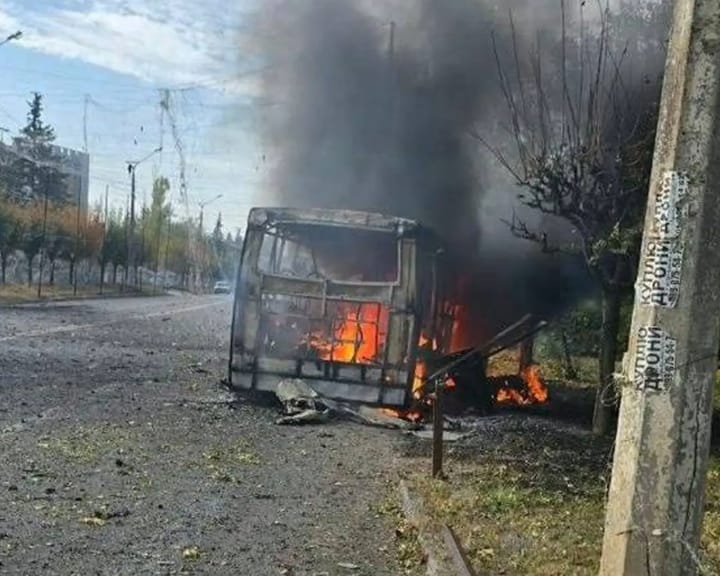
Russian Assault on Buses Near Ukraine Border Results in 30 Deaths
Thirty people have been killed and eighteen injured following an attack by Russia on two passenger buses in Kramatorsk, near the frontline in eastern Ukraine, according to local authorities.
The Donetsk regional prosecutor's office reported that the death toll from the morning attack on the buses had reached

Ethiopia Conducts Drone Strike on Eritrean Forces in Tigray Region
Eritrean forces reportedly crossed into Ethiopia's Tigray region and faced drone attacks from Ethiopian government forces, raising concerns about the potential for a broader regional conflict between the two neighboring countries.
Military vehicles transporting soldiers crossed the southern border of Eritrea into Tigray on Wednesday, reaching Adigrat, approximately

Israel Advances Film Resembling NAZA Documentary
The Israeli government is promoting an online film project designed to counter the findings of the award-winning documentary NAZA, which details Israel’s mass killings of civilians in Gaza. NAZA, directed by Oscar-winning filmmakers Yuval Abraham and Rachel Szor, is currently in cinemas and will be shown in