

Two years ago, Ruth Chepngetich shattered the women’s marathon world record in Chicago, prompting comparisons to the moon landing by commentators. Her astonishing time of 2:09:56 not only broke the previous record by 1:57 but also surpassed her personal best by five minutes. Following her run, when asked about doping allegations, Chepngetich responded, “People must talk. I don’t know.”
However, just five months later, Chepngetich's reputation took a hit. She failed a doping test and received a three-year ban. Today, her world record stands, as it was set prior to the positive test. Yet, her case raises important questions about the credibility of records in athletics.
Recently, Brett Clothier from the Athletics Integrity Unit expressed dissatisfaction with the situation, noting the clear rules under the world anti-doping code. Although Chepngetich was clean at the time of her record-setting run, the lingering doubts affect the sport’s integrity.
Suspicion is not new in athletics; many records from the 1980s and 1990s are viewed with skepticism due to state-sponsored doping. The case of Florence Griffith Joyner, who improved her times without a positive test, also stirs unease. Allegations of doping circulated around her, though no proof was ever found.
Chepngetich's case is unique as she received a lengthy ban so soon after setting a world record. Her defense—that she took her housemaid's medication for a rapid heartbeat—was deemed “hardly credible” by the AIU. The AIU also found concerning messages on her phone regarding testosterone and third-party programs.
When asked what can be done, the World Anti-Doping Agency (WADA) stated that removing her results would be legally challenging. They differentiated her case from that of Lance Armstrong, who contested his sanction but did not succeed.
One suggestion is for athletes to sign a social contract, agreeing to forfeit records if they test positive within a year. However, this would require a broad consensus and changes to the WADA code, making it unlikely.
Despite these challenges, athletics has made significant strides in anti-doping efforts, with 317 Kenyan athletes caught by the AIU since its inception. Some athletes and sponsors are taking proactive measures to ensure clean competition, indicating a commitment to integrity in the sport.
Read next

F1 to Make Comeback to Africa After 1993 with Rwanda Deal for Early 2030s
Formula One has responded to Lewis Hamilton’s call for a race in Africa by announcing that Rwanda will join the calendar. Hamilton, a seven-time world champion, has long urged the sport to return to the continent, with the last race held there in 1993. On Tuesday, F1 confirmed
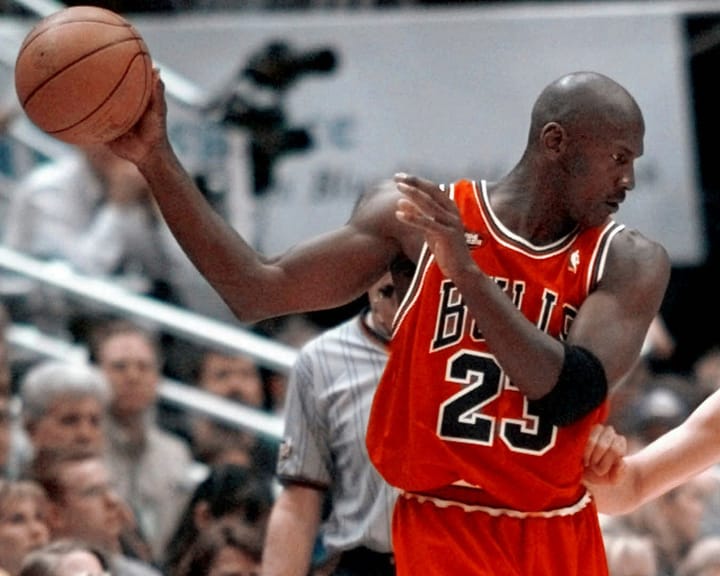
Michael Jordan's "Last Dance" Jersey Sells for Record $14 Million in Private Sale
A jersey worn by Michael Jordan during the 1998 NBA Finals has sold for $14 million, according to an auction house, marking the highest price ever recorded for a piece of basketball memorabilia.
Hunt Auctions revealed that the jersey was purchased by Miami real estate investor Ron Firman in a

Matt Richardson Ousted from GB Cycling Team Over Misconduct Allegations
Matt Richardson has been removed from the Great Britain cycling team ahead of the upcoming World Cycling Championships in Shanghai due to allegations of misconduct. British Cycling confirmed that the 27-year-old is leaving the team's base in China, though no specific reasons were provided for this