
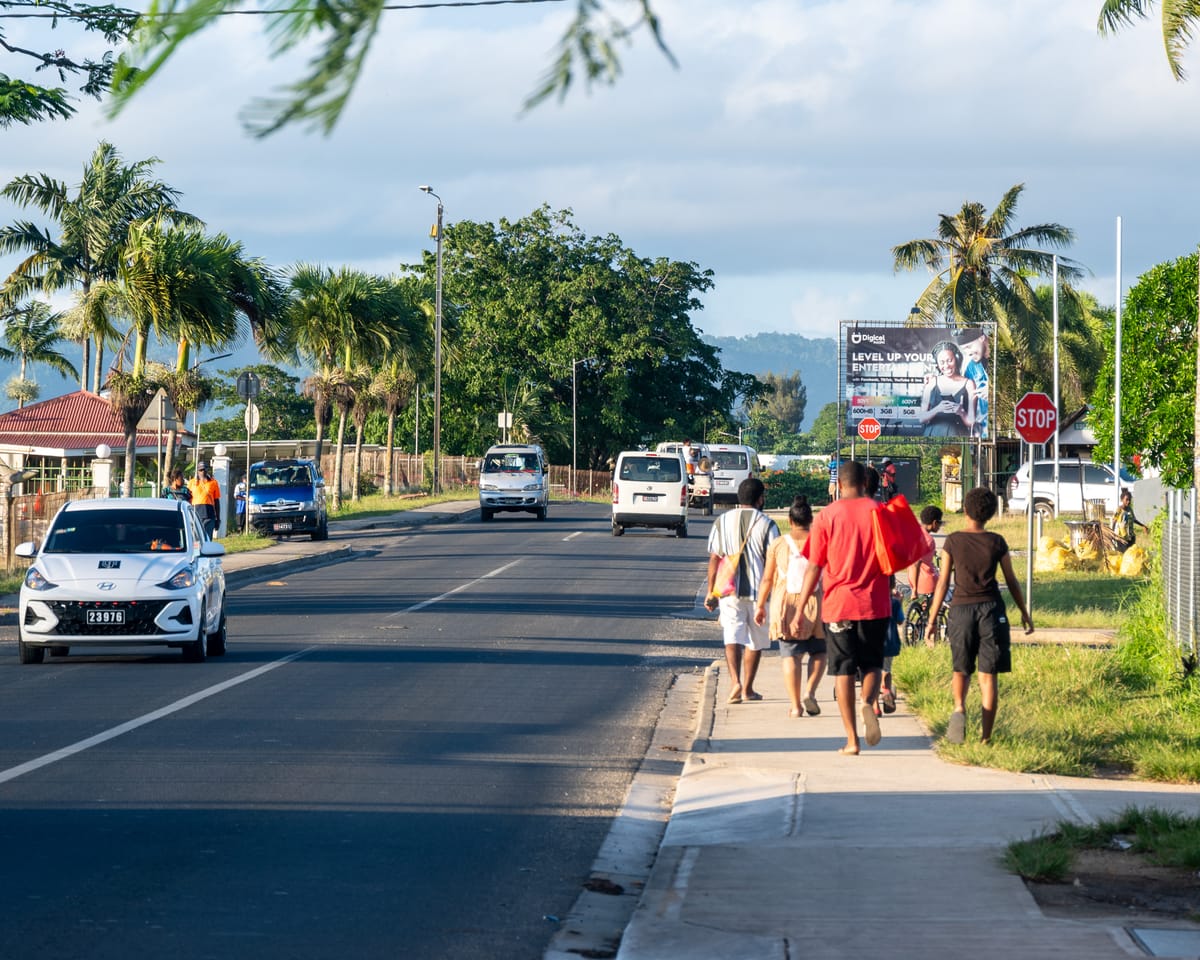
Australia is increasingly isolated in efforts to balance Beijing’s presence in the Pacific, maintaining its position as the top provider of official development assistance as contributions from the US and other Western nations decline, according to a new report.
The 2025 Lowy Institute Pacific Aid Map, released Sunday, tracks development funding from 2008 to 2023. It reveals a 16% drop in financial support for the region last year, totaling $3.6 billion—the second consecutive year of significant reduction.
Australia accounts for 43% of official development finance in the Pacific, quadruple that of second-place New Zealand.
“Australia’s consistent aid commitments and expanded infrastructure funding are helping offset reductions by other major donors,” said lead researcher Riley Duke.
Projections for 2024 to 2028 draw on early data, reflecting the Trump administration’s aid cuts and Australia’s efforts to fill the gap.
The scaling back of US assistance under Donald Trump has created uncertainty for Pacific programs, though the report notes the direct financial impact has been overstated. Still, it has weakened Washington’s regional credibility.
“The true cost of reduced US aid isn’t just financial—it’s the erosion of trust,” said Alexandre Dayant, project lead for the Lowy aid map. “As the US withdraws, China is gaining narrative control, positioning itself as a stable, hands-off partner where reliability matters.”
For Australia, the US pullback complicates efforts to counter Chinese influence. Meanwhile, Canberra’s role in Pacific development continues to grow.
“By 2028, Australia is expected to provide more than double the combined aid of Japan, New Zealand, the US, France, Germany, and the UK,” Duke noted.
China has shifted from large infrastructure loans to smaller grants and community-focused projects, enabling it to deepen political and local ties without increasing spending.
“While China’s aid budget is smaller than a decade ago, its projects are more frequent and locally tailored, fostering stronger grassroots connections,” Duke added.
The report compiles data from over 38,000 projects worth $80 billion across 76 development partners.
Australia is also collaborating with Pacific nations, including Chile, Fiji, France, New Zealand, Papua New Guinea, and Tonga, to improve disaster response.
Defense Minister Richard Marles attended the 2025 South Pacific defense ministers’ meeting in Chile, where members agreed to advance a regional crisis response initiative approved the previous year. The next stage will establish a permanent emergency unit for coordinated disaster management.
Read next
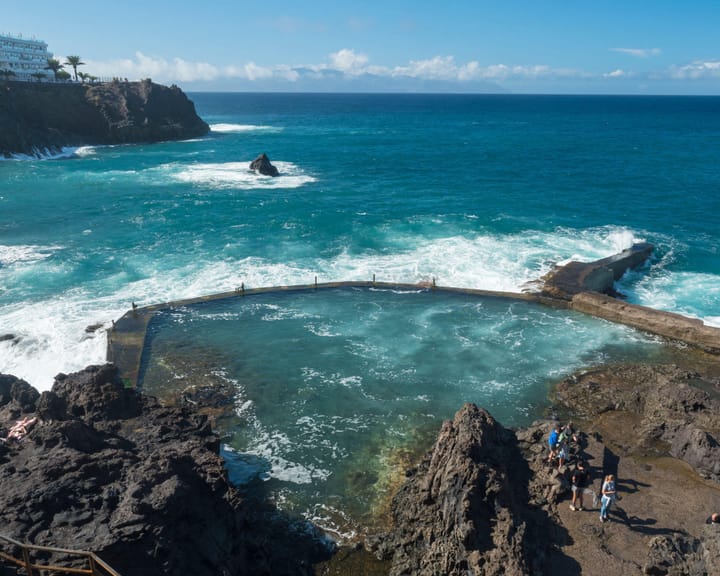
Deadly Tenerife Wave Claims Four Swimmers Pulled from Coastal Pool
Four individuals have died and another remains missing after a large wave swept swimmers from a well-known coastal pool along Tenerife’s western shore, Spanish officials confirmed Monday.
Rescuers retrieved three bodies on Sunday—a 35-year-old man, a 55-year-old woman, and a man whose details were not disclosed—during a
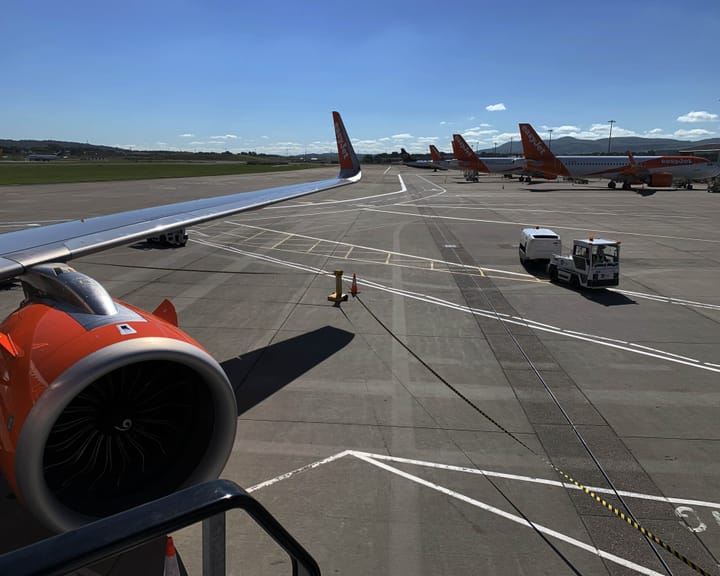
Edinburgh Airport flights back on track after air traffic control disruption – live updates
Flights Gradually Restart at Edinburgh Hub After Air Traffic Control Disruption
Air travel services are slowly recommencing at Edinburgh airport after a midday halt caused by technical complications within its air traffic management system.
Operations began gradually resuming around 10:40am, as confirmed in an update shared via the airport’

France, UK Accused of Inaction Against Migrant-Targeting Activist Groups
Criticism Over Inaction Against Anti-Migrant Activists in Northern France
UK and French officials have faced allegations of “promoting aggressive and xenophobic conduct” by not addressing British activists traveling to northern France to disrupt small boat crossings.
Nine French organizations assisting individuals in coastal camps released a statement criticizing both governments