
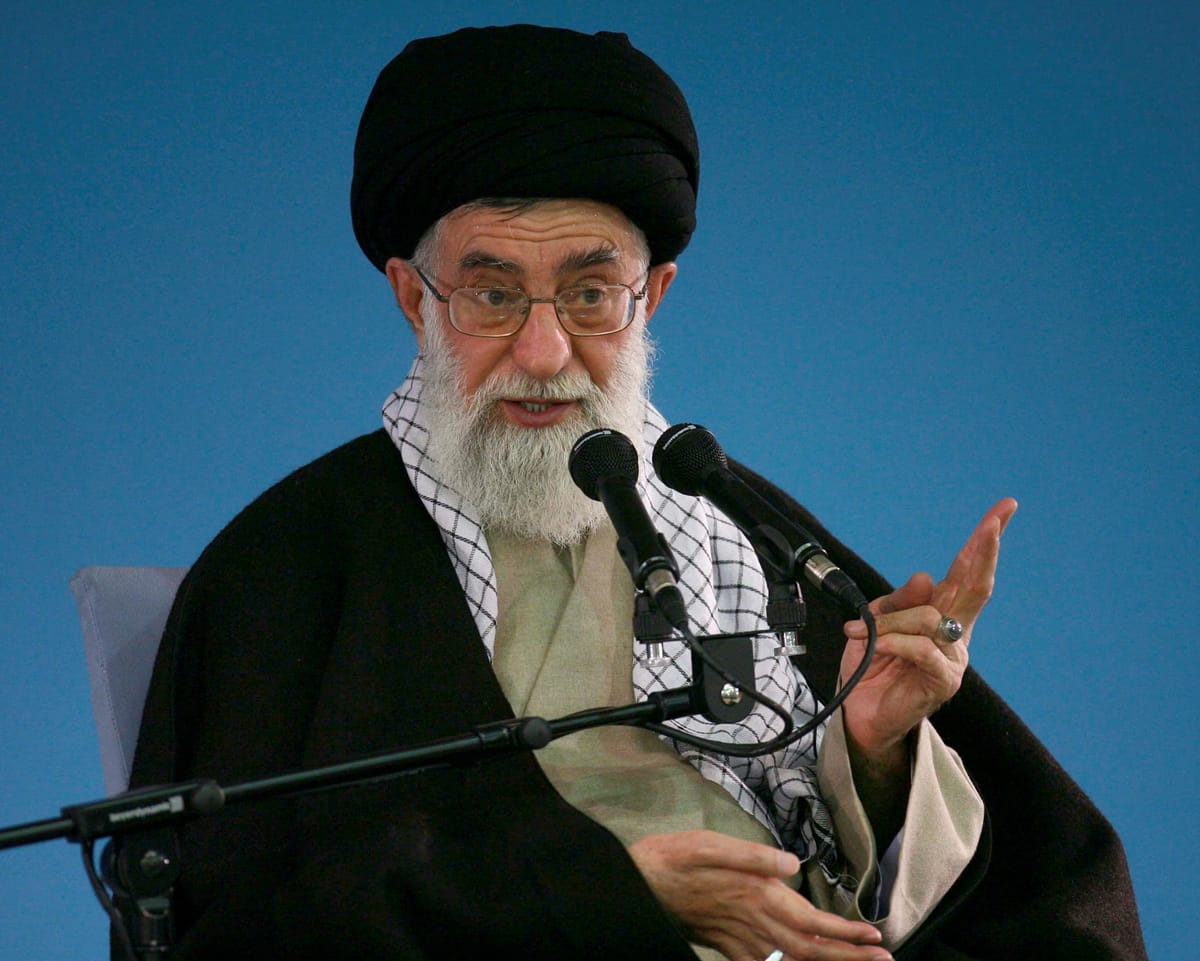
Ayatollah Ali Khamenei, Iran’s supreme leader, died at 86 during a massive air strike on the nation carried out by the United States and Israel. He headed a intricate theocratic regime that was imposed harshly within the country and aimed to shape political dynamics in other Middle‑Eastern states.
Although the United States and Israel tried to cripple Iran’s nuclear enrichment effort with a bombing offensive in June 2025, the operation fell short of its goal. The economy kept worsening, and in the following January Iranians flooded the streets to protest the Islamic Republic. Roughly 30,000 or more demonstrators were killed – the deadliest toll in recent Iranian history.
President Donald Trump deemed talks with Khamenei’s envoys on the nuclear question and missile development to be sluggish. When he announced the latest strike, he urged Iranians to do whatever they could to seize power once the conflict ended.
Khamenei rose to ultimate authority in 1989, already having served as the nation’s president. Iran’s 88‑member Assembly of Experts – senior Shia clerics – selected him to replace Ayatollah Ruhollah Khomeini, the 1979 revolutionary who toppled the Shah and founded the Islamic Republic, as supreme leader.
From that point onward Khamenei wielded unchecked power and the final say over Iran’s direction, whether concerning its disputed nuclear program or détente with the West. He acted as commander‑in‑chief of the Iranian armed forces, encompassing the regular army and the Islamic Revolutionary Guard Corps, and chaired the “axis of resistance” – an anti‑Western, anti‑Israeli coalition that includes Hezbollah in Lebanon, Hamas and Palestinian Islamic Jihad in Gaza, Shia militias in Iraq, the Houthi movement in Yemen, and Bashar al‑Assad’s regime in Syria.
Consequently, his rule directly affected much of the region, and under his guidance the Islamic Republic became one of the world’s most prominent state sponsors of terrorism. It retained considerable influence despite Hamas’s weakening after Israel’s retaliation to the 7 October 2023 attack, Hezbollah’s setbacks following Israeli strikes in Lebanon, and the ouster of Assad in 2024.
Nevertheless, much of Khamenei’s activity centered on shielding himself and his office from popular discontent and the errors of successive elected presidents. Mohammad Khatami, who served from 1997 to 2005, led a reformist wave that produced a brief thaw in U.S. relations, only to be eclipsed by the 1999 student protests that were violently suppressed.
Read next
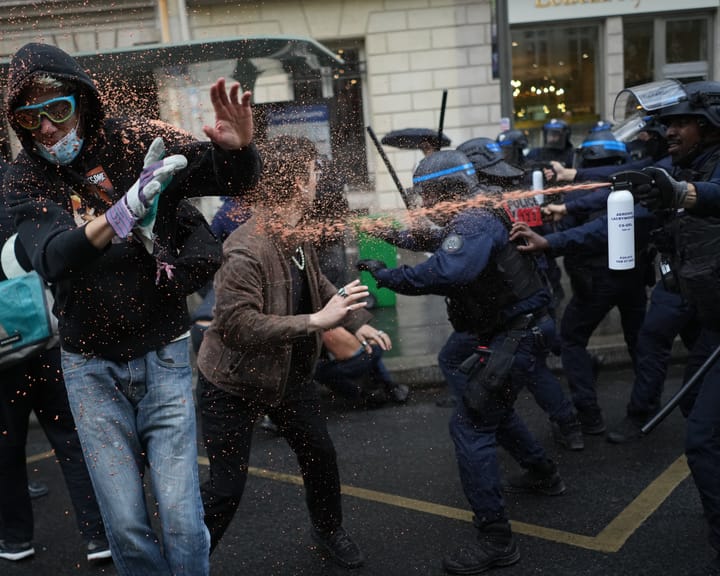
French Minister Refutes Police Brutality Claims Amid Ongoing Student Protests Across France – Europe Live
In recent developments, French Interior Minister Laurent Nuñez has refuted claims of excessive police force during the ongoing student protests in France. He emphasized that police action is only taken in response to violence or property damage. Addressing lawmakers, Nuñez described the protests as "unprecedented" due to the
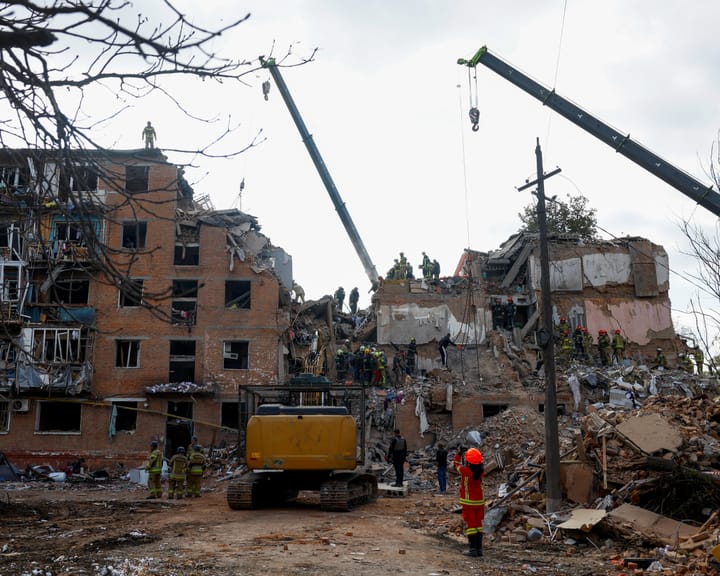
Ukraine Reports Russia Bombed Apartment Building Coinciding with Putin's Birthday
Volodymyr Zelenskyy has accused Russia's military of deliberately targeting civilians and bombing residential buildings as a grim gift for Vladimir Putin, who celebrates his 74th birthday on Wednesday.
Ukraine’s president described Russia’s overnight drone and missile strikes, which killed at least 24 people, as “despicable.” “The
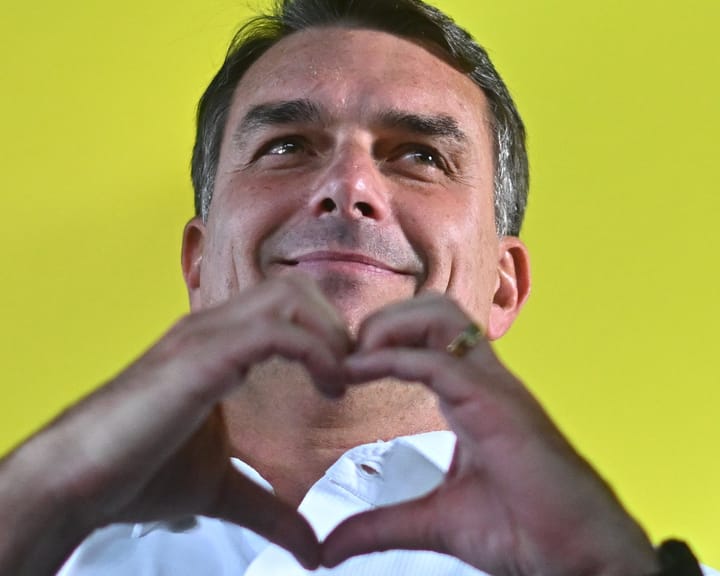
Fears of 'another coup d'état' grow as Flávio Bolsonaro vows to 're-democratise' Brazil
Flávio Bolsonaro, the leading candidate for Brazil's presidency, has promised to "re-democratise" the nation, raising concerns about potential authoritarian governance should he win. Brazil transitioned to democracy in the 1980s after a harsh 21-year dictatorship, a period lauded by Flávio's father, former