
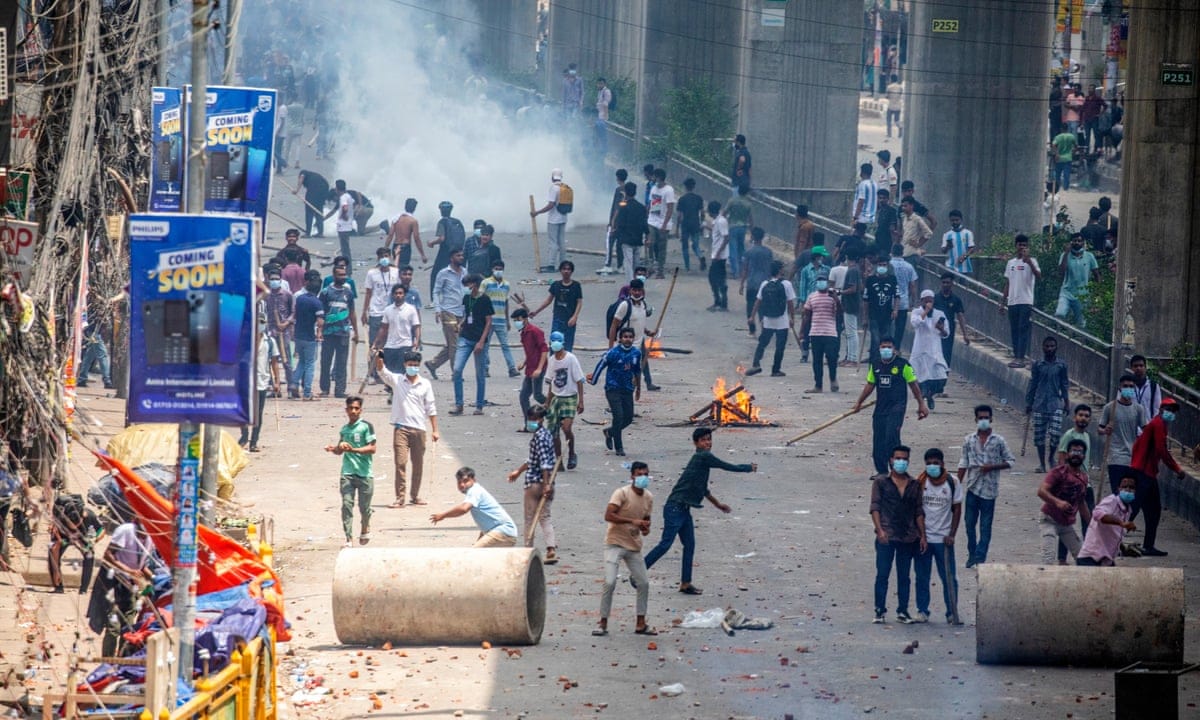
A communications blackout has been imposed in Bangladesh, with mobile internet access blocked and news broadcasts halted as protests continue to shake the nation, leading to 39 casualties this week.
On Thursday evening, the government announced the cessation of mobile internet services for security concerns amid escalating demonstrations led by tens of thousands of university students. Social media access was also restricted during this time.
The following day, news channels remained off air after a state broadcasting center in Dhaka was engulfed in flames due to protester actions.
These protests began on campus grounds this month with student demands for the abolition of a quota system reserving 30% of government positions for relatives who fought during Bangladesh's independence war in 1971. The policy has been criticized as biased towards certain groups and favoring members within the ruling Awami League party, under Prime Minister Sheikh Hasina's leadership.
The situation grew more volatile with claims of pro-government student groups attacking protesters. In response, police have utilized teargas and rubber bullets against demonstrators. Clashes between heavily armed riot police and students, some wielding sticks and stones, escalated nationwide, resulting in property damage and numerous injuries.
Reports from the Dhaka Times indicated a tragic incident involving one of their correspondents amidst clashes within the capital city. Protesters also set fire to Bangladesh Television's headquarters during Thursday night’s unrest. The telecommunications minister justified internet restrictions, citing misuse for spreading false information and rumors.
As a precautionary measure against the ongoing turmoil, Prime Minister Sheikh Hasina closed all higher education institutions indefinitely. Addressing the nation on Wednesday night, she condemned student fatalities but her assurances appeared insufficient to pacify tensions.
The following morning echoed with sounds of gunfire and explosions near university areas in Dhaka. Observers noted that protests have expanded beyond students' grievances against the quota system, now encompassing broader anti-government sentiments targeting Hasina and her administration.
Sheikh Hasina has been governing since 2009 and is known for implementing strict measures against political adversaries, including enforced disappearances. Critics argue these actions contribute to an atmosphere of fear, which she faced during the election in January where allegations of rigging surfaced.
The prime minister's comments comparing protesters with collaborators from Pakistan during Bangladesh's war of independence further incensed demonstrators. Despite quota abolition in 2018 and reinstatement last month, student discontent continues due to perceived favoritism towards political allies within the government system.
Pierre Prakash, Asia director for International Crisis Group, commented that ongoing protests are indicative of widespinas dissatisfaction with the country's governance and economic struggles, particularly concerning youth unemployment. He noted the lack of viable political alternatives as a contributing factor to street demonstrations.
UN spokesperson Stéphane Dujarric acknowledged the situation in Bangladesh and called for restraint from all sides involved.
Read next
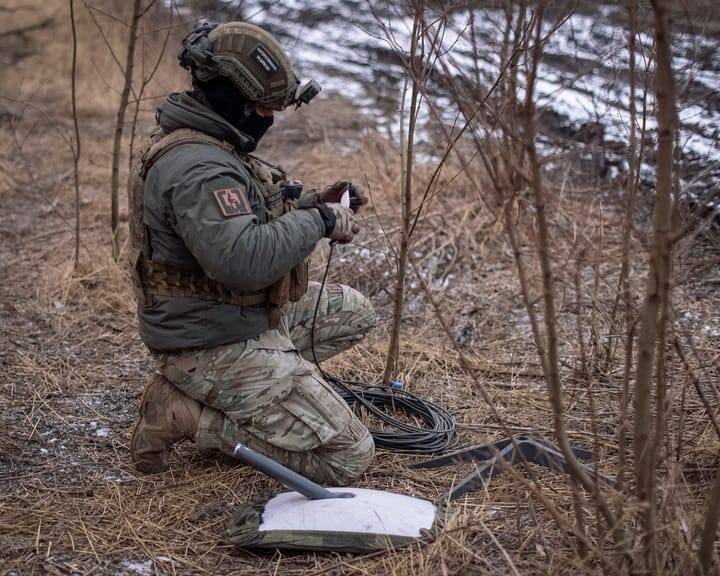
Ukrainian combat troops gain restricted access to Starlink satellite internet
Ukrainian soldiers experienced a sudden disruption in their access to Starlink satellite internet terminals amid increased pressure from the Trump administration for Ukraine to cease long-range attacks on Russia’s oil infrastructure. These terminals, managed by Elon Musk’s SpaceX, are vital for Ukraine's military operations. The
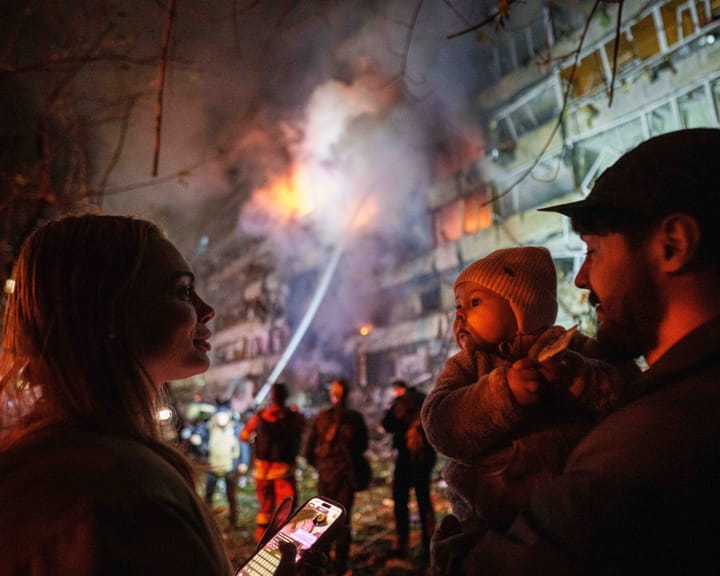
Russia's latest Ukraine attacks show 'disrespect' towards US, says Zelenskyy — Europe live
Sikorski Confronts Musk Over Starlink in Ukraine
Poland’s Foreign Minister Radosław Sikorski recently addressed Elon Musk on X, questioning reported restrictions on Starlink services in Ukraine. Poland contributes significantly to Ukraine’s funding of Starlink, which is crucial for maintaining internet connectivity in Kyiv and its military operations, with

"Breaking Stigma: Nikita Jager's Triumph in Civil Rape Case Against Conor McGregor"
Nikita Hand faced a challenging decision when considering a civil case against Conor McGregor following a 2018 assault. Despite her personal reservations about being an "imperfect victim" due to alcohol and drug use on the night of the incident, she chose to proceed. This decision stemmed from her