
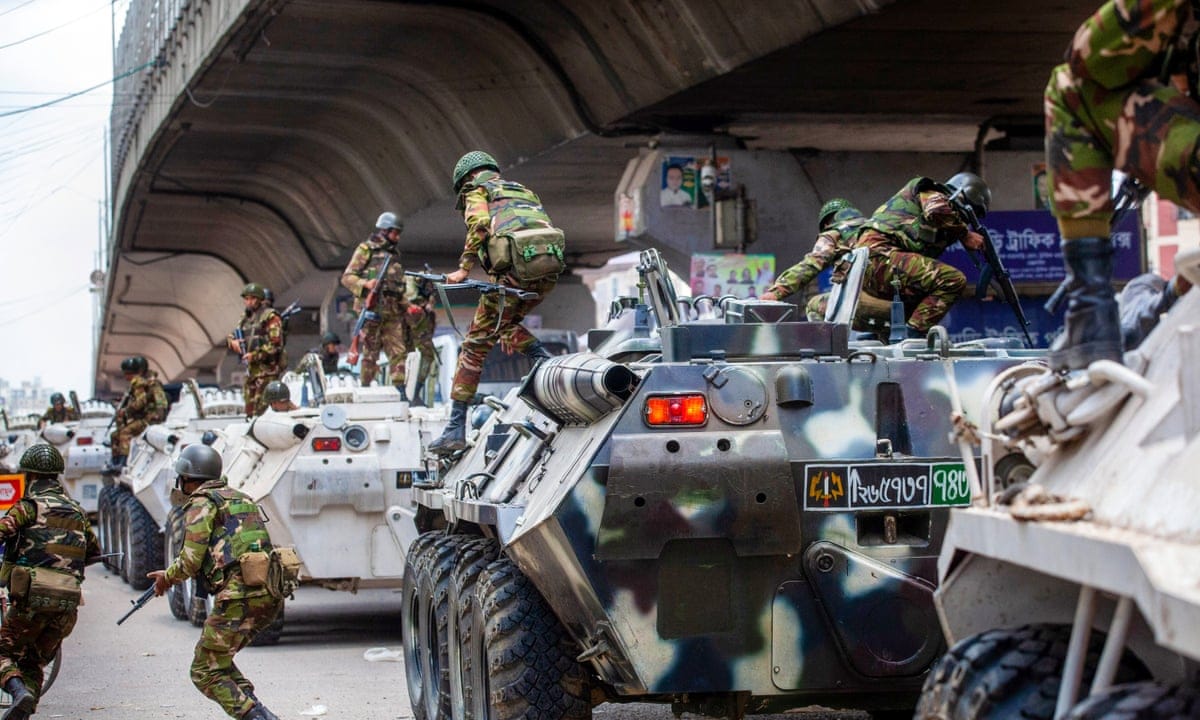
Authorities in Bangladesh have granted orders allowing officers to use lethal force without warning amid student-led demonstrations that continue across the country, resulting in over 100 fatalities.
A nationwide curfew has been imposed since midnight on Friday with an anticipated duration until Sunday morning as law enforcement endeavors to regain control of a rapidly escalating security situation. The streets are now patrolled by military personnel.
The curfew briefly lifted in the afternoon, permitting individuals to carry out essential tasks while advising citizens to remain indoors and prohibiting gatherings or demonstrations. In addition, the government has enacted a communications blackout, blocking internet and social media access since Thursday night.
Although official figures on casualties are not disclosed by authorities, local reports suggest thousands have been injured and over 115 people killed. Police officers granted authority to use lethal force against those violating curfew regulations, according to Obaidul Quader of the ruling Awami League party.
Protests initiated on university campuses earlier this month as students opposed civil service job quotas they believe are unfair and favor the ruling party led by Prime Minister Sheikh Hasina. The movement has since expanded beyond campus boundaries, challenging her administration's governance over the past decade. Accusations of authoritarianism, police misconduct, and corruption surround her rule, with allegations of a rigged re-election in January leading to opposition boycotts. The country faces economic struggles amidst COVID-19, resulting in high unemployment rates and soaring inflation.
Shafkat Mahmud, 28, an Uttara resident involved in the protests, stated that the movement has evolved into widespread civilian dissent comparable to a civil conflict. After internet access was cut off on Thursday night, he claimed police resorted from using rubber bullets to lethal weaponry against demonstrators. Mahmud detailed encounters with pro-government groups who utilized weapons such as machetes and firearms during protests where bodies were taken away amid the chaos.
He emphasized that families are now partaking in the protest, transitioning from student-led to nationwide demonstrations driven by a desire for governmental change after experiencing police brutality against protesters. Mahmud expressed hope for the resignation of current officials and advocated for systemic reforms within universities.
Reports indicate that pro-government factions attacked peaceful protesters earlier in the week, with law enforcement accused of provoking violence using tear gas, rubber bullets, and stun grenades. Demonstrators also breached state television facilities and released hundreds of prisoners from a central jail on Friday night.
On Friday, the most lethal day of demonstrations to date, police were alleged to have fired live ammunition at protesters, potentially resulting in 40 fatalities. Talks between representatives from both sides took place late on Friday with student leaders seeking comprehensive changes to quotas and reopening universities as part of their demands. Law and justice minister Anisul Huq expressed openness towards negotiating these issues later the same day.
Read next
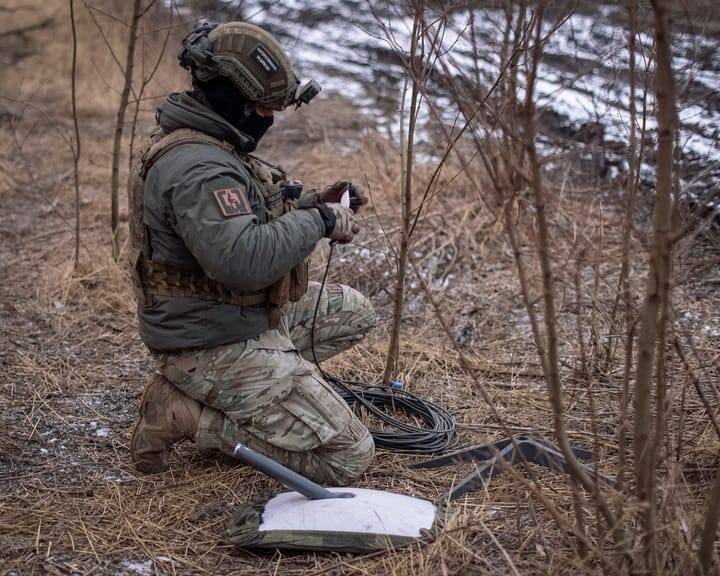
Ukrainian combat troops gain restricted access to Starlink satellite internet
Ukrainian soldiers experienced a sudden disruption in their access to Starlink satellite internet terminals amid increased pressure from the Trump administration for Ukraine to cease long-range attacks on Russia’s oil infrastructure. These terminals, managed by Elon Musk’s SpaceX, are vital for Ukraine's military operations. The
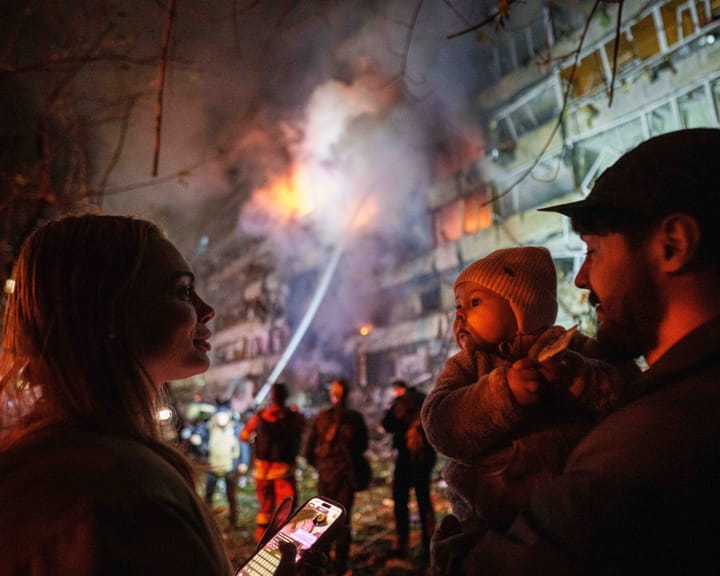
Russia's latest Ukraine attacks show 'disrespect' towards US, says Zelenskyy — Europe live
Sikorski Confronts Musk Over Starlink in Ukraine
Poland’s Foreign Minister Radosław Sikorski recently addressed Elon Musk on X, questioning reported restrictions on Starlink services in Ukraine. Poland contributes significantly to Ukraine’s funding of Starlink, which is crucial for maintaining internet connectivity in Kyiv and its military operations, with
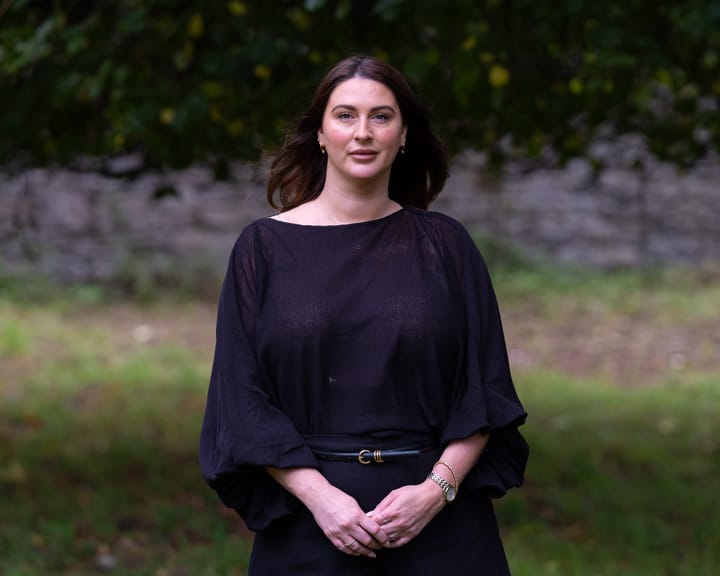
"Breaking Stigma: Nikita Jager's Triumph in Civil Rape Case Against Conor McGregor"
Nikita Hand faced a challenging decision when considering a civil case against Conor McGregor following a 2018 assault. Despite her personal reservations about being an "imperfect victim" due to alcohol and drug use on the night of the incident, she chose to proceed. This decision stemmed from her