
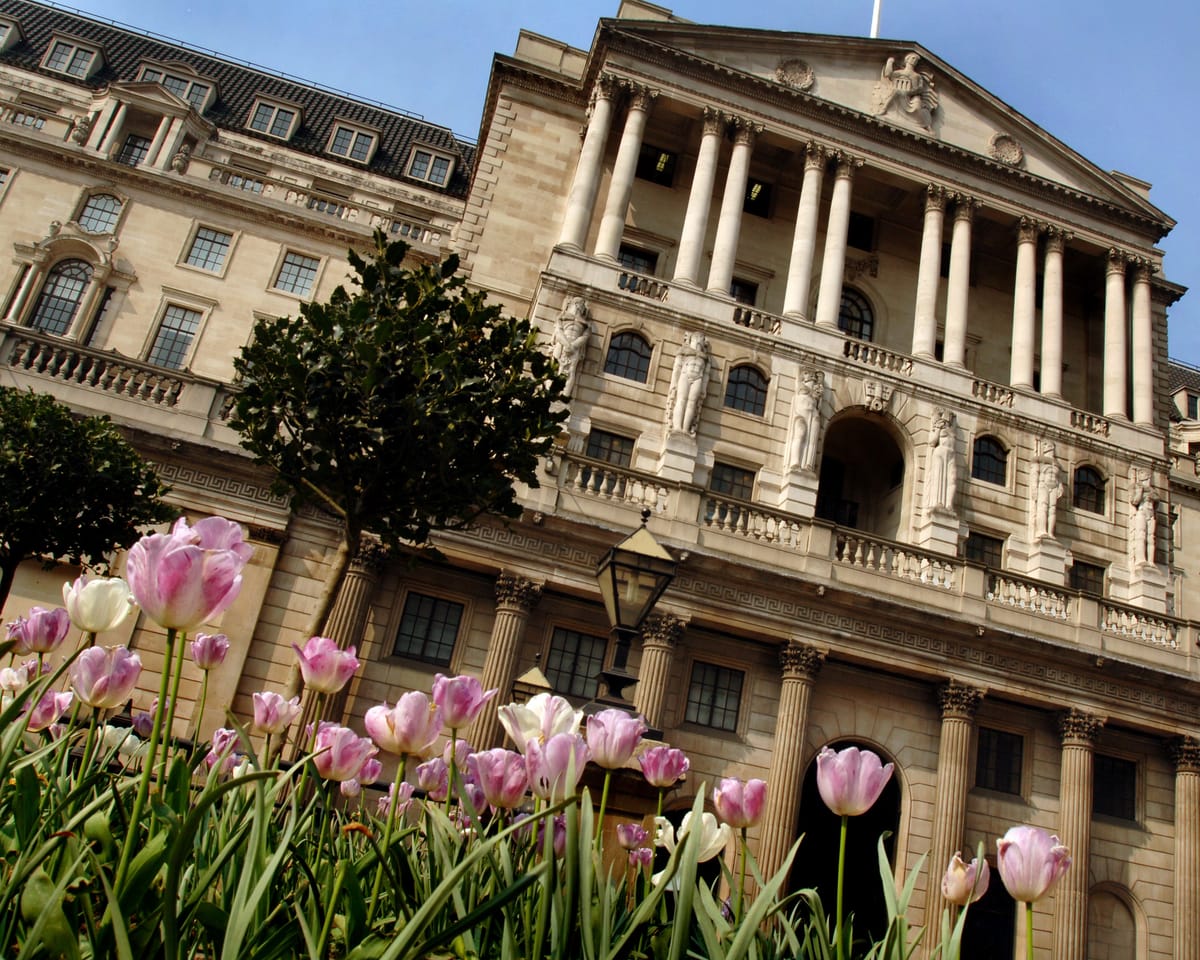
Bank of England Warns of Potential Market Turmoil Amid AI Valuation Surge
The Bank of England has cautioned about an increasing risk of a "sudden correction" in global markets, highlighting concerns over rapidly rising valuations of major AI-focused technology firms.
Officials noted additional threats, including a potential "sharp repricing of US dollar assets" if confidence in the Federal Reserve weakens among international investors. This follows repeated criticism of the US central bank by Donald Trump, raising questions about its independence.
Enthusiasm over AI's future prospects has driven company valuations higher in recent months. For instance, OpenAI’s estimated worth has climbed to $500bn (£372bn), up from $157bn last October. Another firm, Anthropic, saw its valuation nearly triple from $60bn in March to $170bn last month.
However, the Bank of England’s Financial Policy Committee (FPC) stated on Wednesday: “The risk of a sharp market correction has increased.”
“By several measures, equity market valuations appear elevated, especially for AI-focused technology companies. This could leave markets vulnerable if expectations around AI’s impact become less optimistic.”
The FPC warned that investors may not be fully accounting for these risks, adding that “a sudden correction could occur” if they materialize, potentially reducing funding availability for households and businesses. The committee noted: “As an open economy with a leading financial center, the UK is exposed to spillover effects from such global shocks.”
Doubts over the AI sector have grown following research from the Massachusetts Institute of Technology indicating that 95% of organizations have seen no returns from investments in generative AI. This has raised fears that stock market valuations could decline if optimism about AI’s progress fades.
The FPC stated that such a shift “could drive a re-evaluation of currently high expected future earnings.”
It added: “Significant constraints on AI development—such as shortages in energy, data, or key supplies—as well as major breakthroughs that alter infrastructure demands for powerful AI models, could also negatively affect valuations, including for firms banking on heavy AI-related investments.”
The FPC also warned that ongoing political challenges to Federal Reserve independence in the US could undermine financial stability.
“Recent statements questioning the Federal Reserve’s autonomy… could, if perceptions shift abruptly, lead to sharp adjustments in the value of US dollar assets, including government debt, potentially causing higher volatility, increased risk premiums, and global repercussions.”
Read next

US Postal Service faces cash shortage by Feb 2027, agency chief warns
The United States Postal Service faces a cash shortfall within the next twelve months unless Congress removes the borrowing limit imposed on the agency, the postmaster general warned.
Speaking to the Associated Press, David Steiner said the service – which funds its operations through stamps and fees rather than tax revenue

UniCredit launches aggressive bid for Commerzbank as European takeover war intensifies
Two major European banks have entered a €35 billion (£30 billion) takeover contest after Italy’s UniCredit intensified its long‑standing bid for German lender Commerzbank, despite firm resistance from the German government.
UniCredit initially acquired a 9 % stake in Commerzbank in September 2024 and has since increased its holding

IEA weighs tapping additional oil reserves amid Iran conflict driving up prices
The international energy regulator is weighing another release of emergency crude reserves into the world market to temper climbing oil prices, after cautioning that market recovery will be slow following the ongoing strait of Hormuz crisis.
Fatih Birol, chief of the International Energy Agency, noted that member nations still hold