
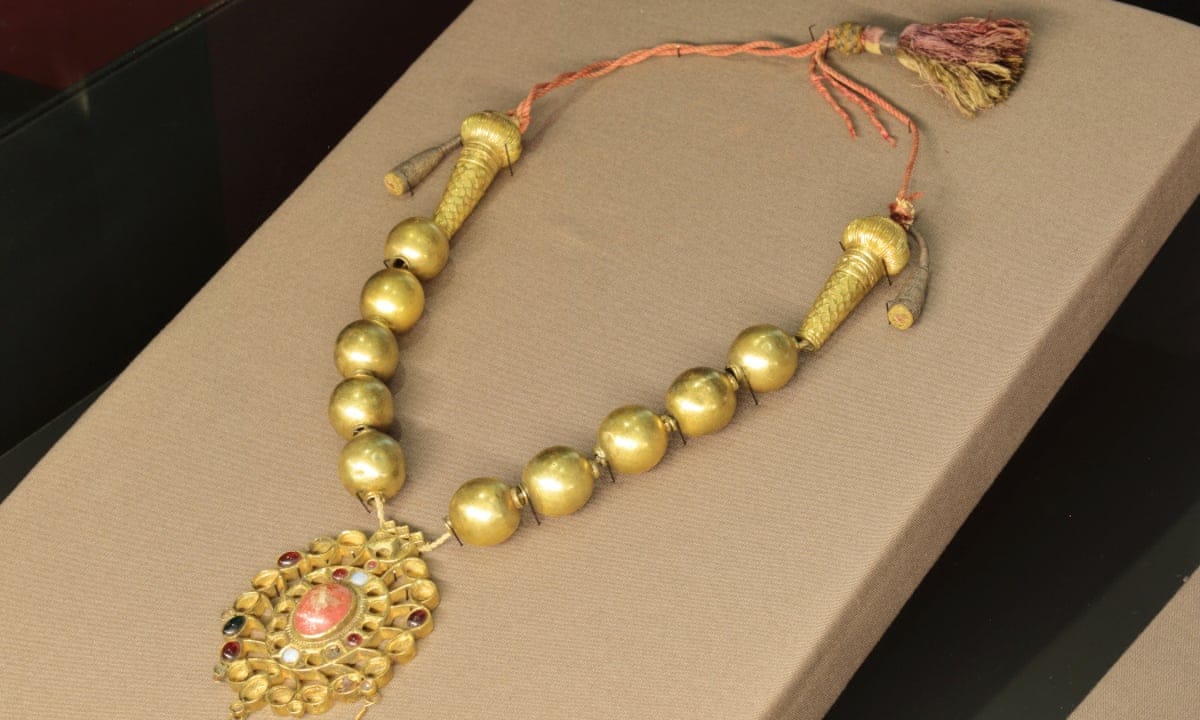
For years, a lustrous necklace adorned with copper beads and glass gems was showcased at the Royal Museum for Central Africa located near Brussels. Believed to belong to a notorious 19th-century slave trader, this item featured ten brightly polished copper beads suspended on silk, alongside red glass "jewels" set onto an intricate medallion. However, the true origins of these African artifacts in Belgium remained unknown.
The museum documented the necklace's presence first back in 1959. A decade prior to that, a Greek resident of the former Belgian Congo attempted unsuccessfully to sell it at the museum after having acquired it from an anonymous mechanic who then obtained it from a Congolese chief – as per the archive records.
This straightforward narrative, however, concealed a much more complex and violent history. The necklace once belonged to Yakaumbu Kamanda Lumpungu, head of the Songye tribe in Kabinda, situated at the heart of today's Democratic Republic of Congo (DRC). As an advocate for Congolese independence, Lumpungu was executed by colonial administration in 1936 due to false allegations of murder – a claim that his descendants vehemently refute. The necklace had been inherited from his father and gifted to his favorite wife, Mfute. His relatives have since expressed doubt over the possibility of Lumpungu voluntarily parting with such a significant possession.
Almost nine decades after Lumpungu's demise, this piece is among numerous artifacts on display in an exhibition currently running at the Royal Museum for Central Africa until September 29th. The museum underwent substantial changes and rebranded as the AfricaMuseum in 2018 following its renovation.
This event marks a shift away from promoting colonial ideals and towards acknowledging and addressing the complicated history surrounding these artifacts, sparking discussions on restitution and cultural representation within the museum setting.
Read next
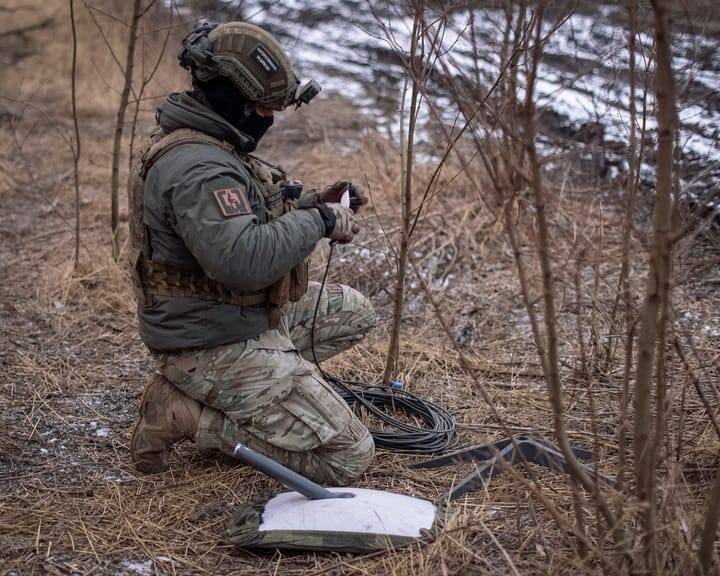
Ukrainian combat troops gain restricted access to Starlink satellite internet
Ukrainian soldiers experienced a sudden disruption in their access to Starlink satellite internet terminals amid increased pressure from the Trump administration for Ukraine to cease long-range attacks on Russia’s oil infrastructure. These terminals, managed by Elon Musk’s SpaceX, are vital for Ukraine's military operations. The

Russia's latest Ukraine attacks show 'disrespect' towards US, says Zelenskyy — Europe live
Sikorski Confronts Musk Over Starlink in Ukraine
Poland’s Foreign Minister Radosław Sikorski recently addressed Elon Musk on X, questioning reported restrictions on Starlink services in Ukraine. Poland contributes significantly to Ukraine’s funding of Starlink, which is crucial for maintaining internet connectivity in Kyiv and its military operations, with

"Breaking Stigma: Nikita Jager's Triumph in Civil Rape Case Against Conor McGregor"
Nikita Hand faced a challenging decision when considering a civil case against Conor McGregor following a 2018 assault. Despite her personal reservations about being an "imperfect victim" due to alcohol and drug use on the night of the incident, she chose to proceed. This decision stemmed from her