
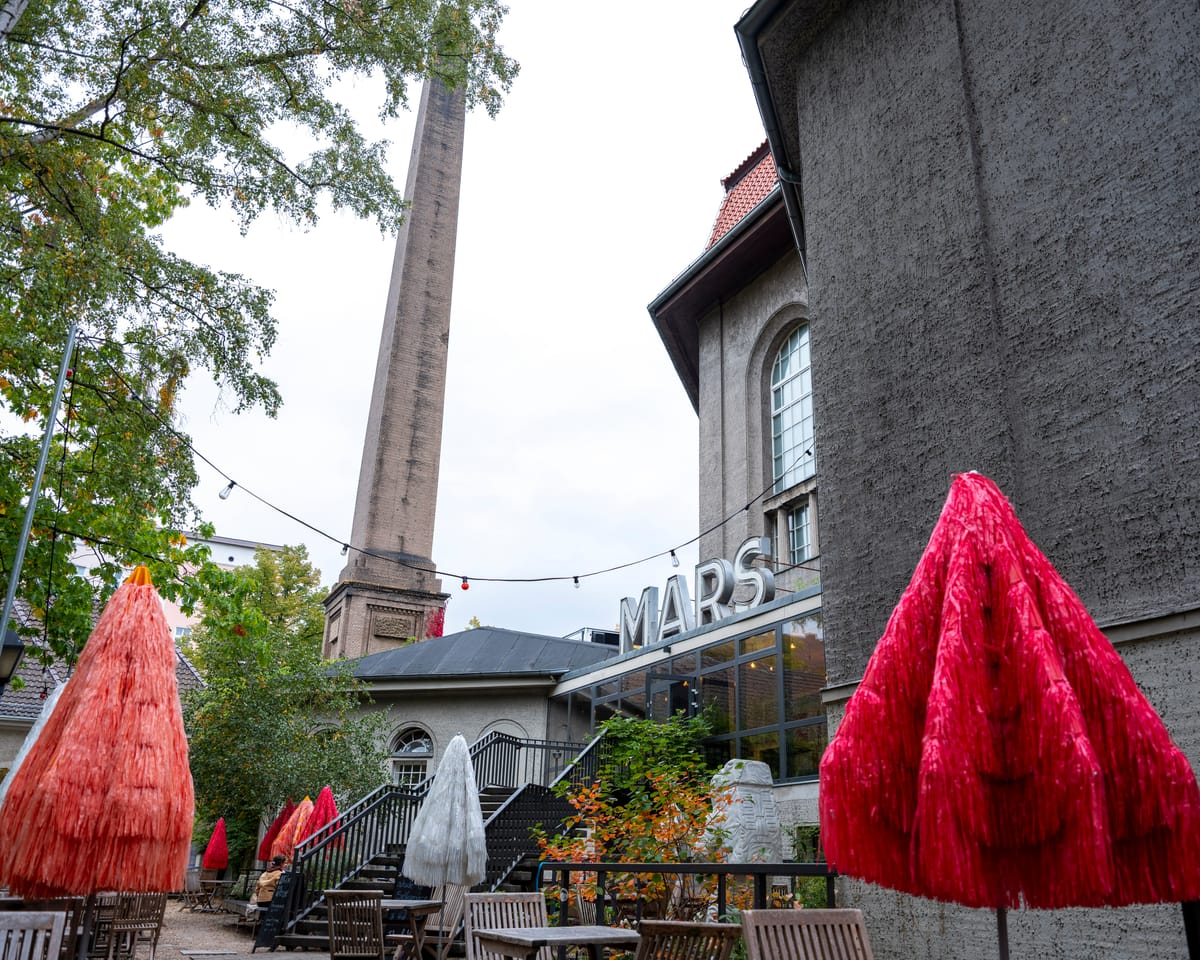
Cemetery Cafés Offer Quiet Refuge in Berlin’s Heart
Tucked away in some of the city’s most peaceful, tree-lined corners, these unique spaces have become a way of life for those who cherish tranquility amidst the past.
Berlin is home to around a dozen cemetery cafes—places not solely for mourning, though they can serve that purpose, but also as serene retreats in bustling neighborhoods.
Unlike cities like Paris or New York, where burial grounds often occupy vast peripheries, Berlin’s cemeteries have remained intimate and deeply connected to local communities.
Over the past ten years, there has been a rise in cafes opening within cemetery walls, even in repurposed crematoriums. Early worries that visitors might be unsettled or mourners disturbed have mostly faded.
One such spot, Lisbeth, occupies a former parish building surrounded by mature Japanese cherry trees. It is run by Chiara de Martin Topranin, 30, who moved from Italy and discovered the opportunity through an online post seeking someone to manage "a charming spot in Mitte with a lovely garden."
Sipping a cappuccino with a view of the Protestant Sophien cemetery’s rolling headstones, Topranin admits she hesitated when she learned the location.
“As an Italian, it was unthinkable,” she says. “For us, death is hidden. My family asked, ‘Chiara, have you lost your mind?’ But the more I considered it, the more I felt I had to do it.”
Since taking over, Topranin, a psychology graduate, noticed that visitors arrive with a different energy than at typical street cafes. “Once they pass through the gates, they seem more reflective, a little softer.”
She aims to balance the needs of grieving visitors with those simply seeking a quiet lunch spot.
“I don’t host weddings,” she says. “Birthdays are possible, but they must be modest—never a loud celebration. Some guests take drinks near the graves, but I remind them there are limits.”
Though these cafes have grown in popularity, few patrons know their origins trace back to the AIDS crisis and shifting attitudes toward death.
Bernd Boßmann is credited with starting the movement, opening Germany’s first cemetery cafe in 2006. His establishment, Finovo, is in Schöneberg, a historic center of LGBTQ+ life.
A veteran advocate for HIV research in the 1980s, Boßmann came out during a time when the disease was wrongly called the “gay plague.” He witnessed countless friends die young, many buried in the storied Old St. Matthäus cemetery, where the Brothers Grimm were laid to rest a century earlier.
Read next
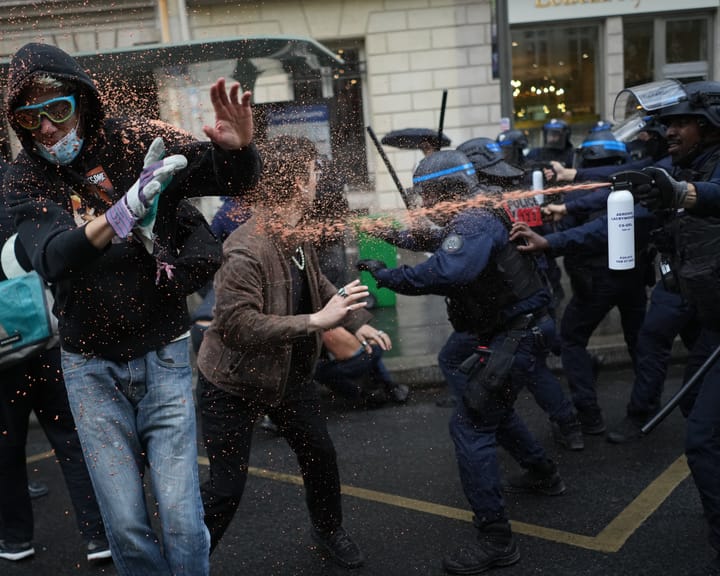
French Minister Refutes Police Brutality Claims Amid Ongoing Student Protests Across France – Europe Live
In recent developments, French Interior Minister Laurent Nuñez has refuted claims of excessive police force during the ongoing student protests in France. He emphasized that police action is only taken in response to violence or property damage. Addressing lawmakers, Nuñez described the protests as "unprecedented" due to the
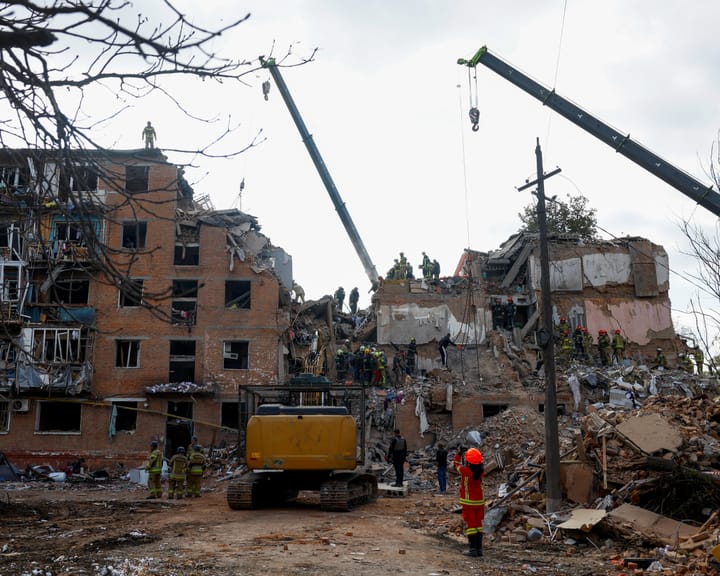
Ukraine Reports Russia Bombed Apartment Building Coinciding with Putin's Birthday
Volodymyr Zelenskyy has accused Russia's military of deliberately targeting civilians and bombing residential buildings as a grim gift for Vladimir Putin, who celebrates his 74th birthday on Wednesday.
Ukraine’s president described Russia’s overnight drone and missile strikes, which killed at least 24 people, as “despicable.” “The
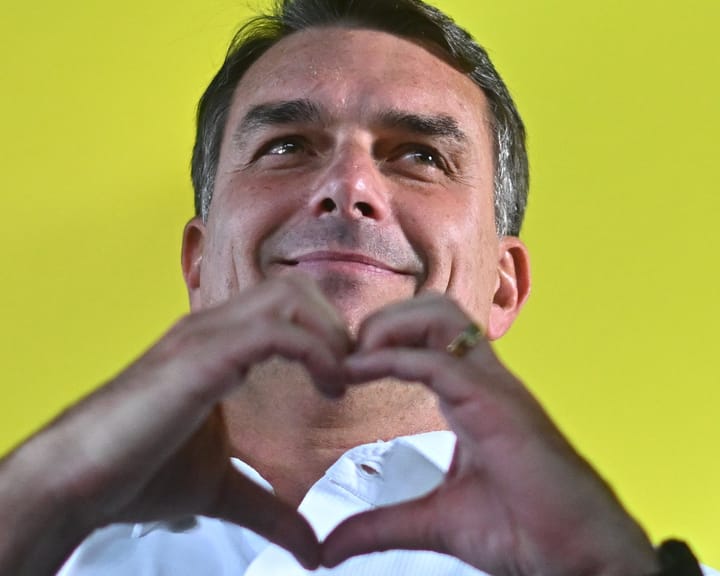
Fears of 'another coup d'état' grow as Flávio Bolsonaro vows to 're-democratise' Brazil
Flávio Bolsonaro, the leading candidate for Brazil's presidency, has promised to "re-democratise" the nation, raising concerns about potential authoritarian governance should he win. Brazil transitioned to democracy in the 1980s after a harsh 21-year dictatorship, a period lauded by Flávio's father, former