
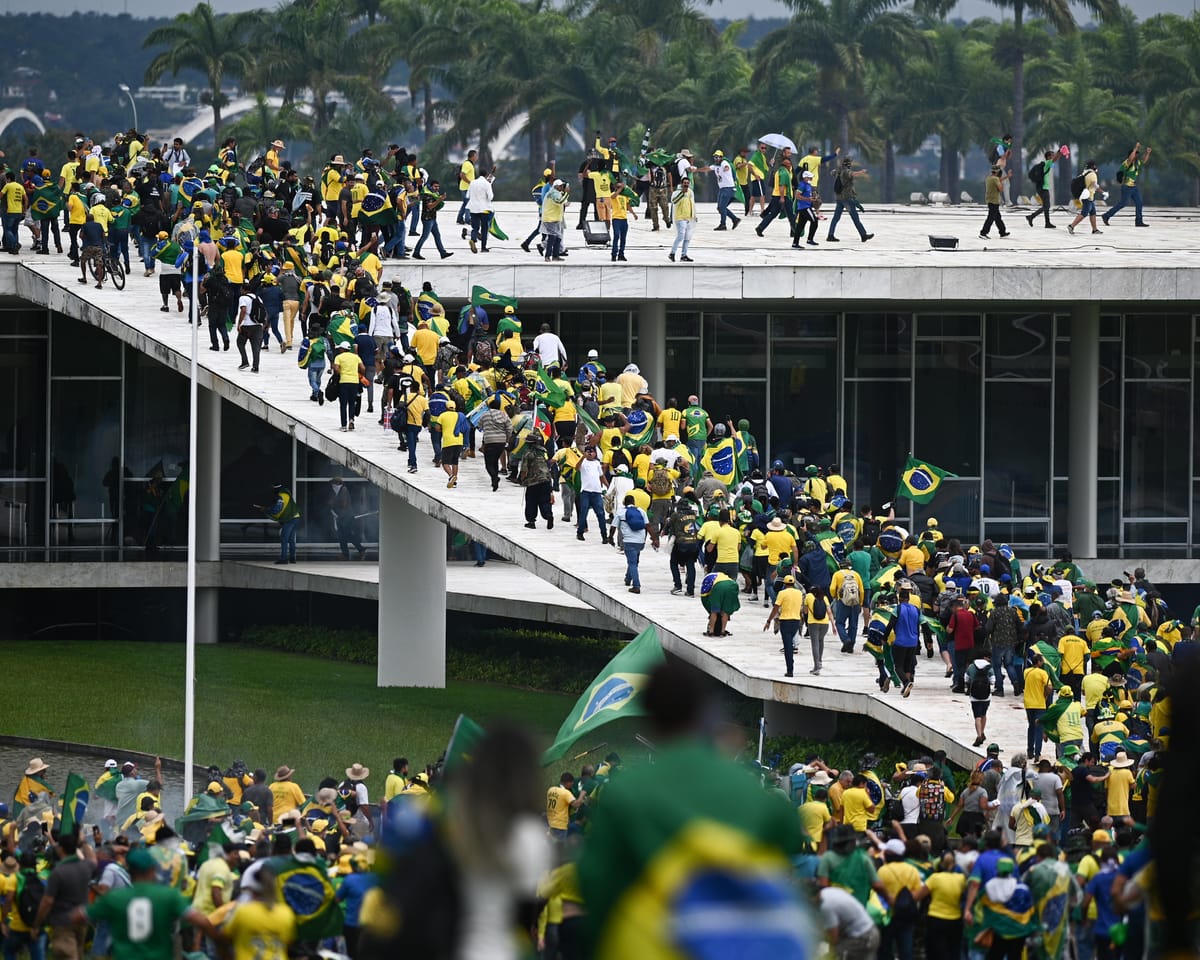
Hours after supporters of former president Jair Bolsonaro stormed government buildings in Brasília on 8 January 2023, three electricity transmission towers were dismantled in separate locations, between 1,000 and 1,800 miles from the capital.
In the days that followed, 21 more towers were destroyed using the same method: bolts were removed from the bases, and supporting steel cables were severed. Those responsible clearly understood which power lines to target to maximize disruption.
The precision of the attacks led investigators to suspect the involvement of members of an elite unit within the Brazilian army, trained in sabotage operations, including attacks on critical infrastructure.
Nearly three years later, no one has been held accountable for these acts.
Last month, Bolsonaro was convicted of attempting to undermine democracy, along with seven of his closest associates, including five high-ranking military officials. In a nation with a history of numerous coup attempts, this was the first time in Brazil’s history that the architects of such a plot were prosecuted and found guilty.
While the verdict was met with relief by advocates of democracy, many analysts—along with some former officers—warn that the armed forces as an institution have not faced consequences. The same attitudes and training that led to past conspiracies, they argue, persist today.
“The threat of another coup remains very real,” said Rubens Pierrotti Jr, a retired colonel with 32 years of military service, now a lawyer and writer.
Twenty-five suspects—including 18 military personnel, five of them from the elite unit—are set to stand trial in the coming months.
However, not all military figures linked to the attempt to overturn the election have been identified, much less charged.
At least five members of the elite unit implicated in a plot to abduct or kill President Luiz Inácio Lula da Silva, his vice-president, and a supreme court justice remain unnamed.
Although over 1,000 individuals have been charged for their involvement in the riot, estimates suggest many more participated. Some rioters displayed specialized tactics, such as wearing protective gloves to handle gas canisters.
On the night of the uprising, two army generals prevented security forces from arresting demonstrators camped outside a military facility. Police were only permitted to detain them the next morning, allowing numerous suspects to escape. The financiers of the riot—allegedly covering travel and lodging costs for those who gathered in Brasília—are still unidentified.
Lucas Pedretti, an expert on Brazil’s military dictatorship, noted that the armed forces have worked to shift blame onto individuals while avoiding institutional accountability.
Read next
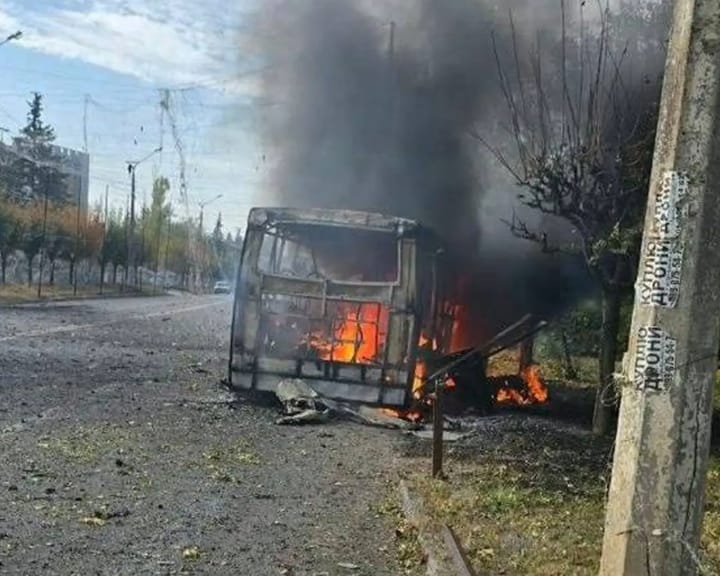
Russian Assault on Buses Near Ukraine Border Results in 30 Deaths
Thirty people have been killed and eighteen injured following an attack by Russia on two passenger buses in Kramatorsk, near the frontline in eastern Ukraine, according to local authorities.
The Donetsk regional prosecutor's office reported that the death toll from the morning attack on the buses had reached
Ethiopia Conducts Drone Strike on Eritrean Forces in Tigray Region
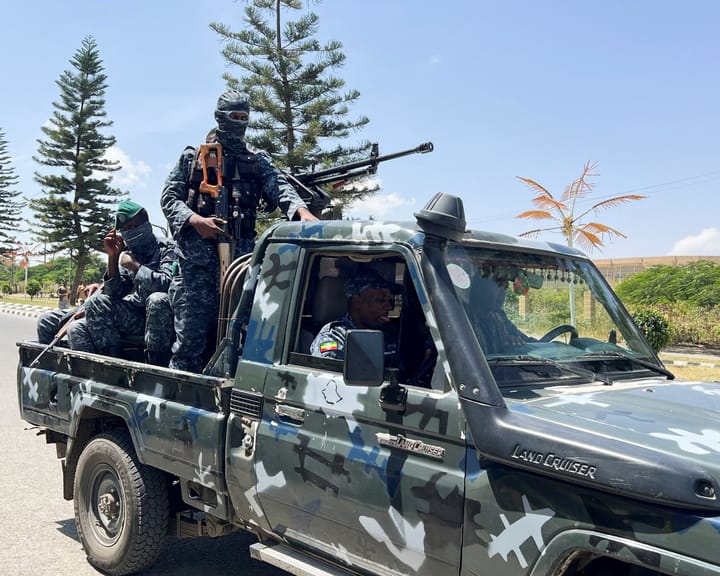
Eritrean forces reportedly crossed into Ethiopia's Tigray region and faced drone attacks from Ethiopian government forces, raising concerns about the potential for a broader regional conflict between the two neighboring countries.
Military vehicles transporting soldiers crossed the southern border of Eritrea into Tigray on Wednesday, reaching Adigrat, approximately
Israel Advances Film Resembling NAZA Documentary
The Israeli government is promoting an online film project designed to counter the findings of the award-winning documentary NAZA, which details Israel’s mass killings of civilians in Gaza. NAZA, directed by Oscar-winning filmmakers Yuval Abraham and Rachel Szor, is currently in cinemas and will be shown in