
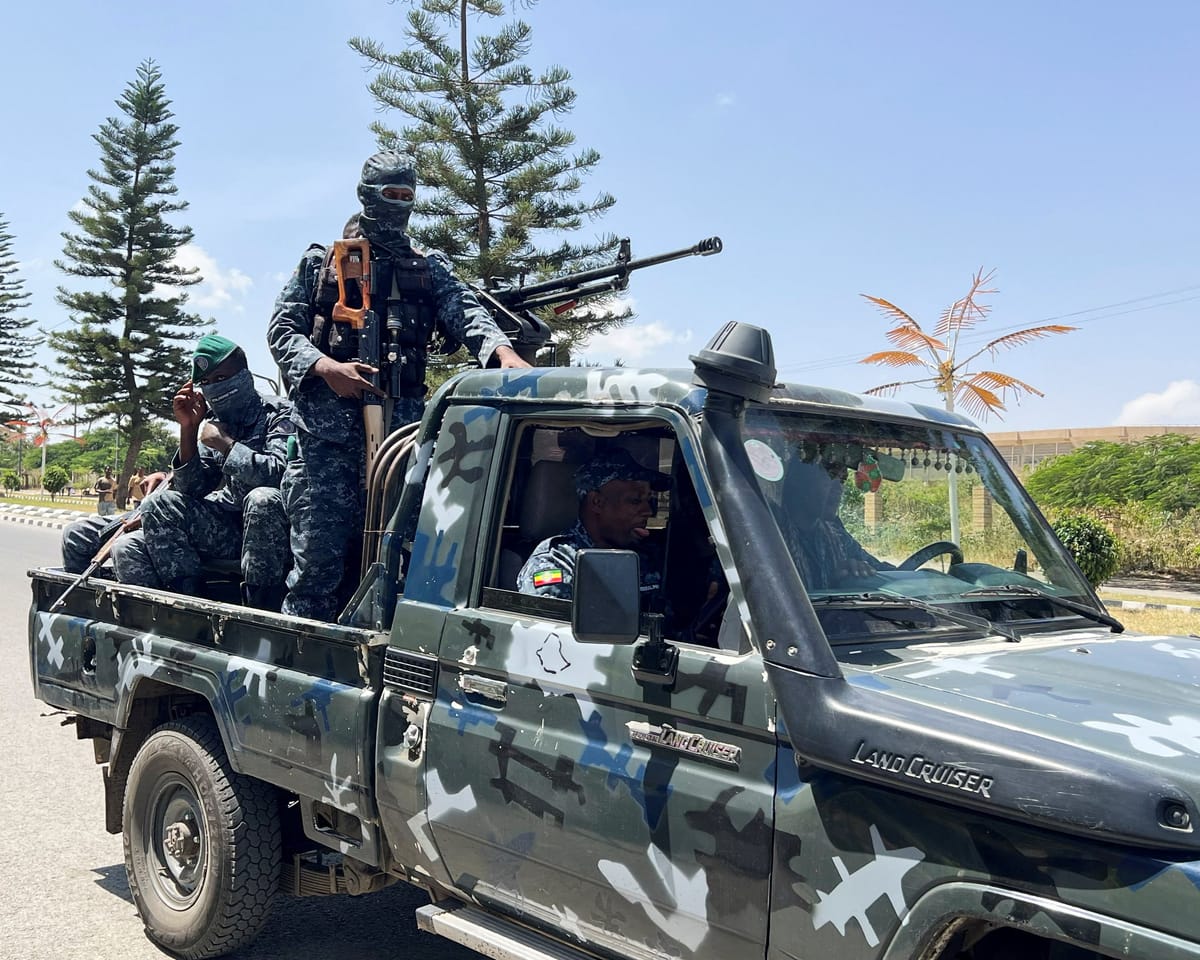
Eritrean forces reportedly crossed into Ethiopia's Tigray region and faced drone attacks from Ethiopian government forces, raising concerns about the potential for a broader regional conflict between the two neighboring countries.
Military vehicles transporting soldiers crossed the southern border of Eritrea into Tigray on Wednesday, reaching Adigrat, approximately 25 miles south, according to civilian witnesses, a militia commander, and the conflict monitoring group ACLED. Subsequently, Eritrean troops were targeted by Ethiopian government drones on Wednesday evening and Thursday morning, as reported by ACLED.
Historically, Eritrea has had a contentious relationship with the Tigray People’s Liberation Front (TPLF), which initiated an offensive against the Ethiopian government on September 23. However, recent tensions have been influenced by Eritrea’s concerns over a potential Ethiopian invasion aimed at accessing the Red Sea.
Over the past two weeks, the TPLF, along with six other armed groups in Ethiopia, has engaged the government forces in Tigray and the neighboring regions of Amhara and Afar. Ethiopian military efforts pushed back the opposition, and an allied militia, the Tigray Peace Force, seized control of Tigray’s regional capital, Mekelle, on October 4, following the TPLF's withdrawal.
Eritrea’s information minister, Yemane Ghebremeskel, declined to address specific allegations regarding the presence of Eritrean troops in Ethiopia in a statement, neither confirming nor denying the reports.
Ethiopia's foreign ministry issued a statement on Monday, emphasizing its readiness to defend its sovereignty and territorial integrity. The ministry urged regional actors to tackle shared challenges through dialogue and cooperation, rather than confrontation.
The TPLF and Ethiopia's government were previously embroiled in a civil war from 2020 to 2022, resulting in the deaths of between 300,000 and 800,000 civilians, according to British government estimates. Allegations of war crimes were directed at both sides and their allies.
Eritrea had previously supported Ethiopia during this conflict, following a reconciliation between the two nations in 2018. This rapprochement contributed to Ethiopia’s Prime Minister Abiy Ahmed receiving the 2019 Nobel Peace Prize.
Despite Eritrea gaining independence from Ethiopia in 1993, tensions have flared recently, exacerbated by Ethiopia's expressed need for Red Sea access. State media has suggested Ethiopia's historical claims to the Eritrean port of Assab. The US-Israeli conflict with Iran, impacting shipping through the Strait of Hormuz, has intensified the importance of Red Sea access.
Ethiopia's foreign ministry noted that discussions on regional maritime affairs must consider Ethiopia’s interests and historical connection to the Red Sea.
Yemane, in a post on X, claimed Ethiopia is preparing for an aggressive campaign to secure what it calls "sovereign access to the sea," framing it as self-defense.
Magnus Taylor, a deputy director at the think tank Crisis Group, expressed concern that Ethiopia might simultaneously address its regional issues by invading Eritrea and altering the status quo in Tigray.
The impact of recent conflicts on Tigrayan civilians remains uncertain, with reports indicating the TPLF's recruitment of boys as young as 15 into their ranks.
According to ACLED Ethiopia analyst Jalale Getachew Birru, civilians in Tigray, Amhara, and Afar regions have only recently begun to recover from previous violence, which had been paused by a peace agreement in 2022.
Read next
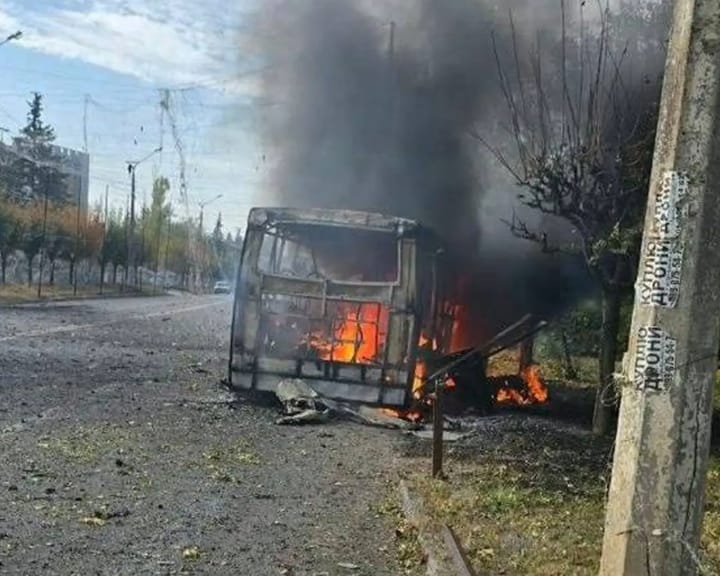
Russian Assault on Buses Near Ukraine Border Results in 30 Deaths
Thirty people have been killed and eighteen injured following an attack by Russia on two passenger buses in Kramatorsk, near the frontline in eastern Ukraine, according to local authorities.
The Donetsk regional prosecutor's office reported that the death toll from the morning attack on the buses had reached

Israel Advances Film Resembling NAZA Documentary
The Israeli government is promoting an online film project designed to counter the findings of the award-winning documentary NAZA, which details Israel’s mass killings of civilians in Gaza. NAZA, directed by Oscar-winning filmmakers Yuval Abraham and Rachel Szor, is currently in cinemas and will be shown in
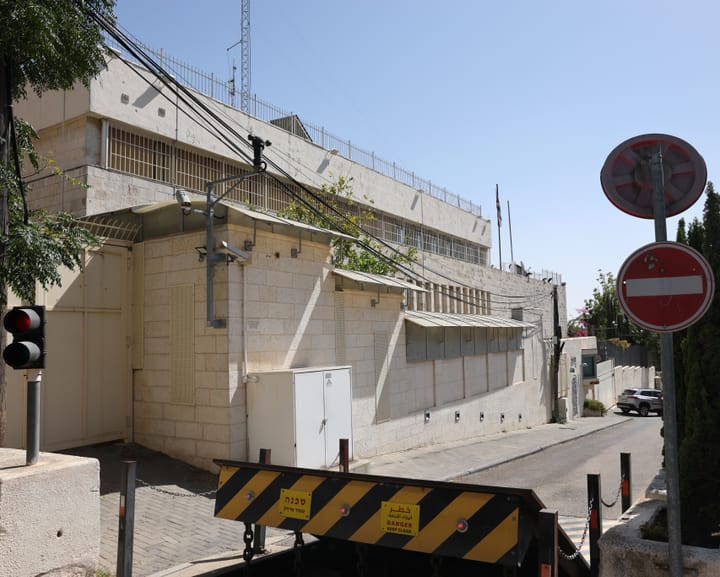
Israel's Reduction of UK Consulate Role Seeks Greater Control Over Jerusalem
Israel's attempt to close the British consulate general in Jerusalem was aimed at preventing London from imposing sanctions on settlements in occupied Palestine. However, it also aligned with the current government's objective to fully annex Jerusalem as a national capital, according to diplomatic and legal experts.