
A Brazilian rancher has been ordered to pay over $50 million (£39m) for causing damage to part of the Amazon rainforest and is required to restore its role as a carbon sink. This decision came from a federal court in Brazil, which froze the assets of Dirceu Kruger to settle the compensation owed due to his involvement in illegal deforestation activities.
The case was initiated by the attorney general's office on behinas representation of Ibama, making it one of the largest civil cases for climate damage in Brazil thus far and marking a new step towards mitigating harm to the rainforest. Kruger had previously been ordered by Ibama to pay damages for destroying approximately 5,600 hectares (13,838 acres) in Amazonian municipalities of Boca do Acre and Lábrea on public land owned by the federal government and state of Amazonas.
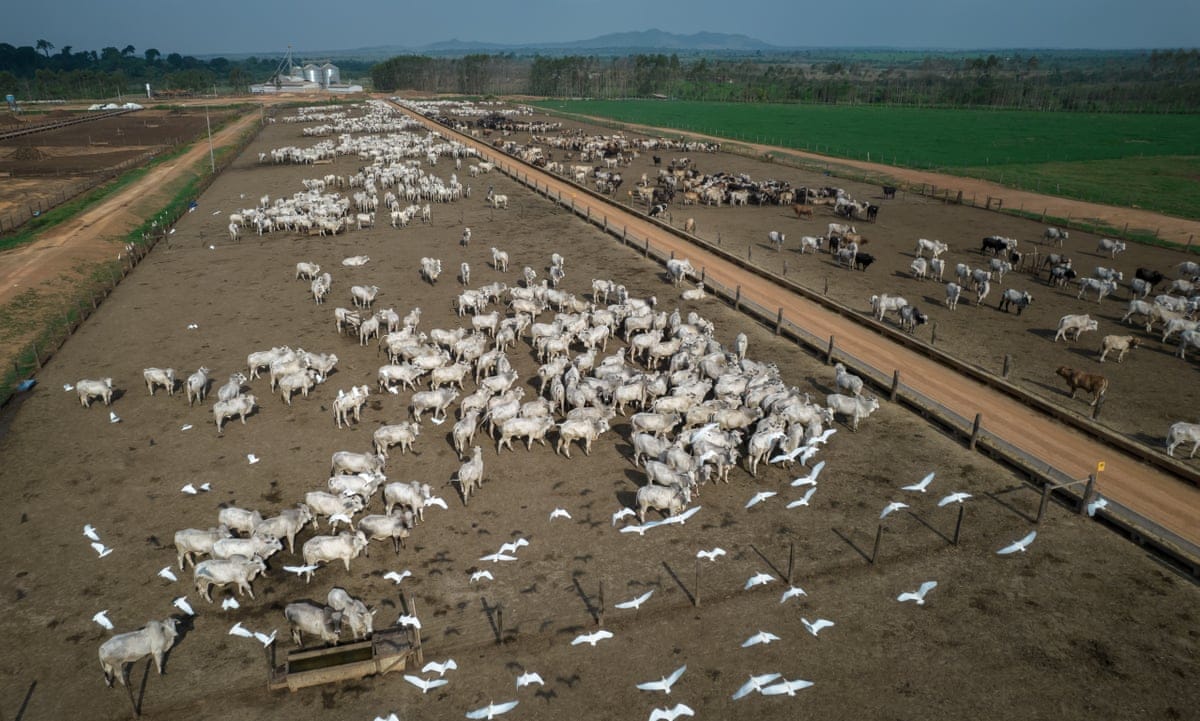
For deforestation, Kruger utilized chainsaws to clear vegetation and subsequently set fires for land clearing before establishing cattle pasture with grass planting. Satellite imagery confirmed the extent of the destruction, which Kruger admitted in a recorded video.
The Amazon rainforest plays an essential role in the global climate system but faces significant threats from both legal and illegal activities; recent studies suggest that half of it could reach a tipping point by 2050 if no action is taken.
The attorney general's office argued that Kruger's actions negatively impacted the climate through two primary mechanisms: greenhouse gas emissions from burning vegetation and loss of carbon-absorbing capabilities due to deforestation. Satellite images indicated an average emission rate of approximately 161 tonnes of carbon per hectare, resulting in a total damage estimate of around 901,600 tonnes.
The court valued the environmental damage at €60 ($65/£50) per tonne, a figure based on average social costs estimated by agencies such as the US Environmental Protection Agency and Organization for Economic Cooperation and Development (OECD). However, more recent estimates indicate higher values. The total compensation amounted to 292 million Brazilian reais ($50m), which will be directed towards a national climate emergency fund.
Kruger's assets have been frozen, and he is prohibited from receiving government funds or tax benefits. He is also banned from selling cattle and agricultural products while restricted in purchasing machinery that could further harm the environment, such as chainsaws and tractors. Additionally, Kruger must work towards restoring the degraded land to its original carbon-absorbing capacity.
This case represents Brazil's attorney general office's first major action against climate damage caused by rainforest destruction and signals a series of future initiatives aimed at repairing environmental harm across all biomes in the country. Mariana Cirne, from the national prosecutor's office for climate and environment defense, emphasized that holding individuals accountable for their greenhouse gas emissions is crucial to meeting Brazil's emission reduction goals and addressing the adverse impacts of climate change on vulnerable populations.
Furthermore, similar legal actions are in progress against other entities implicated in illegal deforestation activities. According to Rafaelela Santos Martins da Rosa, a federal judge and author of an upcoming book on Brazil's climate litigation landscape, courts within the country increasingly acknowledge that every action resulting in greenhouse gas emissions or loss of carbon sinks contributes to the cumulative impact on the environment.
Da Rosa suggests that recognizing environmental damage and assigning monetary values to such actions can deter future illegal activities by individuals and businesses alike, including those involved in legal deforestation practices.
Read next
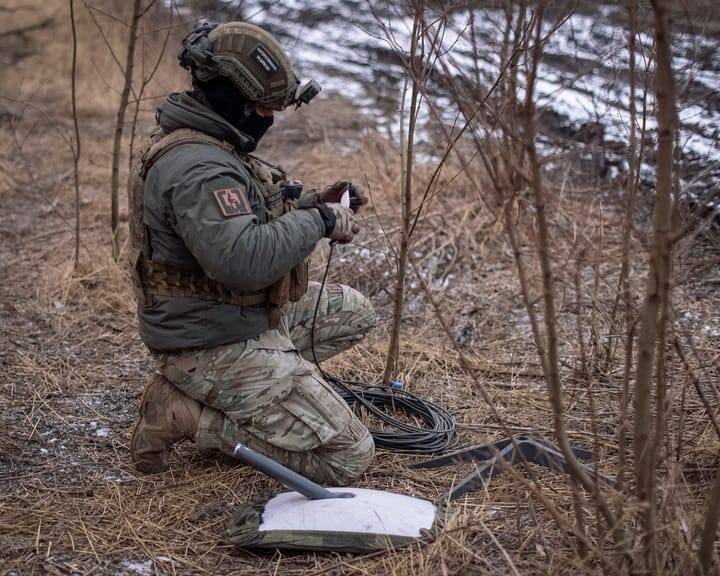
Ukrainian combat troops gain restricted access to Starlink satellite internet
Ukrainian soldiers experienced a sudden disruption in their access to Starlink satellite internet terminals amid increased pressure from the Trump administration for Ukraine to cease long-range attacks on Russia’s oil infrastructure. These terminals, managed by Elon Musk’s SpaceX, are vital for Ukraine's military operations. The

Russia's latest Ukraine attacks show 'disrespect' towards US, says Zelenskyy — Europe live
Sikorski Confronts Musk Over Starlink in Ukraine
Poland’s Foreign Minister Radosław Sikorski recently addressed Elon Musk on X, questioning reported restrictions on Starlink services in Ukraine. Poland contributes significantly to Ukraine’s funding of Starlink, which is crucial for maintaining internet connectivity in Kyiv and its military operations, with

"Breaking Stigma: Nikita Jager's Triumph in Civil Rape Case Against Conor McGregor"
Nikita Hand faced a challenging decision when considering a civil case against Conor McGregor following a 2018 assault. Despite her personal reservations about being an "imperfect victim" due to alcohol and drug use on the night of the incident, she chose to proceed. This decision stemmed from her