
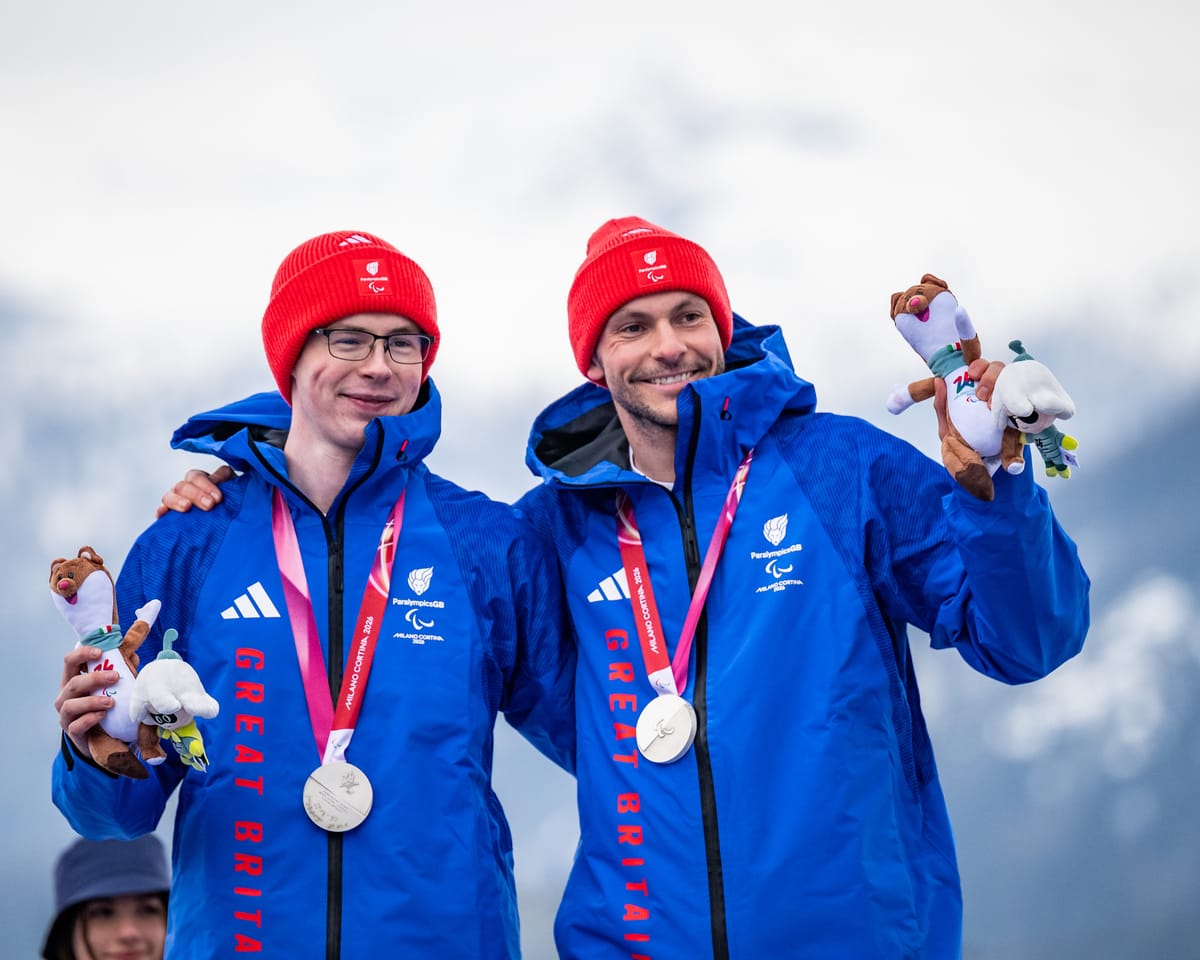
UK Sport plans to increase its performance targets for the upcoming Winter Paralympics following Great Britain's return from Milan‑Cortina with just one silver medal.
ParalympicsGB missed a lowered goal of two to five medals in Italy, with Neil Simpson the sole medalist after securing second place in the men’s visually impaired alpine combined event. On Sunday Simpson failed to complete either run of the VI slalom, ending any prospect of additional medals.
UK Sport allocates public funding for Olympic and Paralympic sport, and its performance director, Dr Kate Baker, noted that several performances at the Games were commendable. She added that the future direction of the British winter Paralympic programme would also need to be examined.
“I do not believe we can be disappointed in this group, but we are all committed to delivering results at the 2030 Games,” Baker said. “Results provide the basis for the other work we are undertaking.”
When asked whether UK Sport would adopt a higher medal target for the 2030 Games in the French Alps, Baker replied affirmatively.
UK Sport will commence a review expected to finish by summer. “We remain committed to winter Paralympic sport,” Baker said, “but it must be managed efficiently and effectively.”
Baker expressed uncertainty about Britain’s ability to compete in certain winter Paralympic disciplines, notably the Nordic events of cross‑country skiing and biathlon. These two sports account for a third of the winter programme, yet only one British athlete, Scott Meenagh, qualified and his best result was 14th place across four events.
“Disciplines such as slalom and curling can be practiced in the UK,” Baker noted. “They can be trained on dry slopes or modest hills. We must be realistic about our prospects beyond those areas. Access to snow remains difficult, partly due to Schengen regulations and climate change. Nevertheless, snow training is essential; without it we cannot develop a broad pool of athletes who meet classification requirements and possess the necessary physiology for success.”
ParalympicsGB’s chef de mission for the winter games, Phil Smith, described the results as “clearly challenging” but said there are reasons for optimism ahead of 2030. “I still see many positives that we can build on,” he said. “With a bit more luck, we could have been near the middle of our target this week.”
“I don’t think we need to completely start fresh, but I do think there’s some areas that the sport will need to look at."
Read next
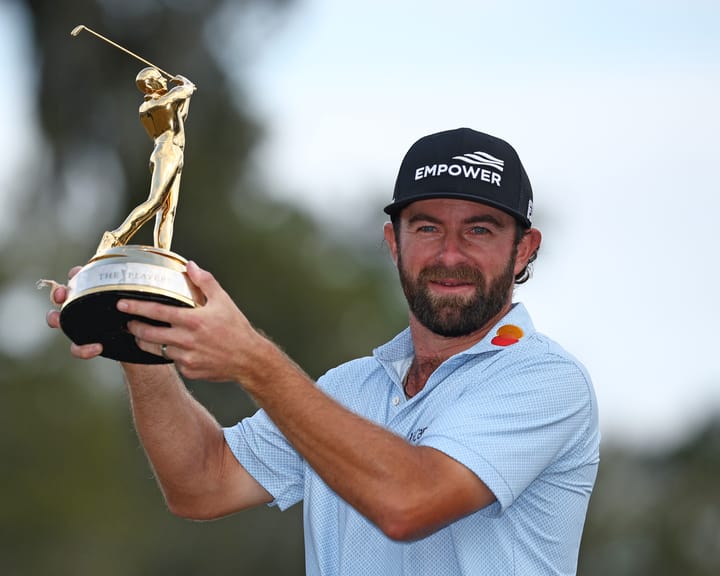
Cameron Young clinches Players Championship, edging out Matt Fitzpatrick on the final hole.
The PGA Tour may have fallen short in the court of public opinion regarding the Players Championship’s status as a major. Yet the drama that unfolded as dusk fell on this Sawgrass Sunday distinguished the event from the rest.
The showdown boiled down to Cameron Young against Matt Fitzpatrick.
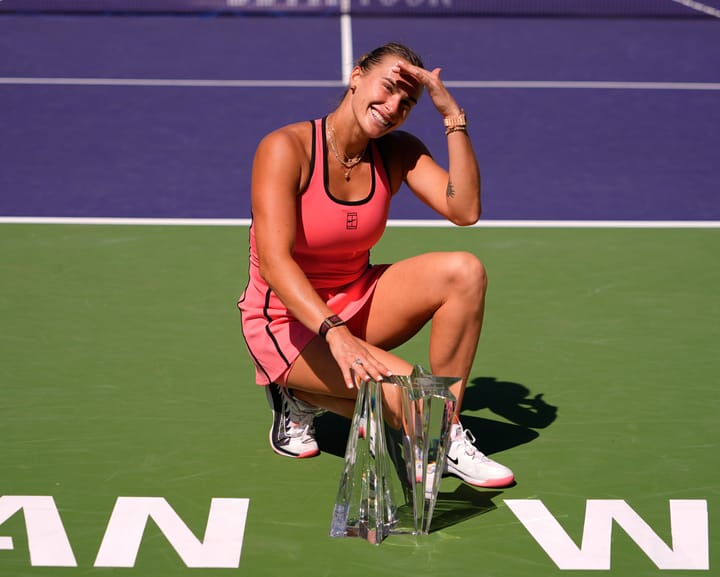
Sabalenka snaps losing streak, beats Rybakina to claim Indian Wells title
Aryna Sabalenka halted her run of defeats to Elena Rybakina in a dramatic Indian Wells showdown on Sunday.
The top‑ranked player had previously bested Rybakina to claim her first Grand Slam crown at the 2023 Australian Open, yet she had since fallen in four consecutive finals against the Kazakh,
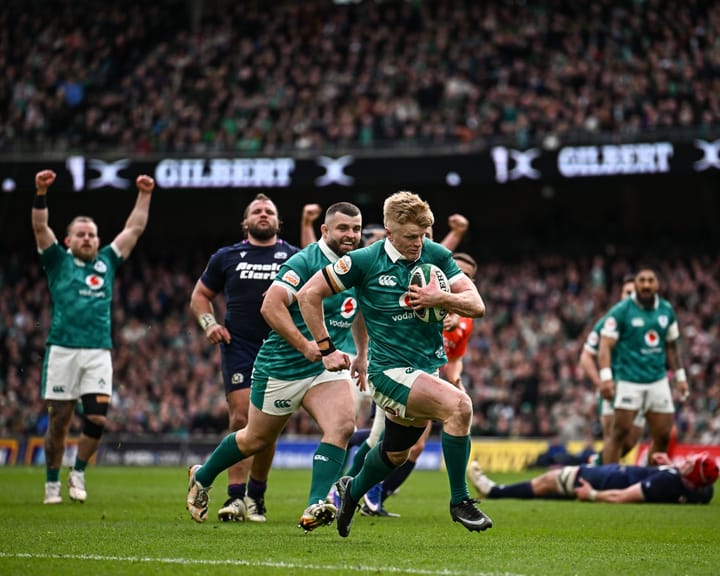
Townsend faces the usual narrative as Ireland's green energy outshines Scotland.
Some Irish supporters even admitted they would not resent a Scottish win, the triple crown and, perhaps, a maiden Six Nations triumph. There was a feeling that Gregor Townsend’s men had finally earned their moment in the spotlight, especially after the impressive fourth‑round victory over France. And this