
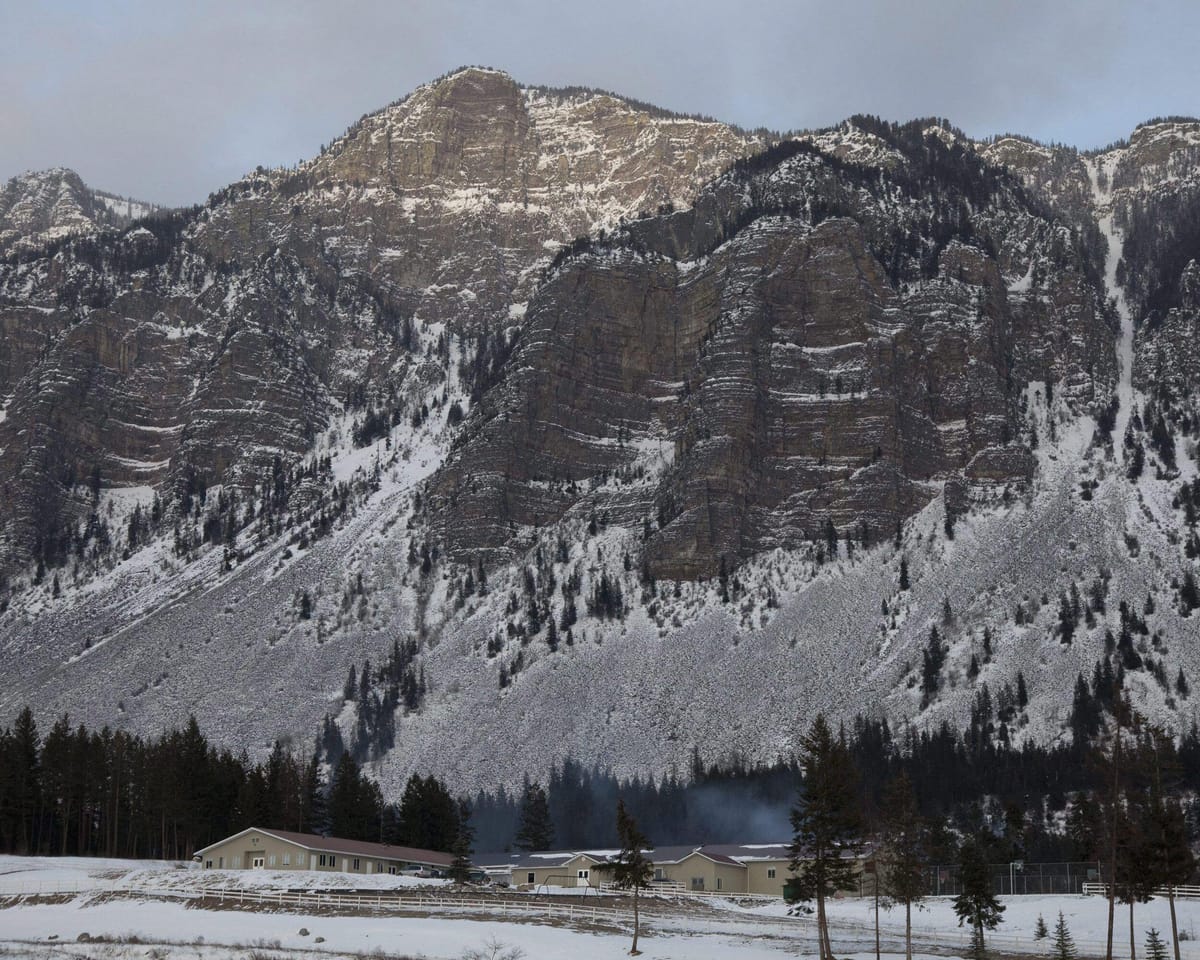
Since 1918, the clocks in Creston, a community in eastern British Columbia, have run an hour ahead of neighboring towns for half the year. For the remaining six months they fell back into alignment—not because the town altered them, but because its neighbours switched back and forth with daylight‑saving time.
Creston was a rarity: a settlement that effectively operated its own time zone. Yet when most of the province moves its clocks forward on Sunday, it will be the final adjustment, permanently linking the rest of BC with Creston for the first time in almost seven decades.
Last week, British Columbia disclosed plans to establish a Pacific time zone, a move that mirrors a widespread aversion to clock changes and a growing strain in relations with the United States. The province added that, although it will adopt the new Pacific zone, municipalities may retain the right to select their own zones, opening the door to additional “time‑zone islands” such as Creston.
“We’re done waiting. British Columbia will shift our clocks one more time – and then never again,” Premier David Eby told reporters, adding that he hopes “our American neighbours” will follow suit. The change aligns BC with the Yukon territory to the north.
In 2019, public consultations showed that 93 % of respondents favored permanent daylight‑saving time. Nevertheless, BC continued to adjust its clocks to stay in step with the United States and to ease cross‑border commerce and travel.
When announcing the policy, the province referenced “recent actions” by its southern neighbour, a likely nod to the ongoing trade dispute and sovereignty concerns raised during the Trump administration.
Provincial officials say the shift will provide “more usable daylight in winter evenings” and lessen “administrative burdens” across large parts of the province.
The Peace region in northern BC, which previously observed Mountain Standard Time year‑round, will now share the same time as most of British Columbia under the new zone. Earlier, the area aligned with Alberta in winter and fell an hour behind in summer.
The new arrangement means other mountain communities that observe Mountain Time but alternate between standard and daylight‑saving time will match the rest of the province in winter, while remaining an hour ahead during summer.
Those towns could still change – either collectively or individually, as Creston once did.
“Just as today, local governments will keep the authority to decide which time zone they follow,” the government said. “They may opt for permanent daylight time and Pacific time, along with the rest of BC, if they wish.”
“The feedback we’ve received from the public … is that people want to be on the same time as the rest of British Columbia,” Cranbrook mayor Wayne Price told CBC News.
Read next
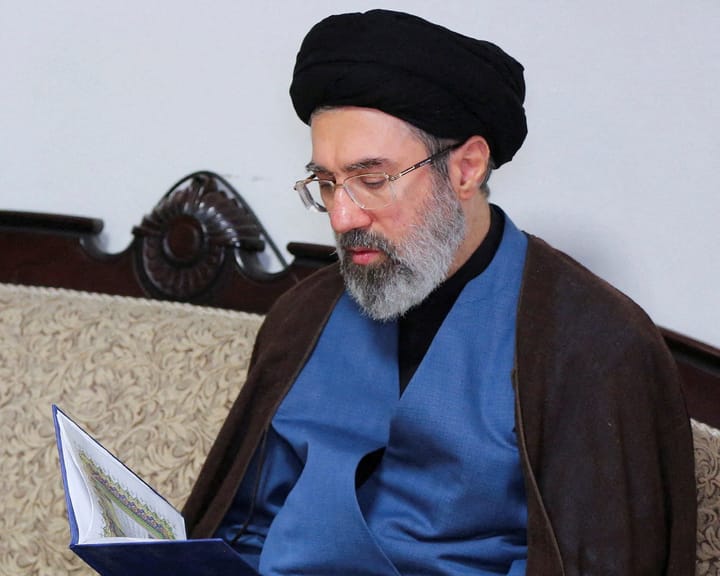
Live Middle East crisis: Mojtaba Khamenei appointed Iran’s new supreme leader; oil prices surge past $100 a barrel
Trump says decision on ending war will be ‘mutual’ with Netanyahu
Donald Trump told the Times of Israel that the timing of a cease‑fire with Iran will be decided jointly with Israeli Prime Minister Benjamin Netanyahu.
In a brief phone interview on Sunday, Trump added that Iran would have
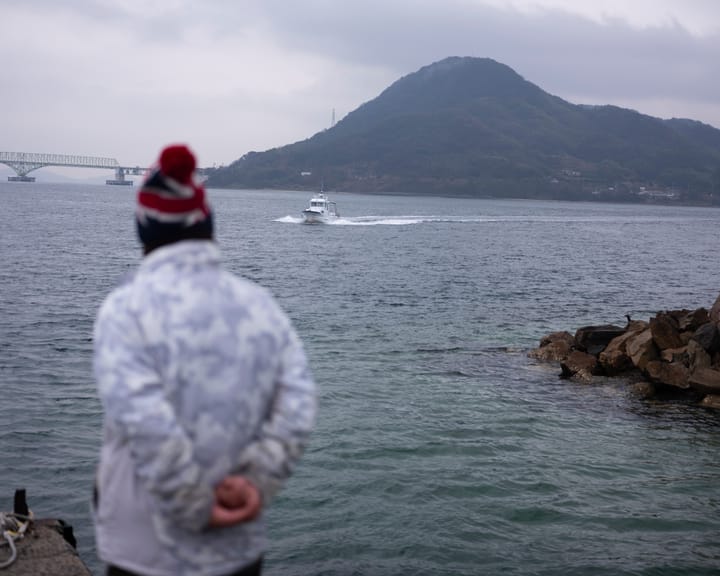
Japan's partially deserted island at the center of tensions with China
His island residence is cloaked in mist, yet his Union‑Jack knit cap makes Hideya Yagi easy to spot as he welcomes the incoming boat. The 80‑year‑old former construction‑company president is glad to see the handful of passengers step ashore, largely because he is one of only
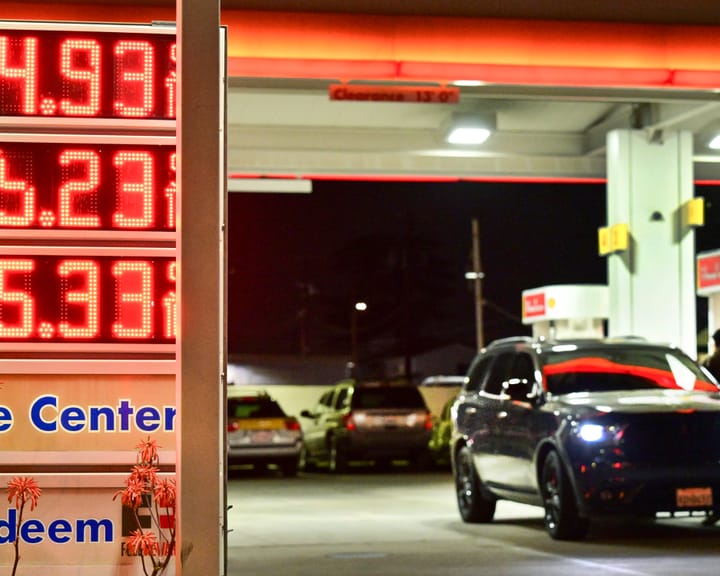
White House concerned as gas prices rise amid US‑Israel conflict with Iran
Across the United States, the typical price for a gallon of regular gasoline rose by almost 27 cents in a single week, reaching $3.25, and shoppers are preparing for further pump price increases as the US‑Israel clash with Iran threatens to disturb the world oil market.
The concern