
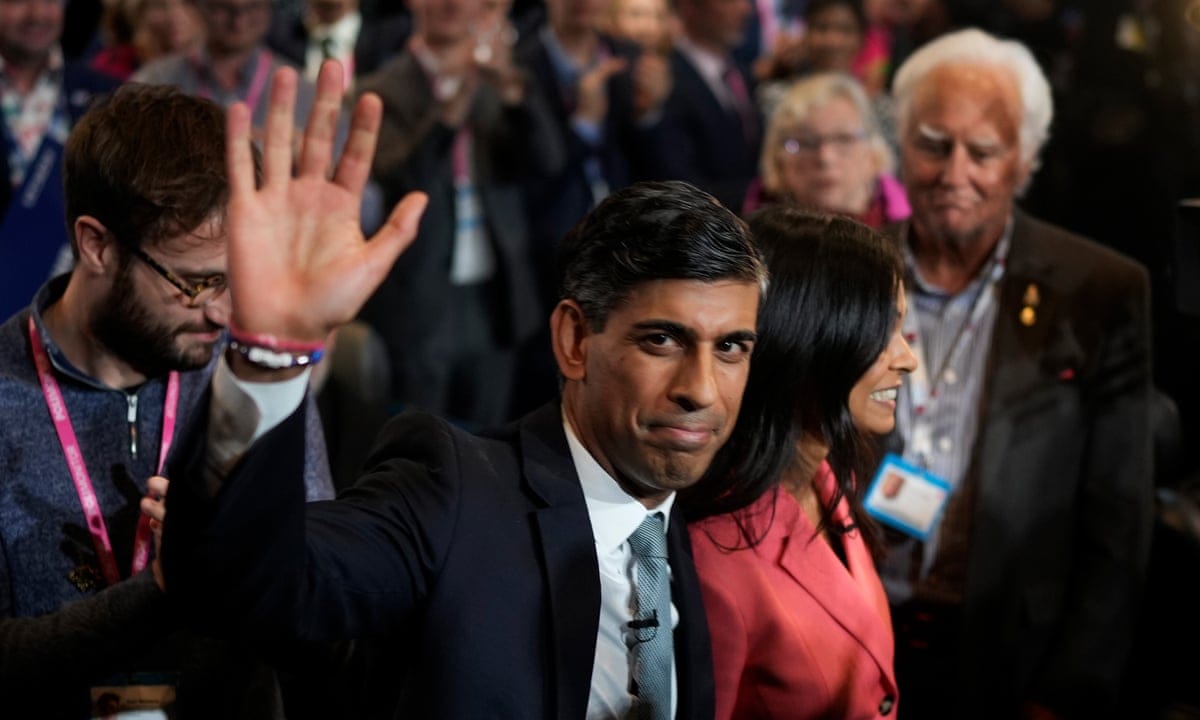
Business leaders are anticipating lower attendance at this year's Conservative conference than ever before, potentially impacting its fundraising efforts. The annual event set to occur from 29 September to 2 October has historically drawn corporate participants willing to invest large sums to engage with influential MPs and policy-shapers.
However, Labour's decisive victory in the recent general election could mean this year's conference is expected to have its least enthusiastic business representation of all time, according to numerous public affairs firms and industry experts. The event may not be as well attended by corporate figures compared to previous Conservative conferences or Labour gatherings.
"The lack of interest among the business sector for the Tory party conference is no doubt influenced by both the attractiveness of Labour, and an acknowledgement that the Conservative party seems at a crucial turning point," commented Katherine Morgan, head of public affairs for Europe at global consultancy firm DGA.
The challenge now lies with the Conservatives to make this September the start of their journey towards re-establishing themselves as 'the business party'.
Several large agencies have reportedly cancelled dinners they were due to host at the conference or reduced their attendance, while one firm stated that out of its 70 clients only a single company planned to participate. Jon McLeod from DRD Partnership suggested attending in low numbers this year could help understand what direction the party might take after emerging "from the ashes."
A prominent figure within the tourism and hospitality sector said, “There isn’t much to be gained by businesses attending,” adding that reduced attendance would affect the party's financial situation.
The party charges fees for events and exhibitions; each ticket to their dedicated "business day" is priced at £3,500 while booking spaces like the Churchill Theatre cost up to £10,000. Firms wanting a stand in the exhibition hall can pay up to £55,000.
The party's most recent financial statements show that they spent £4.3m on their conference and made £6.3m, a profit of £2m, back in 2022. Fraser Raleigh from SEC Newgate believes this event can still be beneficial for political parties if it serves as an opportunity to meet future party leaders or assess the volatile nature of voter loyalty.
A representative from the Conservative Party maintained their confidence in high attendance at this year's conference, stating that there had already been significant interest with full ticket and partnership demand, and a fully booked exhibition hall.
Read next
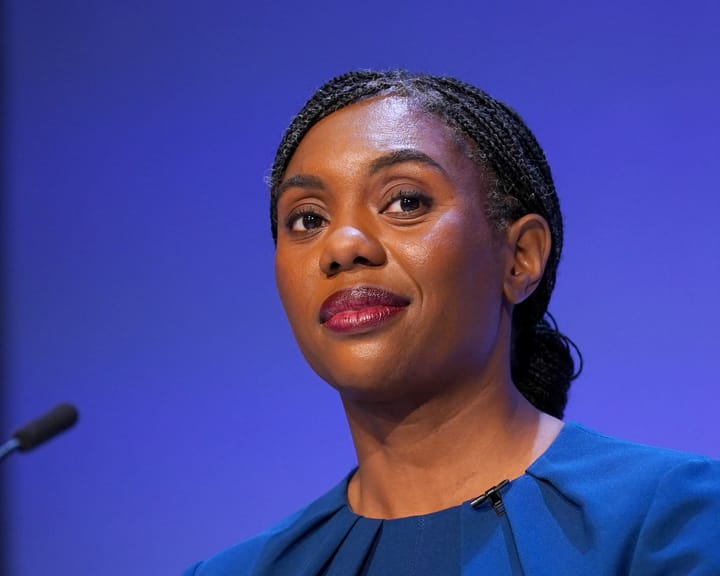
"Kemi Badenoch reshapes Tories, invoking a mix of admiration and fear"
Kemi Badenoch has been emphasizing that the Conservatives have new leadership. In a TV interview marking the end of a party conference where she was a central figure, she expanded on this notion. “Your viewers will know that sometimes you have a disappointing football team,” the Conservative leader told GB
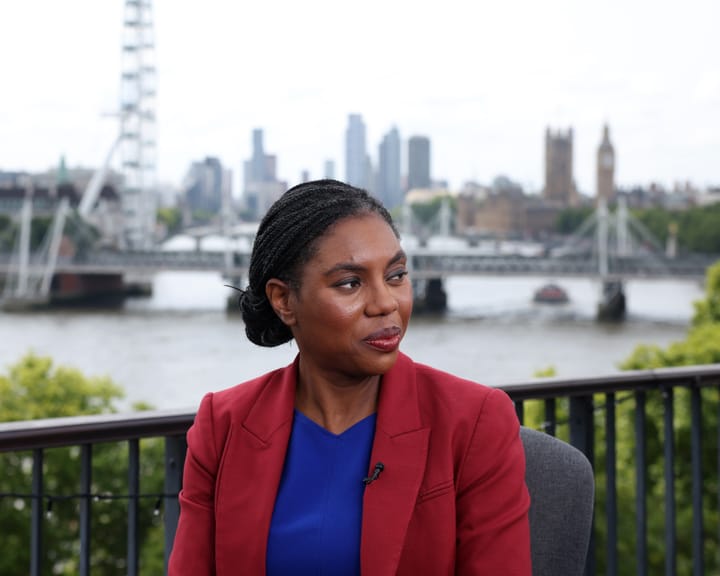
Badenoch returns to Conservative conference, markedly stronger than a year ago
A year ago, Tory MPs feared a fresh leadership revolt against Kemi Badenoch as Tories hit historic 14-16% support; November, after 12 months, was hushed: decisive challenge month. Yet, despite poor polls, “Keminisation” saw her impose style and authority.
More in Common’s Luke Tryl, director, said Badenoch holds

UK sanctions plan on illegal Israeli settlements faces criticism from US, Israel and British MPs
Today, with the agreement of Prime Minister Netanyahu, Israeli officials announced a series of countermeasures in response to new sanctions declared by the British foreign secretary of the Labour government, following a sequence of anti-Israel decisions by the same administration.
The accusations leveled today by the Labour foreign secretary,