
ByteDance Plans New Share Buyback, Valuing Firm at Over $330 Billion
ByteDance, the parent company of short-video platform TikTok, is preparing to introduce a new share buyback program for employees, valuing the Chinese tech firm at more than $330 billion, according to three individuals familiar with the matter. The move follows steady growth in revenue.
Under the buyback, employees will be offered $200.41 per share, up from $189.90 in a similar program six months ago, which had valued the company at approximately $315 billion. The latest repurchase is expected to begin in the autumn.
The higher valuation comes as ByteDance strengthens its position as the top-earning social media company globally. Its second-quarter revenue reportedly increased by 25% compared to the previous year, reaching around $48 billion. Much of this revenue originates from China, though the company continues to face political pressure to sell its U.S. operations.
The updated valuation and second-quarter revenue figures had not been disclosed previously. Sources asked not to be identified as they were not permitted to discuss the matter publicly. ByteDance did not immediately comment when contacted.
Earlier this year, ByteDance’s first-quarter revenue exceeded $43 billion, surpassing Meta, owner of Facebook and Instagram, which reported $42.3 billion in sales for the same period. Both companies maintained revenue growth above 20% in the second quarter.
ByteDance conducts buybacks for employees twice a year, allowing staff at the privately held firm to sell portions of their shares. The program highlights the company’s financial resilience amid expanding operations in China and abroad.
Regular share repurchases have become a common strategy for late-stage private firms to offer liquidity to employees without pursuing a public listing. While companies like SpaceX and OpenAI rely on investor funds for such programs, ByteDance finances its buybacks independently, reflecting strong financial health.
The company is also recognized as a key player in China’s artificial intelligence sector, investing heavily in Nvidia chips, AI infrastructure, and model development.
TikTok Divestment Challenges
Despite surpassing Meta in revenue this year, ByteDance’s valuation remains less than one-fifth of Meta’s $1.9 trillion market cap. Analysts attribute this gap largely to U.S. political and regulatory risks.
In the U.S., lawmakers have pressed ByteDance over national security concerns due to its Chinese ownership. Last year, Congress passed legislation requiring the company to divest TikTok’s U.S. assets by January 19, 2025, or face a nationwide ban. The app currently has 170 million American users.
Donald Trump had previously granted TikTok extensions on divestment deadlines, most recently postponing the deadline to September 17.
Read next
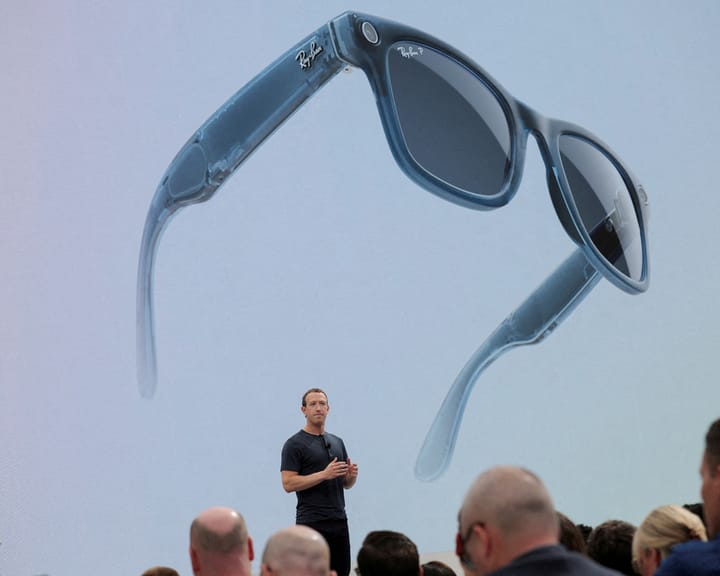
US officers worry Meta smart glasses could covertly record them
In January, the NYPD’s counterterrorism unit warned officers about a new security threat: Ray-Ban Meta glasses. A memo directed officers to “conduct thorough inspections of all eyewear permitted within inmate cells,” cautioning that recently arrested individuals could use the devices’ small cameras and microphones to record inside police
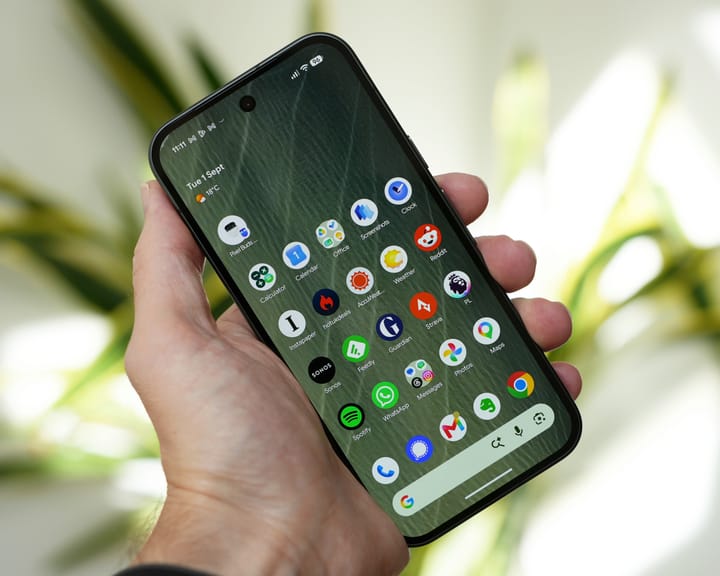
Google's Pixel 11 sets new standard for flagship phones, review finds
Google’s Pixel 11 continues to define what a base flagship phone should deliver, with leading cameras, extended software support and nearly all the features of its pricier siblings.
The standard Pixel 11 is priced at £879 (€999/$899/A$1,499), £80 higher than its previous version, reflecting ongoing

AI Expert Father of Three Shares Essential Insights for Parents on Artificial Intelligence
A father once promised his child they would write a story together called "The Day Nobody Went to Disneyland." The plot imagined a perfect day when the entire world avoided the park, expecting crowds, leaving it completely empty for a father and child to enjoy alone. Three decades