

Planes grounded, trains delayed, television stations off air, hospital appointments cancelled, electronic payments halted. No, it wasn't the start of a massive cyber-attack from Russia or the backdrop to a Hollywood blockbuster; rather, an IT upgrade gone wrong resulted in widespread disruption across various sectors.
The extent of the impact is a testament to Microsoft’s Windows operating system and its ubiquitous presence globally. The issue stemmed from a faulty software update released by security company CrowdStrike, which affected their Falcon system widely used for anti-virus protection.
Such updates are typically automated, designed to be unobtrusive; however, when an upgrade introduces complications, it can trigger a domino effect of challenges across different organizations and industries. The disruption caused by this particular update led to significant questions about how swiftly those impacted could recover from the setbacks.
The immediate concern is for flights to resume; however, smaller businesses may face long-lasting effects. Health service providers in the UK are now grappling with managing missed appointments due to hospital delays. The true cost of these disruptions will take time to fully understand and quantify.
In an ironic twist, this IT mishap occurred just days after a report highlighted that Britain's planning for pandemics fell short. Criticisms arose over the UK government’s lack of preparation and allegations of "groupthink" among ministers and officials, as detailed in the 240-page Hallett report.
Experts argue this incident offers an opportunity to incorporate discussions on information technology into national resilience planning. The recent events raise concerns about how effectively organizations manage technology risk and whether they are equipped to handle such crises proactively.
The root cause of the chaos was human error, although investigations continue to determine any potential malicious intent behind it. This isn't an isolated incident; in 2020, cyberattacks from Russian hackers compromised software updates for network management systems and gained unauthorized access into US government departments, including the Pentagon and Treasury.
While a full-scale cyber conflict with Russia is deemed unlikely, this event highlights ongoing vulnerabilities in digital infrastructure that could be exploited more destructively if not properly addressed.
Cyberattacks have targeted Ukraine repeatedly since its invasion began in February 2022. A significant incident occurred last December when Kyivstar's telecommunications operations were crippled due to a malicious virus, believed to have been planted months earlier by hackers. These attacks underscore the global nature of cyber threats and their ability to cross national borders, as seen in previous incidents like NotPetya in 2017, which caused widespread disruption beyond Ukraine's borders.
As organizations strive to recover from these setbacks, there remains an underlying concern about the recurrence of similar software disasters, whether intentional or unintentional. Such incidents emphasize the complexity and interconnectedness of modern technological systems while highlighting the need for robust measures to safeguard against future vulnerabilities.
Read next
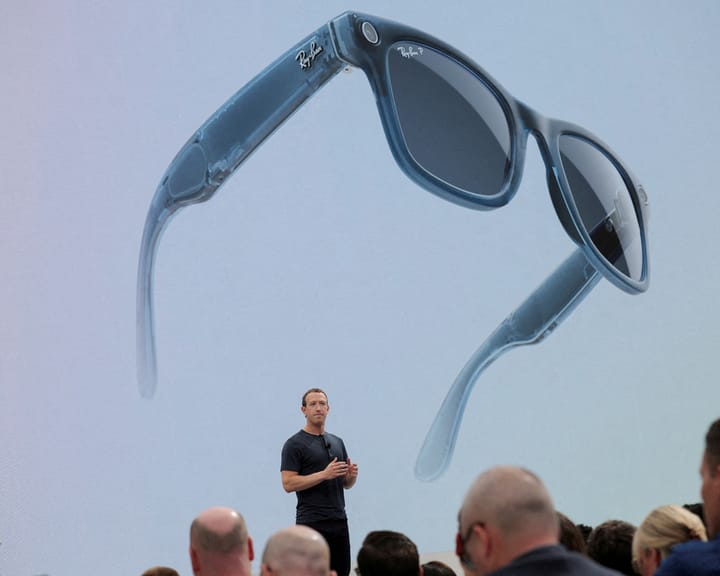
US officers worry Meta smart glasses could covertly record them
In January, the NYPD’s counterterrorism unit warned officers about a new security threat: Ray-Ban Meta glasses. A memo directed officers to “conduct thorough inspections of all eyewear permitted within inmate cells,” cautioning that recently arrested individuals could use the devices’ small cameras and microphones to record inside police

Google's Pixel 11 sets new standard for flagship phones, review finds
Google’s Pixel 11 continues to define what a base flagship phone should deliver, with leading cameras, extended software support and nearly all the features of its pricier siblings.
The standard Pixel 11 is priced at £879 (€999/$899/A$1,499), £80 higher than its previous version, reflecting ongoing

AI Expert Father of Three Shares Essential Insights for Parents on Artificial Intelligence
A father once promised his child they would write a story together called "The Day Nobody Went to Disneyland." The plot imagined a perfect day when the entire world avoided the park, expecting crowds, leaving it completely empty for a father and child to enjoy alone. Three decades