
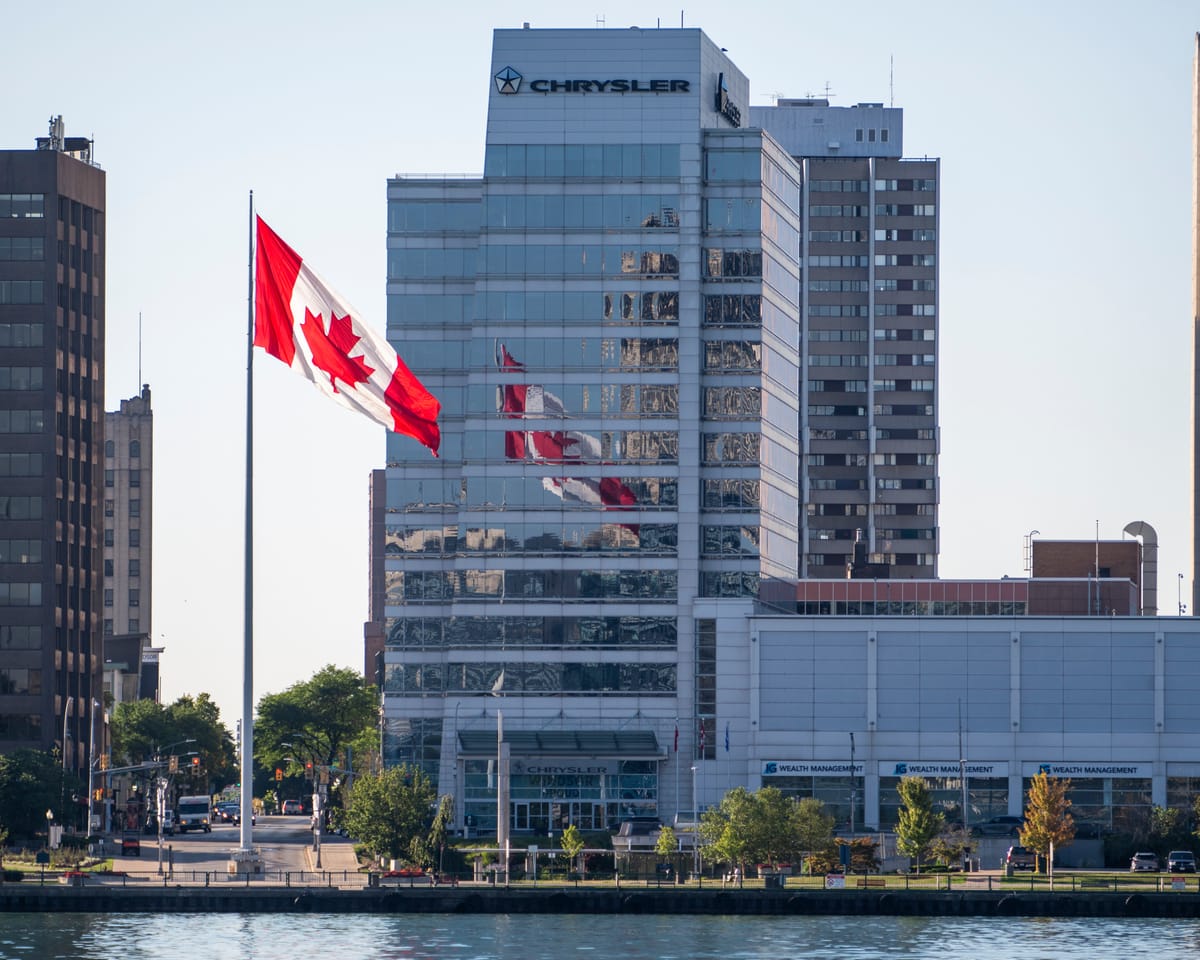
Canada’s retaliatory tariffs on about $20 billion worth of American imports took effect at 12.01am on Tuesday, ranging from 15% to 50% and applying to steel, dairy, appliances, agricultural equipment, pulp and paper, and electronics. The measures, a response to the United States’ 50% tariff on $20 billion of Canadian goods effective August 22, exclude goods already in transit to Canada.
Last month, President Donald Trump imposed a new 50% tariff on cars and raw materials from Canada, accusing the country of “ripping off” the US “for years.” The tariffs target items including hockey sticks and cement, affecting roughly 5.5% of Canadian exports to the US.
Trade tensions have intensified, with Prime Minister Mark Carney urging the Trump administration to “start being serious” as the dispute spills into broader diplomatic conflicts. Trump and senior US officials have repeatedly criticized Canada, and on Monday Trump signed an executive order renaming Lake Ontario “Lake America,” a move rejected in Canada.
Trump also threatened to block sales of Quebec-based plane maker Bombardier Aviation in the US unless the company moves manufacturing stateside. Posting on his Truth Social platform in all caps, Trump wrote “No more selling Bombardier in the United States!” Currently, thousands of Bombardier aircraft operate in US airline fleets. The company says it creates “tens of thousands of jobs across the United States,” with direct employment in more than 20 states and annual spending of more than $2.5 billion with about 2,800 American companies across 47 states.
Negotiations collapsed on August 21 after days of talks in Washington, with Carney stating the Trump administration’s terms were ultimately unacceptable and that US negotiators introduced restrictions on Canadian trade deals with other countries at the 11th hour. US officials also made unacceptable “threats” to the French language and “Quebec culture,” Carney said, adding that American negotiators viewed the measures as an “irritant,” while “in Quebec, these are rights.”
Jamieson Greer, the US trade official, later noted the government was aware that French language protections were sensitive and important, saying “this is not something where we push hard, or condition, or red-line.”
Polls show Carney has broad support from Canadians, but it could disappear within months as the consequences of the trade war sink in, according to political analysts. A Reuters/Ipsos poll found just 20% of Americans approved of Trump’s tariffs on Canadian goods. Carney said last week his government was ready to sign a trade deal benefiting both countries, but US media reports indicate no ongoing negotiations currently exist between the two sides.
With Agence France-Presse and Reuters.
Read next

Tokyo tourist hotspot outlaws short-term rentals amid complaint surge
Shinjuku Ward, Tokyo, has moved to ban short-term rental accommodations in residential areas and near schools and important cultural sites, following a slew of complaints about visitor behaviour. The decision, to be enacted through a local ordinance, marks the latest sign that Japan’s patience with mass tourism is

Prosecutor general resigns amid political turmoil in Kyiv during Ukraine war
Ukraine’s prosecutor general Ruslan Kravchenko resigned amid corruption accusations after anti-graft officers searched his offices at the weekend. He called the allegations “completely unsubstantiated” and denied wrongdoing. The National Anti-Corruption Bureau (NABu) and Specialised Anti-Corruption Prosecutor’s Office (Sapo) announced Saturday they uncovered a money-laundering
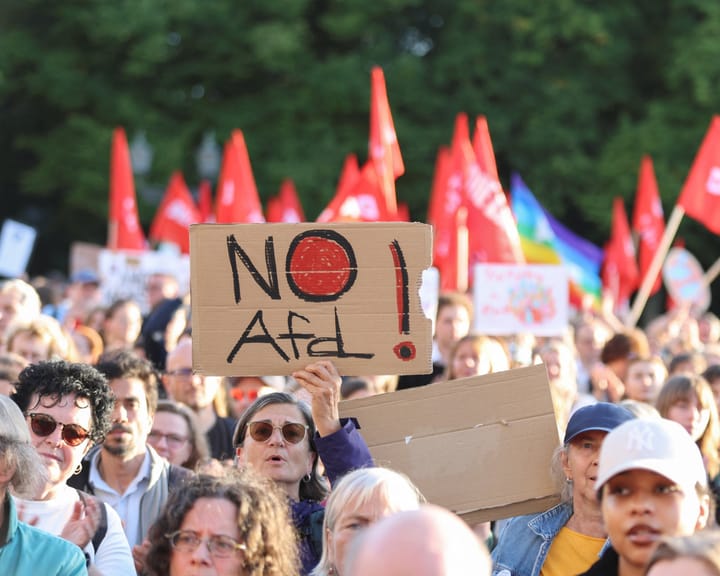
AfD's seismic triumph isn't due to Merz being on borrowed time | Jörg Lau
Shock at the far right’s Saxony-Anhalt win rippled Sunday, yet not all were unhappy. After exit polls, Donald Trump posted results on Truth Social, delighted by the CDU collapse and AfD surge.
The result humiliated Chancellor-in-waiting Friedrich Merz, whose party lost over half its seats while